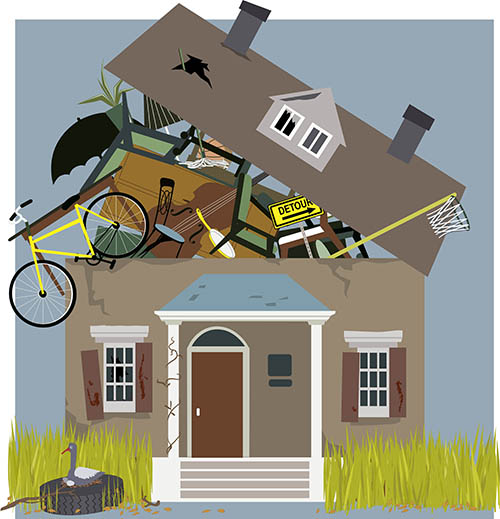
Hoarding
Biohazard Cleanup Service Clinchfield
When a biohazard situation occurs-whether from crime, unattended death, hoarding, or infectious disease-the immediate priority shifts from understanding what happened to understanding how to restore safety and integrity to your space. Econ Biohazard Services provides specialized biohazard cleanup service in Clinchfield and throughout Georgia with OSHA and EPA-compliant protocols, licensed expertise, and compassionate response that acknowledges the emotional weight of these situations while delivering thorough, professional remediation.
The challenge facing families, property managers, and business owners in these circumstances is multifaceted. Beyond the visible contamination lies a complex web of regulatory requirements, health hazards, and emotional overwhelm. Standard cleaning services lack the training, equipment, and certifications required to safely handle biohazard environments. This is where specialized providers become essential-they bridge the gap between crisis and recovery.
What Exactly Does Biohazard Cleanup Involve?
Biohazard cleanup is fundamentally different from conventional janitorial work. It encompasses the identification, safe removal, and proper disposal of blood, bodily fluids, tissue, and other potentially infectious materials (OPIM) in compliance with OSHA Bloodborne Pathogens Standards and EPA regulations. The scope depends on the specific incident-crime scenes require detailed forensic-level cleanup, unattended deaths may involve advanced decomposition requiring specialized disinfection protocols, and hoarding situations demand both biohazard remediation and structural assessment.
The analytical approach differs markedly from standard cleaning. When comparing biohazard cleanup to traditional services, the difference lies in training depth, equipment classification, and documentation. A qualified biohazard cleanup service-whether serving Clinchfield, Macon, or across Georgia-must:
- Conduct thorough site assessment and contamination mapping
- Use hospital-grade disinfectants and industrial-level PPE
- Properly segregate and dispose of regulated medical waste
- Provide detailed documentation for insurance and legal purposes
- Restore the affected area to pre-incident conditions
The data on response time shows that rapid intervention significantly improves outcomes-both for containment of secondary contamination and for families seeking to move forward. Professional services averaging 30 minutes to one hour response time can prevent cross-contamination to adjacent spaces and reduce the psychological burden of delay.
How Does Insurance Coverage Work with Professional Cleanup Services?
Insurance billing for biohazard cleanup services involves several layers of complexity that require expertise to navigate effectively. Most homeowner's and commercial property policies cover cleanup and remediation costs when the incident is tied to a covered peril-though coverage specifics vary dramatically by policy, insurer, and situation type.
When evaluating coverage options, key considerations include whether the policy covers the specific incident type, what deductibles apply, whether prior authorization is required, and how the insurer prefers claims to be documented. A provider like Econ Biohazard Services, serving Clinchfield and the broader Georgia area, typically handles communication directly with insurers on your behalf, translating technical cleanup work into insurance-friendly documentation and claims language.
Professional cleanup providers who manage insurance billing directly reduce the administrative burden on families and property managers by up to 80 percent, allowing focus to remain on recovery rather than paperwork.
The analytical reality is this: attempting to file claims independently without professional documentation often results in claim denials or significantly reduced reimbursement. A specialized biohazard cleanup service in Clinchfield understands what insurers require-photographic evidence before and after, detailed scope-of-work documentation, hazmat disposal receipts, and OSHA-compliant protocols-and provides exactly that.
What Distinguishes Professional Biohazard Cleanup from Other Remediation Services?
The distinction between a general restoration company, a hazmat contractor, and a specialized biohazard cleanup provider comes down to training, equipment, and regulatory standing. A general contractor may claim restoration expertise but lack specific bloodborne pathogen certification or proper medical waste disposal licensing. Hazmat contractors handle industrial chemical spills but may not understand the unique requirements of decomposition remediation or suicide cleanup.
A dedicated biohazard cleanup service-whether for crime scene cleanup, hoarding situations, or virus disinfection-brings forensic-level attention to detail combined with industrial hygiene expertise. They understand that different contamination types require different protocols: bacterial and viral disinfection demands specific contact times and product selections; decomposition requires enzymatic breakdown and odor remediation; hoarding cleanup requires integrated structural assessment alongside biohazard remediation.
Across Georgia, including the Macon region and surrounding areas like Clinchfield, regulations governing biohazard work remain consistent even as local resources vary. Selecting a provider with statewide operational capacity, 24/7 emergency response, and licensed expertise ensures you receive the same standard regardless of timing or location. This consistency matters when incidents occur outside business hours or in areas where local resources are limited.
The reality families and property managers face is this: investing in professional cleanup services eliminates legal liability, ensures regulatory compliance, reduces disease transmission risk, and provides documented proof of proper remediation. These outcomes extend far beyond surface cleanliness-they provide concrete evidence of responsible action and enable insurance recovery, which matters significantly when managing incident costs.
Frequently Asked Questions
How quickly can biohazard cleanup service arrive in Clinchfield?
Professional biohazard cleanup providers with 24/7 emergency response capabilities typically arrive within 30 minutes to one hour of the initial call, even in smaller communities like Clinchfield. Rapid response prevents cross-contamination to adjacent areas and reduces the duration of property unavailability, which is critical for both residential and commercial situations.
Do I need to be present during biohazard cleanup service?
It is not necessary or recommended for family members to be present during cleanup operations. The professional team will coordinate access, conduct the remediation, and provide documentation-allowing you to focus on immediate needs and emotional recovery without exposure to ongoing work. Property managers or authorized representatives can coordinate access details.
Will my insurance cover biohazard cleanup costs?
Most homeowner's and commercial property insurance policies cover cleanup costs when tied to covered incidents, though coverage varies by policy and insurer. A professional cleanup service will work directly with your insurance company to document the work properly and maximize reimbursement, handling communication and claims on your behalf.
What biohazard situations require professional cleanup service?
Professional biohazard cleanup is necessary for crime scenes, suicides, homicides, unattended deaths, hoarding situations, and pathogen contamination including viral and bacterial outbreaks. Any situation involving blood, bodily fluids, decomposition, or infectious agents requires licensed, OSHA-compliant remediation rather than standard cleaning.
How is biohazard waste disposed of properly?
Regulated biohazard waste must be segregated, contained in appropriate medical waste containers, and transported to licensed facilities for incineration or authorized treatment according to EPA and OSHA standards. Professional cleanup services handle all aspects of disposal documentation and compliance, ensuring materials never enter regular waste streams.