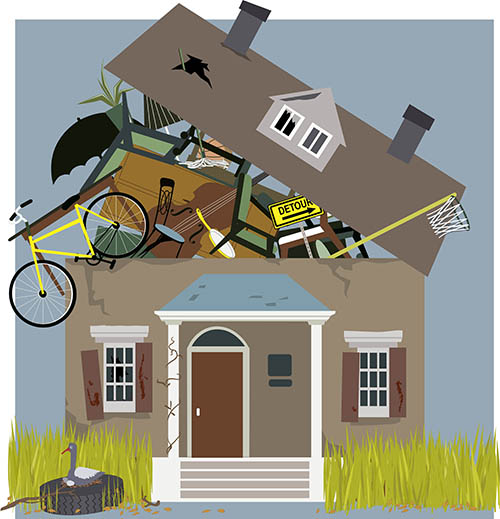
Hoarding
Biohazard Cleanup Service Conyers
When a traumatic event or biohazard incident occurs in Conyers or the surrounding areas of Georgia, the cleanup process requires far more than standard janitorial services. A professional biohazard cleanup service Conyers addresses pathogenic contamination, regulatory compliance, and emotional support simultaneously. Understanding what biohazard cleanup involves, how it differs from conventional cleaning, and why specialized expertise matters can help families, property managers, and business owners make informed decisions during difficult circumstances.
Econ Biohazard Services operates 24/7 across Georgia with particular expertise serving the Macon region and surrounding communities, including Conyers. Their approach combines technical precision with compassionate response, ensuring both safety and dignity are maintained throughout the remediation process.
1. Biohazard Cleanup Involves Pathogenic Classification and Risk Assessment
Biohazard cleanup is not a single process but a series of specialized protocols determined by contamination type. Professional technicians conduct initial risk assessment to identify the specific pathogens present, their concentration levels, and environmental factors affecting transmission risk. This classification determines the appropriate personal protective equipment (PPE), disinfection methodology, and disposal procedures required for safe remediation.
A biohazard cleanup service Conyers must differentiate between bloodborne pathogens (such as Hepatitis B and HIV), airborne contaminants, and environmental biohazards. Each category demands distinct containment and decontamination approaches. For example, crime scene cleanup requires different protocols than unattended death scenarios, which differ again from hoarding remediation involving mold and bacterial overgrowth. Technicians use industrial hygiene principles to ensure every surface is treated appropriately.
2. OSHA and EPA Compliance Drives Every Procedure
Federal occupational safety standards govern biohazard cleanup operations under OSHA regulations and EPA guidelines for biological waste management. These standards mandate specific disinfection agents, application methods, exposure time, and disposal procedures. Non-compliance creates liability for property owners and health risks for occupants.
Econ Biohazard Services maintains EPA and OSHA-compliant protocols across all Georgia operations. This means using approved disinfectants at proper concentrations, documenting application procedures, and managing biomedical waste according to federal standards. When you engage a licensed biohazard cleanup service Conyers that prioritizes regulatory adherence, you transfer compliance responsibility to professionals equipped with proper training, documentation systems, and insurance coverage.
"Biohazard remediation without proper regulatory compliance creates ongoing health risks and potential legal liability for property owners. Professional protocols ensure both immediate safety and long-term environmental integrity."
3. Chemical Disinfection Requires Precise Methodology
Effective biohazard remediation relies on industrial-grade disinfection agents applied with exact timing and concentration. Common hospital-grade disinfectants include quaternary ammonium compounds, phenolics, and hypochlorite solutions, each effective against specific pathogen categories. Application methods vary from surface spraying to aerosolized misting systems, depending on contamination scope and environmental conditions.
Contact time is critical: most disinfectants require 10-20 minutes of surface wetness to achieve pathogenic kill rates. Simply spraying and wiping surfaces does not meet regulatory standards. A biohazard cleanup service Conyers applies these chemicals systematically, verifies contact times with documented procedures, and ensures proper air circulation to prevent chemical residue accumulation. This technical precision distinguishes professional remediation from inadequate attempts.
4. Personal Protective Equipment Standards Prevent Cross-Contamination
Technicians performing biohazard cleanup must utilize specific PPE configurations based on contamination risk levels. Standard requirements include fluid-resistant coveralls, double gloves, respiratory protection (ranging from N95 masks to powered air-purifying respirators depending on pathogen type), eye protection, and proper footwear. Donning and doffing protocols-the procedures for properly putting on and removing PPE-are equally important as the equipment itself, since improper removal can transfer contamination to the technician.
Professional biohazard cleanup service Conyers technicians receive training in proper PPE protocols to prevent exposure. This protects both the technician and the remediation environment by ensuring contaminated materials never touch skin or clothing during the removal process. Insurance companies recognize that licensed, properly trained personnel significantly reduce liability and health risks associated with cleanup operations.
5. Waste Disposal Follows Biomedical Classification Requirements
Biohazard materials cannot be disposed of through standard municipal waste systems. Contaminated materials must be classified as biomedical waste and transported to licensed medical waste disposal facilities. Different waste categories require specific containers: sharps go in puncture-resistant containers, liquid waste in sealed biohazard bags, and certain materials in specialized medical waste containers with documentation trails.
When you contract with a biohazard cleanup service Conyers, that company assumes responsibility for proper waste transportation and disposal documentation. They maintain chain-of-custody records proving materials were handled and destroyed according to regulatory standards. This documentation protects property owners from liability and demonstrates compliance during insurance audits or regulatory inspections.
6. Trauma-Informed Response Combines Technical Expertise with Emotional Support
Beyond the technical remediation, professional biohazard cleanup addresses the psychological aspects of traumatic situations. Trained technicians understand that families and property managers are often in acute emotional distress when requesting services. A compassionate approach maintains dignity while managing complex contamination.
This emotional intelligence, combined with technical competence, distinguishes professional operations from unqualified attempts. When you contact Econ Biohazard Services, their Georgia-based team brings both expertise and empathy, understanding that your situation requires respectful, efficient handling. This allows families and executors to focus on recovery while professionals manage the remediation complexity.
7. Insurance Billing Assistance Simplifies Financial Navigation
Many property owners are uncertain whether insurance covers biohazard cleanup costs. Professional remediation companies maintain relationships with insurance carriers and understand coverage parameters. They can often bill insurance directly, reducing out-of-pocket expenses and navigating claim processes.
A reputable biohazard cleanup service Conyers provides guidance on insurance coverage eligibility and assists with claim documentation. This administrative support, combined with rapid response capabilities (often 30 minutes to one hour in service areas), addresses both financial and time pressures associated with emergency cleanup situations.
- Pathogenic risk assessment determines appropriate disinfection protocols
- OSHA and EPA compliance is non-negotiable and protects property owners
- Industrial-grade disinfectants require precise application and contact time
- Proper PPE protocols protect both technicians and remediated environments
- Biomedical waste disposal follows strict regulatory classification
- Compassionate response acknowledges emotional weight of situations
- Insurance assistance reduces financial burden on families and property owners
Frequently Asked Questions
What is the difference between biohazard cleanup and regular cleaning?
Biohazard cleanup involves removal and disinfection of pathogenic contamination using industrial-grade chemicals, specialized PPE, and regulatory-compliant procedures. Regular cleaning addresses dirt and debris but does not eliminate bloodborne pathogens, bacteria, or viruses. Biohazard remediation requires licensed professionals trained in pathogenic classification, OSHA compliance, and biomedical waste disposal.
How quickly can a biohazard cleanup service respond in Conyers?
Professional biohazard cleanup services maintain 24/7 emergency response capabilities with average response times of 30 minutes to one hour in service areas. Rapid response minimizes contamination spread, reduces health risks, and allows families to begin the recovery process sooner. Contact information should be readily available for immediate dispatch when incidents occur.
Does insurance typically cover biohazard cleanup costs?
Many insurance policies provide coverage for professional biohazard cleanup, particularly for crime scene remediation or unattended death scenarios. Coverage varies by policy type and specific circumstances. Professional cleanup companies assist with insurance navigation and often bill carriers directly, reducing immediate financial burden on property owners during traumatic situations.
What types of situations require professional biohazard cleanup services?
Professional biohazard cleanup is required for crime scenes (homicide and suicide), unattended deaths, hoarding situations with mold and bacterial contamination, viral outbreaks requiring decontamination, and biomedical waste disposal. Any situation involving pathogenic material requires specialized remediation rather than standard cleaning to ensure safety, regulatory compliance, and proper waste management.
How do professionals ensure all pathogens are eliminated during cleanup?
Professional technicians use EPA-approved disinfectants applied at proper concentrations with documented contact times sufficient to kill targeted pathogens. They follow OSHA protocols for systematic surface treatment, utilize industrial hygiene methodologies, and maintain records proving compliance. This technical approach ensures pathogenic elimination rather than relying on standard cleaning products.
What happens to contaminated materials after biohazard cleanup?
Contaminated materials are classified as biomedical waste and transported to licensed medical waste disposal facilities. Professional cleanup companies maintain chain-of-custody documentation proving proper handling and destruction. Materials are never disposed of through municipal waste systems, ensuring regulatory compliance and environmental safety.
Is biohazard cleanup available statewide in Georgia?
Yes, professional biohazard cleanup services operate statewide across Georgia, with particular emphasis on the Macon region and surrounding areas including Conyers. 24/7 emergency response capabilities ensure rapid deployment regardless of location, and licensed technicians maintain consistent OSHA and EPA-compliant protocols across all service areas.