Hoarding
Biohazard Cleanup Service Georgia
A biohazard cleanup service Georgia provides specialized professional remediation of contaminated environments following traumatic events, infectious disease outbreaks, or hazardous material exposure. Unlike standard janitorial services, biohazard cleanup requires certification, advanced decontamination protocols, and equipment specifically designed to eliminate bloodborne pathogens, infectious agents, and biological hazards. When families, property managers, or business owners face situations involving crime scenes, unattended deaths, hoarding conditions, or viral contamination, they need more than general cleaning-they need trained professionals who understand the regulatory, safety, and health implications of biohazard remediation.
The critical distinction between biohazard cleanup and conventional cleaning lies in the technical approach, regulatory compliance, and health protection measures involved. Biohazard cleanup service Georgia providers operate under strict Occupational Safety and Health Administration (OSHA) standards and Environmental Protection Agency (EPA) guidelines, ensuring that contamination is not merely removed but properly decontaminated, documented, and disposed of according to federal biomedical waste protocols. This level of expertise prevents secondary contamination, protects public health, and ensures that properties are restored to safe, habitable conditions.
Understanding Biohazard Contamination and Remediation Standards
Biohazard contamination encompasses several distinct categories, each requiring specific remediation approaches. Bloodborne pathogens-including human immunodeficiency virus (HIV), hepatitis B, and hepatitis C-present in blood and bodily fluids require containment and decontamination procedures that prevent aerosol transmission and surface cross-contamination. Environmental pathogens such as bacteria and viruses demand different treatment protocols; for example, certain disinfectants that eliminate respiratory viruses may not be effective against resistant bacterial spores without appropriate contact time and concentration levels.
A professional biohazard cleanup service Georgia follows a systematic methodology that begins with scene assessment and containment. Technicians evaluate the extent of contamination, identify all affected materials and surfaces, and establish containment barriers to prevent cross-contamination to unaffected areas. This assessment determines which materials require disposal versus disinfection-for instance, porous materials like drywall, carpet, or upholstery with significant contamination are typically removed and properly disposed of as biomedical waste, while hard surfaces undergo chemical disinfection using EPA-registered antimicrobials applied at manufacturer-specified concentrations and contact times.
The remediation process itself follows this technical sequence: removal of contaminated materials, surface cleaning using appropriate detergents to remove organic matter, application of hospital-grade disinfectants with documented efficacy against identified pathogens, and final verification through visual inspection and, where appropriate, environmental sampling. Post-remediation, documentation is provided for insurance purposes and regulatory compliance. This structured approach ensures that contamination is eliminated at the pathogenic level rather than simply masked or relocated.
Specialized Services Within Biohazard Cleanup Service Georgia
Crime scene cleanup represents one of the most technically demanding aspects of biohazard remediation. Whether the incident involves suicide, homicide, or accidental trauma, crime scenes present complex contamination challenges because biological material may be distributed across multiple surfaces, structural materials, and concealed spaces. Professional cleanup teams possess the knowledge to identify these affected areas, understand which pathogens may be present based on circumstances, and apply appropriate remediation protocols. This service provides families with relief from an overwhelming burden while ensuring that properties are restored to pre-incident conditions.
Unattended death cleanup addresses situations where an individual has passed away and the body has remained undiscovered for an extended period. In these circumstances, decomposition fluids and gases create significant biological contamination requiring specialized decontamination. The complexity increases when contamination has penetrated subflooring, structural elements, or HVAC systems, which may necessitate more extensive remediation than typical crime scene cleanup. Professionals trained in unattended death scenarios understand these complications and possess the equipment to address them.
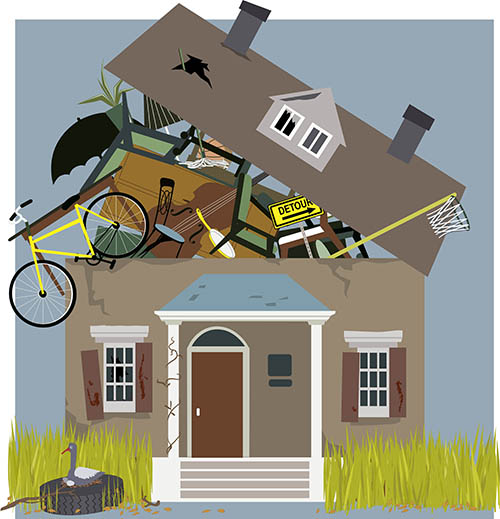
Hoarding cleanup services require a different skill set, combining biohazard remediation with organizational and structural assessment. Hoarding situations frequently involve accumulated biological waste, pest infestation, mold growth, and compromised sanitation conditions. Remediation must address not only visible contamination but also potential airborne pathogens and structural damage. Because hoarding environments vary dramatically in severity and composition, assessment and customized remediation planning become essential components of professional service delivery.
Infectious disease decontamination-including viral and bacterial disinfection protocols-has become increasingly important. When outbreaks occur in residential or commercial settings, specialized disinfection ensures that surfaces are treated with appropriate antimicrobial agents effective against the specific pathogen. This differs from routine cleaning because it involves targeted application of EPA-registered disinfectants at specified concentrations, with documentation of treatment protocols for regulatory compliance.
Throughout Georgia, statewide biohazard cleanup service Georgia providers maintain 24/7 availability because traumatic situations do not occur during business hours. Response time becomes critical; delays in remediation can allow contamination to spread, odors to intensify, and biological hazards to persist. Companies like Econ Biohazard Services maintain rapid response protocols specifically designed to reach affected locations within 30 minutes to one hour of contact, ensuring that remediation begins promptly and families can begin the recovery process.
When selecting a biohazard cleanup service Georgia provider, verify that the company maintains proper licensing, employs OSHA-trained technicians, possesses appropriate personal protective equipment (PPE) and specialized equipment, carries liability insurance, and can assist with insurance claim documentation. Ask whether they provide written estimates, understand biomedical waste disposal requirements, and can provide references from previous clients or emergency responders. Professional providers should communicate clearly about their remediation approach, explain the timeline, and maintain transparent communication throughout the process, recognizing that clients are typically experiencing significant emotional and logistical stress during these situations.
Frequently Asked Questions
What is the difference between biohazard cleanup and regular cleaning services?
Biohazard cleanup involves specialized training, EPA and OSHA-compliant protocols, and use of hospital-grade disinfectants to eliminate bloodborne pathogens and infectious agents at the pathogenic level. Regular cleaning services do not address biological hazards, do not follow federal remediation standards, and cannot legally dispose of biomedical waste. Biohazard cleanup service Georgia requires certification and specialized equipment because standard cleaning methods are insufficient and potentially unsafe.
How quickly can a biohazard cleanup service Georgia respond to an emergency?
Professional biohazard remediation companies maintain 24/7 emergency response capabilities with average response times ranging from 30 minutes to one hour, depending on location and current demand. Because biohazard situations require immediate containment and remediation to prevent contamination spread and health risks, rapid response is a core component of professional service delivery. Companies serving the Macon area and surrounding Georgia regions prioritize dispatch efficiency to ensure technicians arrive promptly.
Will my insurance cover biohazard cleanup services?
Many homeowners and commercial property insurance policies cover biohazard remediation, particularly following traumatic incidents, though coverage varies by policy and insurer. Professional biohazard cleanup service Georgia providers typically assist clients with insurance claim documentation and can communicate directly with insurers regarding scope of work and costs. It is advisable to contact your insurance company immediately and provide them with a detailed estimate from your remediation provider to determine coverage eligibility.