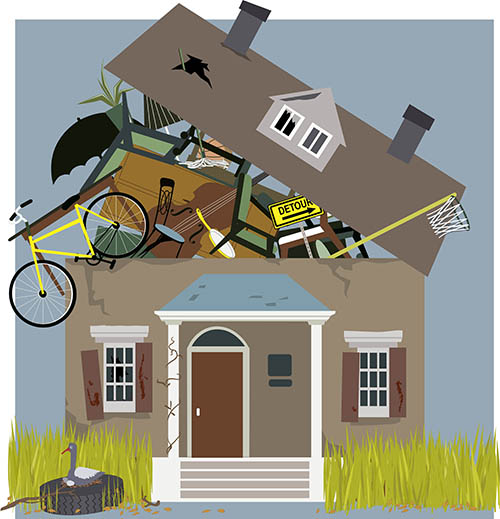
Hoarding
Biohazard Cleanup Service Junction City
When you're facing a biohazard situation in Junction City or surrounding areas of Georgia, understanding how to properly access professional cleanup services is critical. Biohazard cleanup service Junction City addresses not just the physical contamination, but the emotional and logistical burden that accompanies trauma, unattended deaths, crime scenes, or infectious disease outbreaks. This guide walks you through the essential steps to secure professional remediation, understand what happens during the process, and ensure your property is restored safely and respectfully. By following these steps, you'll move from crisis management to recovery with expert guidance and support.
Step 1: Assess the Situation and Determine If Professional Cleanup Is Required
The first analytical question to ask yourself is whether the contamination requires professional intervention. Not all cleanup scenarios demand biohazard specialists, but many do. Professional biohazard cleanup service Junction City becomes necessary when biological material, blood, bodily fluids, or pathogens are present. These situations include unattended deaths, homicides, suicides, severe hoarding scenarios with biological contamination, and disease outbreaks.
When comparing DIY attempts versus professional services, the data strongly favors professional intervention. OSHA and EPA regulations govern biohazard cleanup, and improper handling creates legal liability, health risks, and incomplete decontamination. If you're uncertain, contacting a professional service like Econ Biohazard Services across Georgia, with particular strength in Macon and surrounding areas, for an assessment costs nothing and provides clarity. They can evaluate whether your situation requires full remediation or alternative solutions.
Step 2: Contact a Licensed Biohazard Cleanup Service Immediately
Professional biohazard cleanup service Junction City operates on emergency response timelines because biological contamination poses ongoing health risks. The moment you identify a biohazard situation, make the call. Licensed services maintain 24/7 availability specifically because these emergencies don't follow business hours. When you contact them, have basic information ready: location, type of contamination (if known), property size, and any access restrictions.
Response time matters significantly. Services offering rapid deployment-typically within 30 minutes to one hour-minimize exposure risk and prevent secondary contamination. During your call, ask about their credentials, including OSHA and EPA compliance certifications. A professional biohazard cleanup service Junction City should be able to answer questions about their methodology, insurance billing assistance, and what your property owner's insurance may cover. This initial conversation establishes trust and gives you a realistic timeline for remediation.
Step 3: Prepare for Assessment and Remediation Planning
Once the professional team arrives, they'll conduct a thorough assessment to determine contamination scope, identify affected areas, and develop a remediation plan. This process involves analyzing which materials require removal, which surfaces need industrial-grade disinfection, and what specialized equipment the job demands. The assessment directly shapes the timeline and resources required.
During this phase, communicate openly about your needs and concerns. Are you the property owner, tenant, estate executor, or responsible party? Do you have insurance coverage? Do you need assistance filing claims? Professional services specializing in biohazard cleanup service Junction City often provide insurance navigation support, which streamlines the financial aspect of recovery. They'll explain their process, protective measures, waste disposal protocols, and restoration timeline. Ask questions about how they'll handle sensitive items, what chemicals they use, and how they'll document the work for your records. This transparency builds confidence in the remediation process.
Step 4: Understand the Remediation Process and Timeline
Biohazard remediation follows a structured methodology designed to eliminate contamination completely while protecting both workers and future occupants. The process typically includes:
- Initial containment and site preparation to prevent cross-contamination
- Removal of contaminated materials and biohazardous waste
- Professional cleaning and decontamination using industrial disinfectants
- Air quality assessment and ventilation protocols
- Documentation and certification of completion
- Disposal of biomedical waste according to EPA and state regulations
The timeline depends on contamination severity, property size, and structural complexity. A straightforward unattended death cleanup might require 1-2 days, while extensive hoarding situations with biohazard elements could require longer. Professional biohazard cleanup service Junction City teams work systematically to ensure nothing is overlooked. When comparing services, prioritize those offering post-remediation inspections and documentation-this provides proof of proper decontamination for insurance purposes and your own peace of mind.
Step 5: Manage Insurance Claims and Documentation
Most property owner's insurance policies cover biohazard cleanup under specific circumstances. After an unattended death, homicide, or crime scene, your insurer typically covers professional remediation. Biomedical and medical waste disposal costs, along with industrial disinfection, often fall under covered services when properly documented. The key is establishing a clear record of the contamination and the professional response.
Your biohazard cleanup service Junction City provider should supply detailed documentation including photographs before and after remediation, itemized service descriptions, waste disposal receipts, and compliance certifications. This documentation becomes essential when filing insurance claims. Services across Georgia, particularly those serving Macon and surrounding communities, understand local insurance procedures and can advocate on your behalf. Some providers offer direct billing arrangements, which means they coordinate payment with your insurer rather than requiring you to pay upfront. This arrangement significantly reduces financial burden during an already stressful period.
Step 6: Follow Post-Remediation Guidelines and Restoration
After professional remediation is complete, follow any specific guidance provided by your cleanup service. This might include ventilation recommendations, restrictions on occupancy during certain phases, or additional inspections if required. The goal is ensuring the space is genuinely safe for reoccupancy before anyone returns.
Some situations require additional restoration beyond biohazard cleanup-painting, flooring replacement, or structural repairs. Professional services can recommend qualified contractors and help coordinate this transition. The remediation phase ends when documentation is complete and the space is certified safe. For many families and property managers, this marks the beginning of recovery and moving forward after a difficult situation.
Step 7: Establish Prevention and Future Planning
With remediation complete, consider how to prevent future biohazard situations when relevant to your circumstances. For hoarding situations, professional cleanup should be coupled with psychological support services and organizational systems to prevent recurrence. For infectious disease concerns, understand disinfection protocols for ongoing facility management. Some properties benefit from periodic professional disinfection as preventive maintenance, particularly in healthcare settings or properties with vulnerable populations.
Connect with your local professional biohazard cleanup service Junction City to understand what preventive measures apply to your situation. Many providers offer consultation on facility management, employee training for healthcare settings, and protocols for handling potential future biohazards. This proactive approach transforms a crisis response into long-term property and health management.
Frequently Asked Questions
How quickly can a biohazard cleanup service respond in Junction City?
Professional biohazard cleanup services maintain 24/7 emergency response capabilities with typical response times between 30 minutes to one hour. Rapid response is critical because biological contamination poses ongoing health risks and can spread through a property. When you call, you'll be connected to dispatch immediately, and the team will coordinate the fastest arrival time possible based on your location in Junction City and surrounding areas.
Does homeowners insurance cover biohazard cleanup service costs?
Most homeowners insurance policies cover professional biohazard cleanup when the contamination results from covered events like unattended deaths, homicides, or certain crime scenes. Coverage specifics vary by policy and insurer, which is why professional cleanup services often provide insurance billing assistance and direct coordination with your insurer. Your biohazard cleanup service can review your policy details and help document the claim properly for maximum coverage.
What makes professional biohazard cleanup different from standard cleaning?
Professional biohazard cleanup follows OSHA and EPA compliance protocols that standard cleaning services cannot provide. This includes proper containment procedures, industrial-grade disinfectants, specialized removal of contaminated materials, biomedical waste disposal, and post-remediation certification of decontamination. Professional services like those serving Georgia protect workers, property occupants, and the environment through regulatory compliance and advanced industrial hygiene technology that standard cleaning cannot match.