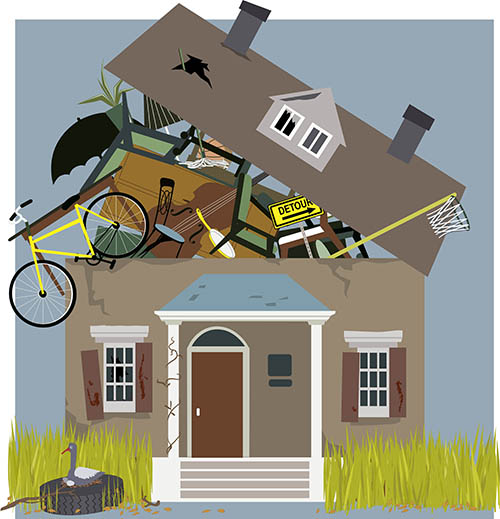
Hoarding
Biohazard Cleanup Service Mcdonough
When a biohazard contamination event occurs in McDonough or the surrounding areas of Georgia, understanding what professional biohazard cleanup service McDonough providers do-and how they operate-can help you make informed decisions during an extraordinarily difficult time. Biohazard incidents range from crime scenes and unattended deaths to hoarding situations and infectious disease outbreaks, each requiring specialized containment, decontamination, and disposal protocols. This guide explains the critical operational and technical aspects of professional biohazard remediation so you understand exactly what happens when a certified team arrives.
1. Biohazard Cleanup Service McDonough Operates Under OSHA and EPA Compliance Frameworks
Professional biohazard cleanup is not optional or unregulated work. A legitimate biohazard cleanup service McDonough provider must operate under strict Occupational Safety and Health Administration (OSHA) bloodborne pathogen standards and Environmental Protection Agency (EPA) waste disposal protocols. These frameworks mandate specific personal protective equipment (PPE) requirements, including NIOSH-certified respiratory protection, double-layer gloves, fluid-resistant suits, and eye protection. Technicians must also follow bloodborne pathogen exposure control plans, which include training on pathogens such as hepatitis B, hepatitis C, and HIV.
Beyond equipment, OSHA compliance means documented exposure control procedures, post-incident reporting, and medical surveillance protocols for technicians. EPA regulations govern how biohazard waste is categorized, containerized, labeled, transported, and incinerated. Non-compliance exposes both the service provider and property owner to significant legal and health liabilities. When selecting a biohazard cleanup service in McDonough or elsewhere in Georgia, verification of licensing and compliance certifications is not a courtesy-it is a fundamental safety requirement.
2. Decontamination Protocols Involve Multi-Stage Chemical and Physical Processes
Effective biohazard remediation does not mean simply wiping surfaces. The decontamination process employed by professional teams involves multiple sequential stages, each targeting different types of contamination and employing specific chemical agents and equipment. The typical protocol begins with an industrial hygiene assessment to identify visible and non-visible contamination zones using specialized detection methods.
The cleanup then proceeds through these phases:
- Removal of contaminated materials: Porous items absorbing biohazardous material (carpeting, drywall sections, upholstery) are carefully removed and segregated for incineration rather than attempting to decontaminate them in place.
- Enzymatic and chemical disinfection: Hospital-grade disinfectants with appropriate contact times are applied. Common agents include quaternary ammonium compounds, phenolics, or sodium hypochlorite solutions, selected based on the specific pathogen and surface material. Contact time-typically 10 to 30 minutes-is critical for efficacy.
- HEPA filtration and air handling: Portable HEPA filtration units or building HVAC systems are monitored to ensure airborne particle capture. This prevents secondary contamination of unaffected areas.
- Final verification: Post-remediation testing may include adenosine triphosphate (ATP) bioluminescence swabs or microbial cultures to verify pathogen reduction to acceptable levels.
A biohazard cleanup service McDonough that skips verification steps or uses consumer-grade disinfectants is not meeting professional standards and poses health risks to occupants returning to the property.
3. Medical Waste Disposal Requires Specialized Incineration and Tracking Documentation
Biomedical waste-including materials from crime scenes, unattended deaths, hoarding situations, and medical incidents-cannot be disposed of in standard municipal waste streams. All regulated medical waste must be incinerated at licensed medical waste facilities operating at temperatures exceeding 1,000 degrees Fahrenheit, which destroys pathogenic organisms and reduces waste volume by up to 90 percent. Materials are typically segregated into sharps, pathological waste, and chemically contaminated waste, each with specific container and transport requirements.
Econ Biohazard Services and similar professional operators in Georgia maintain chain-of-custody documentation from collection through incineration. This documentation protects the property owner by creating a verifiable record that contamination was handled lawfully. Improper disposal-such as placing biohazard materials into standard trash-constitutes illegal dumping and exposes the responsible party to environmental violations and fines. When a professional biohazard cleanup service McDonough handles disposal, they assume this legal and logistical burden, allowing property owners and families to avoid compounding an already traumatic situation with regulatory exposure.
4. Response Time Is Critical in Contamination Control and Secondary Damage Prevention
Biohazards do not stabilize over time; they proliferate and degrade. When unattended death occurs, microbial action begins immediately, producing putrefactive odors, body fluids that seep into subfloors and walls, and gas accumulation. Insect colonization can begin within hours. Similarly, crime scenes left unaddressed allow blood and tissue to dry and bond chemically to surfaces, becoming exponentially harder to remediate.
Professional rapid response-typically 30 minutes to one hour for experienced operators-prevents these secondary complications. Quick mobilization means less time for bacterial and fungal growth, reduced structural damage from fluid seepage, and lower probability of pest infestation. For families or property managers in McDonough and surrounding areas of Georgia, this means that contacting a biohazard cleanup service McDonough immediately after discovery of contamination directly reduces both remediation costs and the scope of physical damage requiring restoration contractors.
5. Insurance Billing Assistance Simplifies the Claims Process
Most property and homeowner insurance policies cover biohazard cleanup as part of coverage for damage or loss of use following traumatic events. However, filing these claims requires detailed invoicing, incident classification, and coordination between the cleanup provider, the insurance adjuster, and the policyholder. Professional biohazard cleanup service McDonough providers offer billing assistance, meaning they understand insurance language, generate appropriate documentation, and in many cases submit claims directly to insurers on behalf of clients.
This service eliminates the administrative burden from families and property managers who are already managing emotional and logistical stress. Providers maintain relationships with adjusters and understand regional policy variations, which accelerates claim approval. While insurance coverage varies by policy and incident type, direct billing support from an experienced provider significantly increases the likelihood that cleanup costs are covered rather than falling to the property owner.
6. Industrial Hygiene Assessment Distinguishes Visible From Non-Visible Contamination
Not all biohazard contamination is visible to the untrained eye. Bloodborne pathogens, bacterial spores, and viral particles can persist on surfaces far from the visible contamination zone and in structural cavities invisible to direct inspection. Professional industrial hygiene assessment uses specialized techniques to identify these hidden contamination areas, preventing incomplete remediation that leaves health hazards in place.
Technicians may use ultraviolet light to visualize dried biological material, ATP testing to detect microbial presence, or air sampling to identify airborne pathogen concentration. This systematic mapping ensures that all contaminated areas receive appropriate treatment, not just those visible to the occupant. For hoarding situations particularly, assessment is essential because decomposition, mold growth, and pest infestation create contamination extending into wall cavities, HVAC systems, and subflooring that casual cleaning cannot address.
7. Post-Remediation Restoration Planning Bridges Cleanup and Occupancy
After biohazard remediation concludes, the property is decontaminated but not necessarily restored. Demolition of contaminated materials-drywall, flooring, subflooring-leaves voids requiring reconstruction. Professional biohazard cleanup service McDonough operators do not typically perform reconstruction, but they coordinate with general contractors and restoration specialists to ensure seamless transition from contamination control to rebuild phases.
This coordination includes providing contractors with detailed scope documentation so they understand what materials were removed and what structural systems may require inspection. It prevents contractors from unknowingly disturbing residual contamination or creating secondary exposure. For property managers and families, understanding that cleanup and restoration are separate phases-but coordinated phases-helps set realistic timelines and budgets. In McDonough and throughout Georgia, properties that receive professional remediation followed by coordinated restoration typically return to safe occupancy within weeks rather than months.
Frequently Asked Questions
What is the difference between biohazard cleanup and standard janitorial cleaning?
Biohazard cleanup involves removal of pathogenic materials (blood, body fluids, tissues) using medical-grade disinfectants, specialized PPE, and EPA-compliant waste disposal protocols. Standard janitorial cleaning uses commercial disinfectants and does not address bloodborne pathogens or medical waste. Biohazard cleanup service McDonough providers are trained to neutralize infectious agents; janitorial staff are not.
How quickly can a biohazard cleanup service respond in McDonough?
Professional biohazard cleanup services operate 24/7 with target response times of 30 minutes to one hour. Rapid response minimizes microbial proliferation, prevents structural damage from fluid seepage, and reduces the scope of secondary contamination. Early contact with a biohazard cleanup service McDonough provider directly impacts both remediation costs and timeline.
Does homeowner's insurance cover biohazard cleanup costs?
Most homeowner and property insurance policies do cover professional biohazard cleanup following traumatic events such as crime scenes or unattended deaths, though coverage varies by policy and incident classification. Professional biohazard cleanup service McDonough providers offer billing assistance and insurance coordination to help navigate the claims process and maximize coverage.
What certifications should a biohazard cleanup company have?
Legitimate providers comply with OSHA bloodborne pathogen standards and EPA medical waste disposal regulations. Technicians should possess certifications in bloodborne pathogen training, HAZWOPER (hazardous waste operations), and typically maintain state licensing or registrations where required. Verification of these credentials is essential before engaging a biohazard cleanup service.
Can biohazard contamination be completely removed from a property?
Yes, when addressed by certified professionals using appropriate protocols, biohazard contamination can be remediated to safe occupancy standards. Industrial hygiene assessment identifies all contaminated areas, including non-visible zones, and multi-stage decontamination protocols eliminate pathogenic agents. Post-remediation verification confirms pathogen reduction to acceptable thresholds.
What types of situations require professional biohazard cleanup service McDonough?
Professional biohazard cleanup is required for crime scenes (homicide, suicide), unattended deaths, hoarding situations with biohazard accumulation, infectious disease outbreaks, and biomedical waste incidents. These situations involve pathogenic contamination that poses direct health risks and requires specialized containment and disposal.
How is biohazard waste legally disposed of after cleanup?
All regulated medical and biohazard waste must be transported to licensed medical waste incineration facilities operating above 1,000 degrees Fahrenheit, which destroys pathogenic organisms. Professional providers maintain chain-of-custody documentation from collection through incineration, protecting property owners from liability associated with improper disposal.