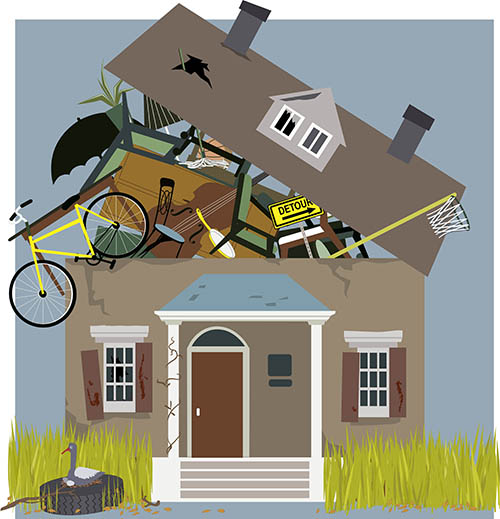
Hoarding
Biohazard Cleanup Service Thomson
When a biohazard situation emerges-whether from trauma, unattended death, crime scene contamination, or infectious disease-the cleanup demands specialized expertise that goes far beyond standard janitorial services. A biohazard cleanup service Thomson residents and business owners depend on operates under strict regulatory frameworks, employing trained professionals equipped to handle biological, chemical, and bloodborne pathogens safely and with dignity. At Econ Biohazard Services, we provide comprehensive biohazard cleanup throughout Georgia, including Thomson and surrounding areas, with 24/7 emergency response capabilities and OSHA and EPA-compliant protocols.
Understanding Biohazard Cleanup and Why Professional Service Matters
Biohazard cleanup addresses contamination from blood, bodily fluids, tissue, and other infectious materials. The distinction between standard cleaning and professional biohazard remediation is critical: untrained individuals attempting cleanup face exposure to bloodborne pathogens, psychological trauma, and potential legal liability. Data on unattended deaths suggests that decomposition begins within hours, creating complex biological contamination that spreads across surfaces, into porous materials, and potentially into HVAC systems.
A biohazard cleanup service Thomson area property managers and families rely on must navigate multiple regulatory requirements simultaneously. OSHA standards govern workplace exposure, EPA regulations control medical waste disposal, and state health departments maintain additional protocols specific to Georgia. Attempting cleanup without proper licensing exposes property owners to fines, remediation failures, and incomplete disinfection that leaves pathogens viable and dangerous.
Types of Biohazard Situations Requiring Professional Intervention
When evaluating whether professional biohazard cleanup service Thomson is necessary, consider these common scenarios:
- Crime scenes involving homicide or violence, where law enforcement has released the scene but biological evidence remains
- Unattended deaths, where decomposition has contaminated the environment across multiple days or weeks
- Suicide cleanup, requiring compassionate, trauma-informed professionals experienced in family support
- Hoarding situations with accumulated biological waste, animal contamination, and potential mold growth
- Infectious disease outbreaks in residential or commercial spaces, including viral and bacterial disinfection
- Biomedical waste from home healthcare or medical procedures requiring proper containment and disposal
Each category presents distinct challenges. Unattended deaths, for example, involve not only visible contamination but also airborne pathogens and lingering biological matter in subflooring and drywall. Hoarding situations compound biohazard risks with structural damage, pest infestation, and psychological barriers to remediation. The professional assessment and systematic approach provided by trained biohazard cleanup services ensures nothing is overlooked.
The Remediation Process: What to Expect from Professional Service
Understanding the remediation workflow helps families and property managers recognize why professional biohazard cleanup service Thomson providers charge appropriately for their expertise. The process unfolds in distinct phases:
- Initial Assessment and Documentation - Professionals evaluate the extent of contamination, photograph evidence for insurance claims, and identify all affected materials and surfaces.
- Containment and Safety Setup - Work areas are isolated using plastic sheeting, negative air pressure systems, and proper ventilation to prevent pathogen spread to uncontaminated areas.
- Removal of Contaminated Materials - Porous items like drywall, carpeting, and insulation that cannot be safely disinfected are removed and disposed of according to biomedical waste regulations.
- Deep Cleaning and Disinfection - Industrial-grade disinfectants are applied using hospital-standard protocols, with attention to hidden surfaces where pathogens survive.
- Deodorization and Validation - Final deodorization occurs, and the space is validated as safe for re-occupancy through professional air quality and surface testing.
When comparing biohazard cleanup service Thomson options, ask whether providers conduct post-remediation validation testing. This step-often omitted by less rigorous providers-confirms that pathogens have been eliminated and the space is genuinely safe for occupancy.
Insurance, Compliance, and Practical Considerations
Property damage insurance policies often cover biohazard remediation when contamination results from covered events like crime or unattended death. However, the claims process is complex. Professional biohazard cleanup service Thomson providers experienced with insurance work handle documentation, communicate directly with adjusters, and ensure claims are submitted correctly. This reduces financial burden on families already experiencing crisis.
Regulatory compliance is non-negotiable. Georgia maintains specific requirements for bloodborne pathogen training, medical waste containerization, and disposal through licensed facilities. Attempting to cut costs through unlicensed cleanup creates liability exposure-if someone becomes ill from pathogen exposure, property owners may face civil liability. Professional providers carry appropriate insurance and maintain all required licenses, transferring regulatory responsibility away from property owners.
Response time matters significantly in biohazard situations. Environmental degradation accelerates shortly after contamination occurs. Econ Biohazard Services maintains average response times between 30 minutes to one hour across Georgia, preventing additional secondary contamination and reducing the scope of necessary remediation. For families and property managers facing these situations, rapid professional response transforms crisis into manageable remediation.
Choosing the Right Provider for Your Situation
When selecting a biohazard cleanup service Thomson families should verify several key qualifications: active licensure with state health authorities, documented OSHA and bloodborne pathogen training for all technicians, proof of medical waste disposal partnerships, and insurance coverage for liability and workers' compensation. Ask whether providers offer insurance claim assistance, as this service substantially reduces administrative burden during traumatic periods.
Professional biohazard remediation acknowledges the emotional weight of these situations. Trained providers approach families with compassion while maintaining clinical expertise. The goal extends beyond technical cleanup-it includes supporting clients through a difficult process and restoring their environment to safe, functional condition so healing can begin.
Frequently Asked Questions
What is considered biohazard cleanup, and is it different from regular cleaning?
Biohazard cleanup addresses contamination from blood, bodily fluids, tissue, and infectious materials using OSHA and EPA-compliant protocols, specialized disinfectants, and containment procedures that regular cleaning cannot address. Regular cleaners lack training in bloodborne pathogen exposure, proper disposal of medical waste, and validation testing to confirm pathogens have been eliminated. Professional biohazard cleanup protects both the occupants and the cleaners themselves through proper safety equipment and procedures.
How quickly can a biohazard cleanup service Thomson respond to an emergency?
Professional biohazard cleanup providers maintain 24/7 emergency response capabilities with average response times between 30 minutes to one hour, depending on location within Georgia. Rapid response prevents environmental degradation, reduces the scope of necessary remediation, and helps families and property managers transition from crisis to recovery more quickly. Contact emergency services immediately to report the situation, then reach out to professional cleanup providers as soon as possible.
Will my insurance cover biohazard cleanup costs?
Property damage insurance policies often cover biohazard remediation when contamination results from covered events like crime, homicide, suicide, or unattended death, though coverage varies by policy and circumstance. Professional biohazard cleanup providers experienced with insurance work handle documentation, communicate with adjusters, and submit claims correctly to maximize coverage. Contact your insurance agent immediately and request a detailed cost estimate from cleanup providers to facilitate the claims process.
What happens to contaminated materials that cannot be cleaned?
Porous materials like drywall, carpeting, insulation, and upholstered furniture that cannot be safely disinfected are removed by trained professionals and disposed of through licensed biomedical waste disposal facilities in compliance with Georgia health department regulations. These materials are placed in properly labeled containers, tracked throughout the disposal chain, and processed according to state and federal requirements. Professional disposal prevents secondary contamination and potential legal liability for improper handling.
Are biohazard cleanup technicians required to have specific training and licenses?
Yes, professional biohazard cleanup technicians must complete OSHA bloodborne pathogen training, maintain current certifications, and work under state-licensed companies operating in Georgia with proper medical waste disposal partnerships. Technicians must understand pathogen transmission, use appropriate personal protective equipment, and follow containment protocols to prevent exposure to themselves and occupants. Verifying technician credentials and company licensing ensures you receive safe, compliant, and effective remediation.