Hoarding
Biohazard Cleanup Service Valley
When a biohazard cleanup service Valley property owners call represents far more than routine sanitation-it represents professional intervention in circumstances that demand specialized expertise, regulatory compliance, and human sensitivity. Biohazard cleanup encompasses the remediation of blood, bodily fluids, infectious materials, and pathogenic contamination from crime scenes, unattended deaths, hoarding situations, and disease outbreaks. This guide explains what professional biohazard cleanup entails, the technical standards involved, and why partnering with qualified specialists matters for both safety and peace of mind.
Across Georgia, including Macon and surrounding areas, biohazard situations require immediate, trained response. Unlike standard cleaning services, biohazard remediation operates under OSHA (Occupational Safety and Health Administration) and EPA (Environmental Protection Agency) protocols, with specific procedures for containment, decontamination, and disposal. Econ Biohazard Services provides 24/7 emergency response capabilities with an average arrival time of 30 minutes to one hour, delivering the rapid professional intervention these circumstances demand.
Understanding Biohazard Classification and Regulatory Framework
Biohazards fall into distinct categories determined by their infectious potential and contamination severity. A biohazard cleanup service Valley professionals must recognize involves classification systems that dictate specific remediation approaches and protective measures.
Biological materials are categorized as follows:
- Category 1: Minimal contamination, typically bloodborne pathogen exposure limited to small surface areas
- Category 2: Moderate contamination involving bodily fluids across multiple surfaces or extended exposure areas
- Category 3: Severe contamination including unattended death scenes, advanced decomposition, or widespread pathogenic spread
OSHA mandates that facilities handling biohazard materials comply with the Bloodborne Pathogens Standard (29 CFR 1910.1030), which establishes requirements for universal precautions, personal protective equipment (PPE), engineering controls, and medical waste disposal. EPA regulations under 40 CFR govern the handling and disposal of medical waste and hazardous materials. Professionals operating under these standards use specialized equipment including high-efficiency particulate air (HEPA) filtration systems, hospital-grade disinfectants, and appropriate containment barriers to prevent cross-contamination and airborne pathogen transmission.
Technical Remediation Processes and Decontamination Protocols
Professional biohazard cleanup service Valley operators follow standardized methodologies that distinguish their work from conventional cleaning. The remediation process typically involves sequential phases, each with specific technical requirements and verification checkpoints.
The remediation sequence includes:
- Scene assessment and documentation-photographing and cataloging contamination levels, identifying all affected surfaces, and determining appropriate remediation scope
- Containment and isolation-establishing barriers to prevent pathogen migration into uncontaminated areas, using plastic sheeting and negative air pressure equipment where necessary
- Removal of contaminated materials-disposing of porous materials (drywall, carpet, padding) that cannot be adequately decontaminated, following biomedical waste protocols
- Chemical decontamination-applying EPA-approved disinfectants with appropriate contact times; most bloodborne pathogens require 10-minute contact time at specified concentrations
- Final verification-conducting visual inspection and sometimes ATP (adenosine triphosphate) testing to confirm pathogenic load reduction to acceptable levels
Industrial hygiene protocols require that all personnel use appropriate PPE including respiratory protection rated for bloodborne pathogens, impermeable gloves, eye protection, and full-body coverage. Because biological contaminants can remain viable on surfaces for extended periods-some pathogens survive for days or weeks depending on environmental conditions-thoroughness during chemical decontamination directly determines whether pathogens are genuinely eliminated versus merely hidden.
Specialized Service Categories and Application Scenarios
Different contamination scenarios demand tailored technical approaches. Understanding which type of biohazard cleanup service Valley residents require depends on the specific incident classification.
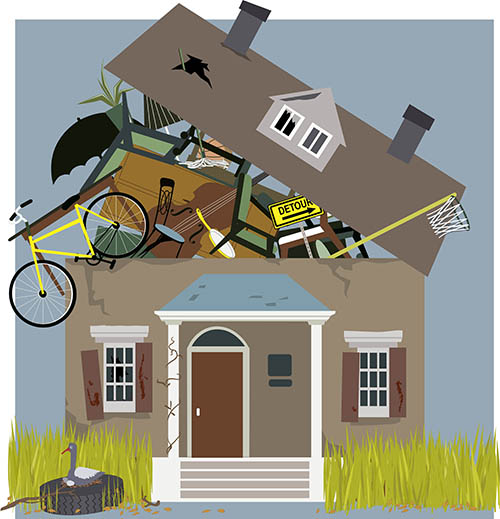
Crime scene remediation addresses bloodborne pathogen contamination from violent crimes, addressing not only visible blood but also aerosol particulates and fluid seepage into structural materials. Unattended death cleanup manages decomposition biohazards, which present significant pathogenic loads and require extensive removal of contaminated materials, structural disinfection, and odor remediation. Hoarding cleanup combines biohazard remediation with structural assessment, as hoarded environments frequently harbor mold, bacterial overgrowth, and decomposing organic matter creating multiple simultaneous contamination vectors.
Medical waste disposal requires segregation protocols-sharps in puncture-resistant containers, chemical waste in designated containers, and pathological waste in specialized medical waste bags-with documentation and chain-of-custody procedures for regulatory compliance. Infectious disease decontamination, including virus and bacterial disinfection protocols, requires understanding pathogen transmission routes and environmental persistence; different pathogens necessitate different disinfection agents and contact times for effective inactivation.
Regulatory Compliance and Documentation Standards
Professional remediation extends beyond physical cleanup to comprehensive documentation ensuring compliance and protecting property owners from liability exposure. When engaging a biohazard cleanup service Valley stakeholders should expect thorough record-keeping practices.
Licensed professionals maintain detailed incident reports documenting remediation scope, materials removed, disinfection products used, contact times, and verification methods. This documentation proves compliance with regulatory requirements and provides essential records for insurance claim processing and potential liability inquiries. Because property owners may face legal questions regarding whether contaminated environments were adequately remediated, professional documentation from qualified specialists carries significant protective value.
Insurance billing assistance represents a critical practical service. Many property owners initially assume they will absorb cleanup costs, but comprehensive property insurance policies frequently cover biohazard remediation when incidents result from covered perils. Licensed professionals understand insurance requirements and policy language, submitting documentation in formats insurers expect and advocating for appropriate claim reimbursement. This expertise directly reduces out-of-pocket expenses and allows families to focus on recovery rather than financial complications.
Professional biohazard cleanup service Valley residents access through Econ Biohazard Services provides more than contamination removal-it delivers regulatory compliance assurance, proper disposal of hazardous materials, and documentation protecting both physical health and legal standing. When circumstances demand rapid, qualified response with technical precision and compassionate professionalism, specialized biohazard remediation represents the appropriate intervention.
Frequently Asked Questions
How quickly can a biohazard cleanup service Valley respond to emergency calls?
Professional biohazard cleanup services in the Valley area typically maintain 24/7 emergency response capabilities with average arrival times between 30 minutes to one hour from initial contact. Rapid response is critical because contaminated environments pose ongoing health risks and may violate local health codes. Immediate dispatch and quick mobilization minimize exposure duration and allow faster property restoration.
What makes professional biohazard cleanup different from standard janitorial services?
Professional biohazard cleanup operates under OSHA and EPA regulatory requirements, uses specialized equipment like HEPA filtration and hospital-grade disinfectants, and follows specific protocols for pathogenic material removal and decontamination. Standard janitorial services lack the technical expertise, protective equipment, and compliance knowledge required to safely eliminate bloodborne pathogens and infectious materials. Because biohazards present genuine health risks if improperly handled, professional intervention with proper protocols is both legally required and medically necessary.
Can insurance cover biohazard cleanup service Valley expenses?
Most comprehensive property insurance policies cover biohazard remediation when incidents result from covered perils such as crime or unattended death. Professional biohazard cleanup companies provide insurance billing assistance and proper documentation that insurers require for claim processing. Working with specialists who understand insurance requirements typically results in significant cost recovery rather than out-of-pocket expenses for property owners.
What happens to contaminated materials during professional biohazard remediation?
Porous materials like drywall, carpet, and padding that cannot be adequately decontaminated are removed and disposed of following biomedical waste protocols, which involve segregation into appropriate waste categories and processing through licensed medical waste disposal facilities. Hard surfaces are chemically decontaminated using EPA-approved disinfectants applied with specific contact times sufficient to inactivate pathogens. This dual approach-removal of non-salvageable materials plus chemical decontamination of remaining surfaces-ensures comprehensive pathogenic elimination rather than surface-level cleaning.