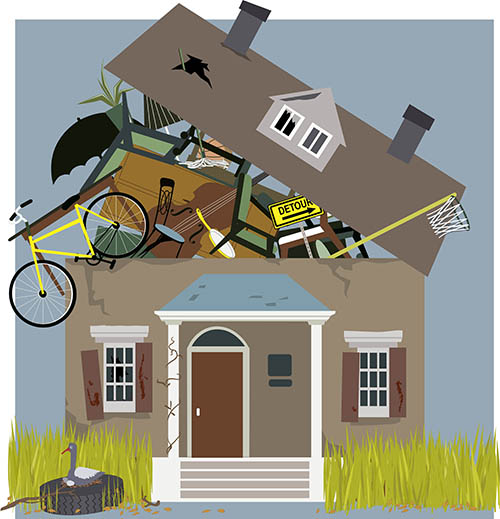
Hoarding
Biomedical Waste Disposal Albany
With years of experience in specialized cleanup and remediation across Georgia, the professionals at Econ Biohazard Services understand that biomedical waste disposal in Albany requires precision, expertise, and unwavering adherence to regulatory standards. Biomedical waste-which includes contaminated sharps, pathogenic materials, pharmaceutical waste, and bloodborne pathogen-contaminated items-presents genuine health risks if mishandled. This guide walks you through the essential steps for proper biomedical waste disposal in Albany, whether you're a healthcare facility, laboratory, dental practice, or property manager dealing with contaminated materials on your premises.
By following these procedures, you'll ensure compliance with OSHA and EPA standards, protect public health, minimize liability, and maintain a safe environment for your staff and community. Let's break down the process into actionable, manageable steps.
Step 1: Identify and Classify Your Biomedical Waste
The foundation of proper biomedical waste disposal in Albany begins with accurate identification and classification. Not all medical waste is handled the same way. Biomedical waste falls into distinct categories: sharps (needles, scalpels, broken glass contaminated with blood), pathological waste (human tissues, organs, body parts), infectious waste (materials contaminated with blood or body fluids), pharmaceutical waste (expired or unused medications), and chemical waste (disinfectants, laboratory chemicals). Before you dispose of anything, examine each item and determine which category it belongs to.
Take a methodical approach: walk through your facility and document what types of biomedical materials you generate regularly. Are you dealing primarily with sharps from injections? Contaminated dressings and bandages? Laboratory cultures or specimens? Chemical disinfectants? Understanding your specific waste streams allows you to select appropriate containment and disposal methods. If you're uncertain about any material's classification, err on the side of caution and treat it as biomedical waste rather than regular refuse.
Step 2: Implement Proper Containment and Segregation
Once you've identified your biomedical waste, segregation becomes critical. Mixing different waste types compromises safety and increases disposal costs. Use color-coded or labeled containers appropriate to each waste category. Sharps must go into rigid, puncture-resistant sharps containers-never into regular trash or soft bags. Liquid or semi-liquid infectious waste requires leak-proof, rigid containers. Pathological waste demands secure, clearly marked containers kept separate from other materials. This segregation isn't just best practice; it's required under regulatory frameworks that govern biomedical waste disposal across Georgia and specifically in Albany.
Make containment protocols part of your facility's routine. Train all staff who generate biomedical waste on proper placement. Containers should be located as close as possible to the point of generation to minimize handling and exposure risk. Never overfill containers-a full container poses spillage risks and makes transport hazardous. Most regulations recommend filling containers only to three-quarters capacity. Label all containers clearly with the biohazard symbol and waste type so there's no ambiguity during transport or processing.
Step 3: Establish Storage Protocols and Timelines
Biomedical waste cannot simply sit indefinitely. Storage duration is strictly regulated, and improper storage creates environmental and health hazards. In most cases, biomedical waste should not remain on premises for more than 30 days under normal conditions, or 45 days in cold storage if refrigeration is available. For facilities in Albany generating small quantities of waste, shorter storage periods are typically safer and more practical. Designate a secure, clearly marked storage area away from public access, employee work areas, and food preparation zones.
The storage area must be well-ventilated, protected from pests and weather, and maintained at an appropriate temperature. If storing sharps or potentially infectious materials, ensure the space is locked and accessible only to authorized personnel. Document when waste arrives in storage and when it's removed for disposal-this creates an audit trail demonstrating compliance. If you're managing biomedical waste disposal in Albany for a healthcare facility, this documentation is essential for regulatory inspections and liability protection.
Proper containment and timely disposal eliminate the risk of contamination spreading to staff, patients, and the surrounding community. This is not an area where shortcuts are acceptable.
Step 4: Partner With a Licensed Biomedical Waste Disposal Provider
This is the critical step many facility managers overlook: biomedical waste disposal in Albany must be handled by licensed, qualified professionals. You cannot simply dispose of medical waste through conventional waste management. Licensed disposal providers understand the specific treatment methods required for different waste categories-incineration for pathological and infectious waste, autoclaving for certain materials, chemical treatment for pharmaceuticals, and specialized sharps management.
When selecting a provider for biomedical waste disposal, verify their credentials, insurance coverage, and compliance record. At Econ Biohazard Services, we maintain full EPA and OSHA compliance while serving facilities throughout Georgia and surrounding areas, with particular expertise in the Macon region and Albany. A reputable provider will offer pickup schedules that align with your storage capacity, provide detailed documentation for every load, and handle transport in vehicles clearly marked and equipped for hazardous materials. They should also offer comprehensive training for your staff and maintain transparent communication about waste stream management and cost structures.
Step 5: Maintain Documentation and Regulatory Compliance
Documentation is your legal and operational safeguard. Every aspect of biomedical waste handling must be recorded. Create a biomedical waste management log noting: the date waste was generated, the type and approximate quantity, the date it was placed in storage, the date picked up for disposal, and the name and license number of the disposal company. Maintain copies of disposal certificates-these prove that your waste was treated appropriately and disposed of according to regulations. These records should be kept for a minimum of three years and made available during regulatory inspections.
Beyond basic documentation, implement staff training records demonstrating that personnel understand proper handling procedures. Develop written protocols specific to your facility that detail waste generation, segregation, containment, storage, and disposal. Review these protocols annually or when your operations change significantly. If your facility experiences any incidents involving biomedical waste-a sharps injury, spillage, or contamination-document the incident, the response, and corrective measures taken. This documentation demonstrates due diligence and protects your organization if questions arise regarding your biomedical waste disposal practices in Albany.
Proper biomedical waste disposal is a shared responsibility between your facility and licensed professionals. By understanding each step and maintaining rigorous standards, you protect your staff, your patients or clients, and your community. If you're uncertain about any aspect of your biomedical waste management program, consult with professionals who specialize in this work. The investment in proper procedures and expert guidance pays dividends through reduced liability, regulatory compliance, and peace of mind.
Frequently Asked Questions
What exactly is considered biomedical waste that requires special disposal?
Biomedical waste includes sharps (needles, scalpels, contaminated glass), pathological waste (human tissues and organs), infectious waste (items contaminated with blood or body fluids), pharmaceutical waste (expired medications), and chemical laboratory waste. Any material that has been in contact with human blood, body fluids, or infectious agents falls into this category and cannot be disposed of through regular waste streams.
How long can biomedical waste be stored before it must be disposed of?
Biomedical waste should not be stored for more than 30 days under normal conditions, or 45 days if refrigeration is available. Shorter storage periods are preferable, especially in warmer climates. Exceeding these timeframes increases decomposition, odor, pest attraction, and regulatory violations. If your facility generates significant quantities, more frequent pickups are recommended.
Can I dispose of biomedical waste through my regular trash service?
No. Biomedical waste disposal requires licensed, specialized providers equipped with appropriate treatment technology such as incineration, autoclaving, or chemical treatment. Disposing of biomedical waste through regular trash violates EPA and OSHA regulations and creates serious health and environmental risks. Using unlicensed disposal methods can result in substantial fines and liability.
What training do my staff members need for handling biomedical waste?
Staff who handle biomedical waste need training on proper identification, segregation, containment, and storage procedures specific to your facility. Training should cover biohazard safety, sharps handling, spill response, and exposure protocols. Documentation of this training must be maintained for regulatory purposes. Annual refresher training is recommended as best practice.
What documentation do I need to keep for biomedical waste disposal?
Maintain records including: dates waste was generated and stored, waste types and quantities, pickup dates, and disposal certificates from your licensed provider. Keep these records for at least three years. Documentation proves compliance during inspections and protects your organization from liability. Your disposal provider should furnish detailed certificates for every pickup.
Are there specific containers required for different types of biomedical waste?
Yes. Sharps must use rigid, puncture-resistant containers marked with biohazard symbols. Infectious waste requires leak-proof, rigid containers. Pathological waste needs clearly labeled, secure containment. Color-coding and labeling systems help ensure proper segregation. Containers should be filled to only 75 percent capacity to prevent spillage and maintain safe handling.
What should I do if there's a spill or exposure incident involving biomedical waste?
Immediately isolate the area and prevent access. For small spills, use absorbent materials and appropriate disinfectant to contain and clean the area, then place contaminated materials in biomedical waste containers. For large spills or potential exposures, contact your facility's safety officer and consider professional remediation services. Document the incident, treatment response, and any follow-up actions. Report significant incidents to appropriate health authorities.