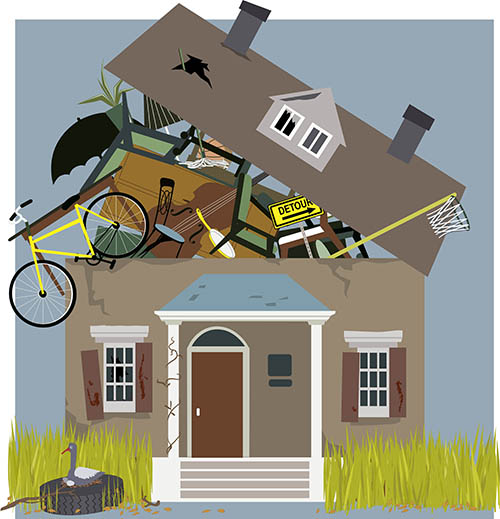
Hoarding
Biomedical Waste Disposal Ashburn
If you're dealing with biomedical waste in Ashburn or anywhere across Georgia, you're likely facing a situation that feels urgent, complex, and maybe even overwhelming. Whether you're a property manager discovering medical waste on your premises, a business owner managing healthcare-related cleanup, or someone handling an estate with biohazard materials, understanding biomedical waste disposal is essential. This guide walks you through what biomedical waste actually is, why proper disposal matters, and how to navigate this process responsibly and safely.
What Is Biomedical Waste and Why It Matters
Biomedical waste-also called medical waste or healthcare waste-includes any material generated during healthcare activities that poses a potential health risk. We're talking about used needles, contaminated bandages, pathological waste, pharmaceutical waste, chemical waste from medical procedures, and sharps that have been exposed to blood or body fluids. The key distinction is that biomedical waste contains pathogens or hazardous materials that standard trash disposal cannot safely handle.
Why does this matter to you? Because improper disposal of biomedical waste can expose people to infectious diseases, create environmental contamination, and violate federal and state regulations. If you're responsible for a property where biomedical waste exists-whether from a crime scene, unattended death, hoarding situation, or medical emergency-you need to understand that this isn't something you handle like regular garbage. The EPA and OSHA have strict guidelines for a reason: protecting public health.
In Ashburn and surrounding areas of Georgia, biomedical waste disposal must follow state-specific protocols. This is why professional biomedical waste disposal services exist. Companies like those operating through econbiohazard.com have the training, equipment, and regulatory knowledge to manage this safely and legally, allowing you to focus on what matters most-your health and recovery.
Types of Biomedical Waste and Classification
Not all biomedical waste is handled the same way. Understanding the different categories helps you recognize what you're dealing with and why professional handling is necessary. Biomedical waste falls into several main categories:
- Sharps Waste: Needles, scalpels, lancets, and other sharp instruments that have contacted blood or body fluids. These require puncture-resistant containers and specialized disposal methods.
- Pathological Waste: Human tissues, organs, body parts, and fluid-soaked materials from medical procedures or autopsies.
- Infectious Waste: Materials contaminated with blood, body fluids, or cultures that may contain pathogens.
- Pharmaceutical Waste: Expired medications, chemotherapy drugs, and other hazardous pharmaceuticals requiring incineration or chemical treatment.
- Chemical Waste: Disinfectants, solvents, and other hazardous chemicals used in medical settings.
Each category requires different containment, labeling, and disposal methods. This is precisely why biomedical waste disposal in Ashburn and across Georgia demands professional expertise. Attempting to classify or dispose of this waste yourself creates health risks and legal exposure. Professional services handle the complete chain of custody, ensuring every item is tracked, properly contained, and disposed of according to EPA and OSHA standards.
The Biomedical Waste Disposal Process
When you contact a professional biomedical waste disposal service, here's what the process typically involves. First comes the assessment: trained specialists evaluate the scope of contamination, identify all biomedical waste materials, and determine the safest approach for your specific situation. This assessment is crucial because it determines what equipment, personnel, and time the job requires.
Next is containment and removal. Biomedical waste must be placed in properly labeled, color-coded, and often rigid containers that prevent leakage and needle-stick injuries. For biomedical waste disposal in Ashburn, professionals use OSHA-compliant containers and follow strict handling protocols. The waste is then transported in specialized vehicles designed to contain potential spills and contamination during transit.
Finally comes the final disposal phase. Depending on the waste type, this typically involves incineration at licensed medical waste facilities, chemical treatment, or other EPA-approved methods. Throughout this entire process, detailed documentation is maintained-this paperwork is critical for liability protection and regulatory compliance. Professional services handle all reporting requirements, giving you peace of mind and a complete audit trail.
Econ Biohazard Services throughout Georgia, with particular focus on Macon and surrounding areas, manages the entire biomedical waste disposal process with 24/7 emergency response capabilities. They understand that situations requiring biomedical waste disposal often carry emotional weight and urgency, and they approach each case with both professional expertise and compassion.
Regulatory Compliance and Your Responsibilities
Here's what you need to know: biomedical waste disposal is regulated at federal, state, and sometimes local levels. The EPA oversees hazardous waste, OSHA regulates bloodborne pathogen exposure, and Georgia has specific requirements for medical waste management. As a property owner or manager, you could face significant fines and legal liability if biomedical waste isn't disposed of properly.
The regulations exist because improper disposal has real consequences: groundwater contamination, exposure of sanitation workers to pathogens, spread of infectious diseases, and environmental damage. When you hire a professional biomedical waste disposal company, you're not just getting a cleanup-you're getting regulatory compliance expertise. These companies stay current with changing regulations, maintain proper certifications, and have the industrial hygiene technology to verify that contamination has been completely removed.
Additionally, if you're filing an insurance claim for the situation that generated biomedical waste-whether it's a crime scene, hoarding cleanup, or death cleanup-having professional documentation of proper disposal strengthens your claim. Insurance adjusters want to see evidence of licensed, compliant work. Professional biomedical waste disposal services provide exactly that documentation.
If you're facing biomedical waste disposal needs in Ashburn or anywhere in Georgia, don't delay. The longer contamination sits, the greater the health risk and the more extensive the remediation becomes. Reach out to a licensed professional who can respond quickly, handle everything properly, and help you navigate this difficult situation with expertise and care.
Frequently Asked Questions
How quickly can biomedical waste disposal be completed in Ashburn?
Professional biomedical waste disposal services in Ashburn typically respond within 30 minutes to one hour for emergency situations and can complete assessment and removal within 24 hours for most cases. The exact timeline depends on the scope of contamination, the types of waste involved, and site accessibility. Urgent situations like crime scenes or unattended deaths are prioritized for immediate response.
What happens if I don't properly dispose of biomedical waste?
Improper biomedical waste disposal violates EPA and OSHA regulations, exposing you to significant fines, legal liability, and potential criminal charges depending on severity. Beyond legal consequences, improper disposal creates genuine health risks-contamination of groundwater, exposure of sanitation workers and the public to pathogens, and spread of infectious diseases. Professional disposal ensures compliance and protects everyone involved.
Will my insurance cover biomedical waste disposal costs in Ashburn?
Many insurance policies cover biomedical waste disposal as part of crime scene cleanup, property remediation, or death cleanup claims, though coverage varies by policy type and provider. Professional biomedical waste disposal companies can assist with insurance billing and provide detailed documentation that strengthens your claim. Contact your insurance provider and a licensed disposal service together to clarify coverage before proceeding.