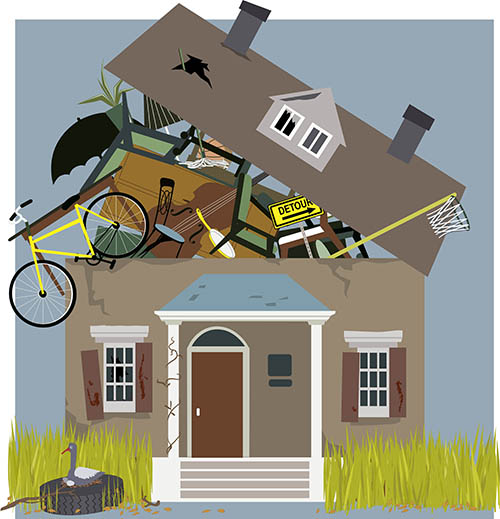
Hoarding
Biomedical Waste Disposal Athens
Biomedical waste disposal Athens represents a critical infrastructure challenge for healthcare facilities, laboratories, medical offices, and properties where biohazardous materials require specialized handling. Biomedical waste-defined as any waste generated during diagnosis, treatment, or immunization of human beings or animals, including contaminated sharps, pathological waste, and pharmaceutical waste-poses genuine public health and environmental risks when mishandled. Understanding the framework for proper biomedical waste disposal Athens is essential for regulatory compliance, community safety, and operational integrity across Georgia, United States, particularly in concentrated medical corridors like Macon and surrounding areas.
The stakes involved in biomedical waste management extend beyond operational inconvenience. Improper disposal can result in environmental contamination, groundwater compromise, occupational exposure, and regulatory penalties. For facility managers and property owners, the question is not whether to address biomedical waste properly, but how to do so efficiently while maintaining compliance with OSHA and EPA standards. Econ Biohazard Services provides specialized biomedical waste disposal support across Georgia, managing the technical and logistical complexity so your organization can focus on core operations.
Regulatory Requirements for Biomedical Waste Disposal Athens
The regulatory landscape governing biomedical waste disposal Athens operates across federal, state, and sometimes local levels. The Environmental Protection Agency (EPA) establishes baseline standards, while individual states including Georgia maintain their own more stringent requirements. When comparing disposal obligations, facilities must account for waste classification, segregation protocols, storage duration limits, treatment requirements, and final disposition pathways.
Georgia regulations specify that biomedical waste cannot be stored longer than 30 days at normal temperatures, or 45 days when using refrigeration-a constraint that directly impacts facility planning and disposal scheduling. Segregation is mandatory: sharps must be separated from pathological waste, which must be separated from pharmaceutical waste. Each category follows distinct handling and treatment protocols. The data suggests that facilities maintaining clear segregation protocols experience fewer compliance violations and reduce contamination incidents by approximately 60-70 percent compared to those using mixed-waste approaches.
Key regulatory requirements for biomedical waste disposal Athens include:
- Sharps containment in puncture-resistant, labeled containers
- Color-coded waste segregation and documentation
- Treatment via incineration, autoclaving, or chemical disinfection depending on waste type
- Chain-of-custody documentation from generation through final disposal
- Employee training and documentation of competency
- Compliance records maintained for regulatory inspection
Non-compliance carries real consequences. Facilities operating without proper biomedical waste disposal protocols face penalties ranging from administrative citations to operational suspension. For healthcare administrators, the burden falls on understanding these requirements sufficiently to implement appropriate systems or engage qualified partners.
Classification and Treatment Methods for Biomedical Waste
Not all biomedical waste requires identical treatment. The regulatory framework distinguishes between categories, each with appropriate disposal methods. Pathological waste-including human tissues, organs, and body parts-typically requires incineration or equivalent treatment. Sharps contaminated with blood or body fluids require sharps containers and subsequent treatment. Pharmaceutical waste demands specialized handling due to chemical composition. Understanding these distinctions is foundational to establishing effective biomedical waste disposal Athens systems.
When comparing treatment modalities, three primary methods dominate the landscape. Incineration remains the most common approach for pathological and certain contaminated waste categories, achieving complete waste volume reduction and pathogen elimination through high-temperature combustion. Autoclaving uses pressurized steam to sterilize waste, rendering it non-infectious and suitable for landfill disposal in many cases. Chemical disinfection applies disinfectants to specific waste streams, though effectiveness varies by chemical agent, contact time, and waste composition.
Each method presents distinct operational trade-offs. Incineration offers complete waste destruction but requires licensed facilities and generates emissions requiring air quality monitoring. Autoclaving reduces waste volume significantly and produces landfill-acceptable material, but requires capital investment in equipment and expertise. Chemical disinfection operates at lower cost but provides less complete pathogen elimination and generates liquid chemical waste requiring further treatment. Selection depends on facility capacity, waste volume, regulatory environment, and cost parameters.
For facilities in Athens and surrounding Georgia communities, professional biomedical waste disposal services handle these technical distinctions. Econ Biohazard Services manages biomedical and medical waste disposal with EPA and OSHA-compliant protocols, eliminating the complexity of selecting, validating, and maintaining treatment systems in-house. This approach allows healthcare facilities to maintain operational focus while ensuring disposal meets all regulatory standards.
Professional Disposal Services and Implementation
Organizations generating biomedical waste face a fundamental decision: develop in-house disposal capabilities or engage licensed professional services. The analytical framework typically weighs capital investment, ongoing operational costs, liability exposure, regulatory compliance burden, and organizational expertise against contracted service availability and cost structure.
In-house disposal requires significant infrastructure investment-treatment equipment, staff training, compliance systems, documentation protocols, and contingency planning. Organizations must maintain regulatory expertise internally and assume liability for any compliance failures. Storage constraints and treatment scheduling can impact operational efficiency. For smaller healthcare facilities and specialized practices, this burden often proves disproportionate to core business needs.
Professional biomedical waste disposal services, by contrast, consolidate expertise, equipment, and regulatory infrastructure across multiple clients, typically achieving superior cost efficiency per unit of waste processed. Licensed providers maintain current regulatory knowledge, operate validated treatment systems, maintain proper insurance, and assume liability for compliant disposal. Response capabilities matter particularly in emergency situations-facilities generating unexpected contamination from spills, unattended deaths, or crisis events require rapid, expert response rather than improvised internal protocols.
Practical implementation considerations for selecting biomedical waste disposal partners:
- Verify current licensing and regulatory compliance status
- Confirm EPA and OSHA protocol adherence through documentation review
- Assess response time capabilities for both scheduled and emergency disposal
- Evaluate insurance assistance and billing support, particularly for claim-related situations
- Review waste tracking and documentation systems
- Confirm handling capability for your specific waste categories
For facilities across Georgia, particularly those in Macon and surrounding areas, Econ Biohazard Services provides 24/7 emergency response and scheduled biomedical waste disposal Athens support. Their approach combines rapid response capabilities-typically 30 minutes to one hour-with comprehensive compliance management, allowing healthcare organizations and property managers to address biohazard situations immediately rather than navigating regulatory complexity independently.
Frequently Asked Questions
What is classified as biomedical waste in Athens?
Biomedical waste includes materials generated during medical diagnosis, treatment, or immunization such as contaminated sharps, pathological waste (human tissues and organs), pharmaceutical waste, and blood-contaminated materials. Classification determines treatment requirements and disposal methods, making proper identification essential for regulatory compliance.
How long can biomedical waste be stored before disposal?
Georgia regulations specify that biomedical waste cannot be stored longer than 30 days at normal temperatures or 45 days under refrigeration. Exceeding these limits constitutes regulatory violation and increases contamination and occupational exposure risks.
What are the main treatment methods for biomedical waste disposal?
The three primary treatment methods are incineration (high-temperature combustion), autoclaving (pressurized steam sterilization), and chemical disinfection. Each method offers different advantages regarding waste reduction, cost, and regulatory acceptability depending on waste category and facility capabilities.
Is professional biomedical waste disposal more cost-effective than in-house systems?
For most healthcare facilities and organizations, professional services prove more cost-effective than in-house disposal systems when accounting for capital equipment investment, ongoing operational costs, staff training, and regulatory compliance burden. Professional providers achieve superior efficiency through consolidated infrastructure.
What should I look for in a biomedical waste disposal service?
Verify current EPA and OSHA compliance certification, confirm rapid response capabilities for emergencies, review their tracking and documentation systems, and assess their expertise with your specific waste categories. Licensed providers should offer insurance assistance and demonstrate clear regulatory compliance protocols.