Hoarding
Biomedical Waste Disposal Atlanta
With years of experience in specialized cleanup and remediation across Georgia, the team at Econ Biohazard Services understands that biomedical waste disposal Atlanta requires far more than standard trash removal. Biomedical waste encompasses any solid waste generated from healthcare settings, laboratories, diagnostic facilities, and trauma cleanup operations that poses potential infectious or hazardous risks. This includes contaminated materials from crime scenes, unattended deaths, medical procedures, and pathological waste. Proper biomedical waste disposal Atlanta isn't simply a regulatory checkbox-it's a critical public health responsibility that protects sanitation workers, the community, and the environment from serious contamination risks.
The consequences of improper biomedical waste handling extend far beyond fines. Inadequate disposal can spread infectious diseases, contaminate groundwater and soil, and create liability exposure for property owners and facility managers. In Georgia, statewide regulations require strict adherence to OSHA and EPA protocols, with particular enforcement in urban centers like Macon and surrounding areas. Understanding these requirements and partnering with certified professionals is essential for anyone managing biohazard contamination.
Regulatory Requirements for Biomedical Waste Disposal Atlanta
Georgia's biomedical waste disposal regulations operate within a framework established by the EPA and enforced by state health departments. These standards dictate how waste must be segregated, contained, treated, and ultimately disposed of based on its hazard classification. The regulations recognize that not all biomedical waste poses identical risks-some materials require incineration, while others can be treated through other approved methods depending on their pathogenic potential.
Healthcare facilities, laboratories, and specialized cleanup providers like Econ Biohazard must maintain detailed documentation of waste generation, treatment, and disposal. This creates an auditable chain of custody that demonstrates compliance. Violation of these protocols can result in substantial fines, operational shutdowns, and criminal liability in cases of gross negligence. Because biomedical waste disposal Atlanta directly affects public health, regulatory agencies maintain strict inspection protocols and expect facility managers to demonstrate current knowledge of evolving standards.
Key regulatory categories include:
- Pathological waste (human tissues, organs, body parts)
- Infectious waste contaminated with blood or body fluids
- Sharps and contaminated needles requiring puncture-resistant containment
- Pharmaceutical waste requiring secure handling and documentation
- Chemical waste from laboratory or medical operations
- Radioactive waste requiring specialized licensed disposal facilities
Each category demands specific packaging, labeling, storage temperature, and disposal methodology. Failure to properly categorize waste during the initial segregation phase creates cascading compliance problems downstream.
Specialized Handling and Treatment Methods
Professional biomedical waste disposal Atlanta involves sophisticated treatment methodologies that render hazardous materials safe for final disposition. Incineration remains the most widely used treatment for most pathological and infectious waste categories, as it eliminates pathogens and reduces waste volume by up to 90 percent. However, incineration requires specialized facilities with air quality controls and EPA emissions monitoring.
Autoclaving-steam sterilization under pressure-represents another approved treatment method for certain waste categories. This process uses saturated steam at temperatures between 250 to 275 degrees Fahrenheit to achieve pathogen elimination, making treated waste safe for standard landfill disposal. For some materials, chemical treatment or microwave processing provides viable alternatives, though not all waste streams qualify for these methods.
Improper biomedical waste handling can spread infectious diseases and create significant liability-which is why professional disposal by certified providers is essential, not optional.
Crime scene cleanup and unattended death remediation generate biomedical waste that requires this same rigorous treatment. When Econ Biohazard Services responds to trauma situations across Georgia, every contaminated material-from absorbent materials to structural materials like drywall-receives proper categorization and treatment. This isn't a shortcut process; it's a comprehensive remediation that addresses both visible contamination and microscopic biohazards.
The disposal phase itself involves licensed waste transporters and permitted treatment facilities. Biomedical waste cannot simply be transported in standard vehicles; it requires specialized containers meeting Department of Transportation standards, trained personnel, and documented chain-of-custody records. Professional providers maintain relationships with licensed treatment facilities and stay current on facility certifications and capacity.
Compliance Documentation and Liability Protection
Perhaps the most overlooked aspect of biomedical waste disposal Atlanta is comprehensive documentation. Every step-from waste generation through final disposal-must be recorded with specific details: waste type, quantity, date generated, treatment method, facility information, and disposal confirmation. This documentation protects facility managers by demonstrating good faith compliance efforts and creates defensible records if regulatory questions arise.
Insurance claim holders and estate executors managing cleanup after death often discover that proper documentation directly impacts their claim reimbursement rates. Insurance companies increasingly require proof that biomedical waste disposal followed approved protocols. When professional cleanup services like those provided across Georgia handle the remediation, they manage this documentation burden and provide clients with comprehensive records suitable for insurance submission.
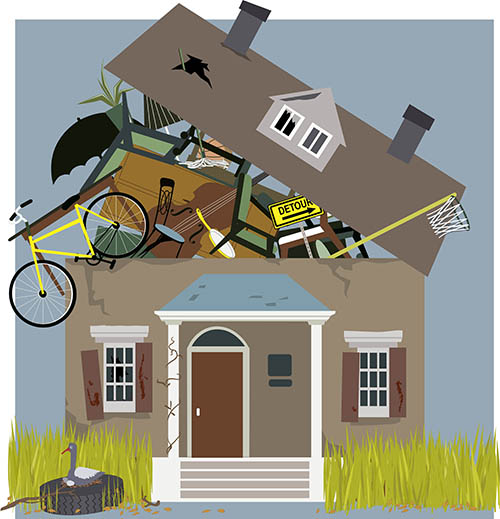
Property managers dealing with hoarding situations that involve biohazard contamination face similar documentation requirements. Even though hoarding cleanup might not generate "medical" waste in the traditional sense, materials contaminated with human waste, infectious agents, or hazardous substances still require proper handling and disposal through approved biomedical waste channels rather than standard municipal waste streams.
The difference between attempting DIY cleanup and professional remediation becomes stark when insurance adjusters review disposal documentation. Improper handling creates not just compliance violations but disqualifies insurance reimbursement entirely. Professional biomedical waste disposal Atlanta services maintain the documentation standards that insurers expect, protecting clients financially and legally.
When facing biohazard contamination, regulatory requirements, or the emotional weight of managing cleanup after tragedy, connecting with certified professionals ensures both immediate health safety and long-term liability protection. Econ Biohazard Services brings this expertise statewide, with particular responsiveness across Macon and surrounding areas, operating with 24/7 emergency availability when time-sensitive situations demand immediate professional intervention.
Frequently Asked Questions
What exactly is considered biomedical waste that requires special disposal?
Biomedical waste includes any solid waste from healthcare facilities, laboratories, or biohazard cleanup operations that contains or is contaminated with blood, body fluids, pathological materials, or infectious agents. This encompasses items like contaminated sharps, human tissues, soiled dressings, diagnostic cultures, and materials from crime scene or unattended death cleanup. Each category requires specific handling protocols based on its pathogenic potential and hazard classification.
Why can't biomedical waste just go into regular trash or municipal landfills?
Biomedical waste contains pathogens and infectious agents that can survive in standard landfills and contaminate groundwater, soil, and potentially spread disease to sanitation workers and the community. EPA and state regulations mandate approved treatment methods like incineration or autoclaving specifically to eliminate these pathogens before any final disposal. Regular trash disposal of biomedical waste violates federal law and creates genuine public health risks.
How long can biomedical waste be stored on-site before it must be disposed of?
Storage time limits vary by waste type and state regulations, but generally biomedical waste should not be stored longer than 30 days in normal conditions, with shorter timeframes for certain categories like sharps. Warm climates and specific waste types may require faster disposal. Professional waste management services handle storage compliance and arrange timely treatment, eliminating this burden from facility managers.
Who is responsible for proper biomedical waste disposal-the generator or the disposal company?
The waste generator (healthcare facility, property owner, or cleanup service) maintains primary responsibility for ensuring proper disposal throughout the entire chain. However, using certified professional disposal services creates documented accountability and transfers operational liability to licensed providers. This shared responsibility framework protects generators while ensuring qualified expertise manages every disposal phase.