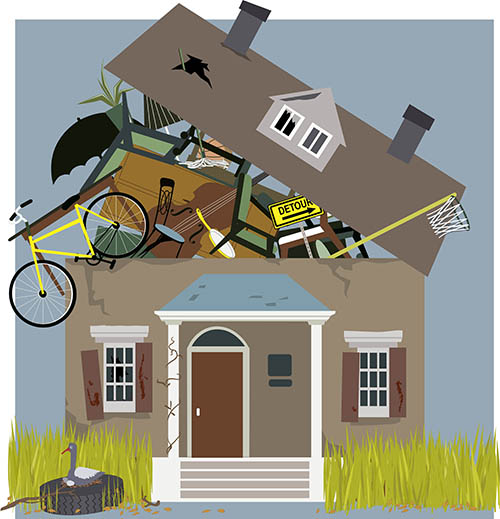
Hoarding
Biomedical Waste Disposal Avondale Estates
With years of experience in specialized cleanup and remediation across Georgia, the team at Econ Biohazard Services understands the critical importance of proper biomedical waste disposal in Avondale Estates and surrounding communities. Biomedical waste-including contaminated sharps, pathological materials, and infectious substances-requires strict adherence to federal and state regulations. Whether you're managing a healthcare facility, medical office, laboratory, or handling cleanup after a biohazard event, choosing the right disposal method and partner is essential for legal compliance, public safety, and environmental protection.
Understanding Biomedical Waste Categories and Disposal Requirements
Biomedical waste encompasses multiple distinct categories, each with specific disposal protocols. Sharps waste includes needles, scalpels, and other piercing instruments and must be placed in puncture-resistant containers. Pathological waste consists of human tissues, organs, and body parts requiring incineration or alternative treatment. Pharmaceutical waste involves expired or unused medications and chemotherapy agents. Infectious waste includes materials contaminated with blood or bodily fluids. Chemical waste from laboratory operations requires specialized containment and treatment.
In Avondale Estates and across Georgia, biomedical waste disposal must comply with EPA regulations (40 CFR Part 259), Georgia Department of Natural Resources rules, and OSHA bloodborne pathogen standards. Non-compliance creates significant liability exposure: facilities face penalties ranging from thousands to hundreds of thousands of dollars, plus potential criminal charges for improper handling. This is why professional biomedical waste disposal in Avondale Estates through licensed providers is not optional-it's a regulatory mandate.
Improper biomedical waste disposal exposes your facility, staff, and community to serious infections and creates legal liability that extends far beyond cleanup costs. Professional compliance eliminates this risk entirely.
Disposal Methods: Incineration vs. Alternate Treatment Technologies
Traditional incineration remains the most common method for biomedical waste disposal in Avondale Estates and throughout Georgia. High-temperature incineration (above 1800 degrees Fahrenheit) destroys pathogens and renders waste unrecognizable and non-hazardous. However, incineration generates air emissions requiring permitted facilities and regular monitoring. Transportation to off-site incinerators adds time and logistics complexity.
Alternative treatment technologies have gained traction as viable options. Autoclave sterilization uses pressurized steam to kill microorganisms and reduce waste volume, making it suitable for certain waste streams. Microwave treatment and chemical disinfection serve specific applications. Plasma gasification and other emerging methods offer lower environmental impact but higher operational costs. For biomedical waste disposal Avondale Estates facilities, the choice depends on waste composition, facility capabilities, regulatory approval, and cost considerations.
When trauma, crime scenes, or unattended death cleanup occurs in Avondale Estates, the biomedical waste generated-including contaminated materials and sharps-must follow the same rigorous disposal standards. Econ Biohazard Services handles this specialized aspect of remediation, ensuring every contaminated item is properly categorized, containerized, and disposed through compliant channels.
| Disposal Method | Best For | Advantages | Limitations |
|---|---|---|---|
| Incineration | All biomedical waste types | Destroys all pathogens; reduces volume significantly | Requires permitted facility; emissions monitoring; transportation delays |
| Autoclave Sterilization | Non-hazardous infectious waste | On-site treatment; faster processing; lower cost | Limited to certain waste categories; less effective for sharps and pathological materials |
| Microwave Treatment | Specific infectious materials | Compact equipment; reduces volume; faster than incineration | Not suitable for all waste types; secondary disposal often required |
| Chemical Disinfection | Liquid waste and certain solids | Controlled process; reduced emissions | Requires chemical storage; specialized training; residual chemical disposal |
Comparing In-House vs. Professional Biomedical Waste Disposal Services
Some larger medical facilities maintain on-site treatment equipment and staff for biomedical waste disposal. This approach offers control and potentially lower per-unit costs at high volumes. However, it requires significant capital investment in equipment, training, permits, and ongoing maintenance. Staff must receive specialized certification. The facility assumes all regulatory liability and must manage storage, treatment, documentation, and contingency planning.
Professional biomedical waste disposal in Avondale Estates through licensed providers transfers this burden to experts. You gain access to compliant treatment infrastructure, regulatory expertise, trained personnel, and documented chain-of-custody procedures. Most facilities find professional services more economical than maintaining in-house capabilities, particularly for lower-volume waste streams. Response times are faster, and liability exposure drops dramatically because the disposal company carries appropriate insurance and regulatory compliance responsibility.
For trauma cleanup and biohazard remediation in Georgia, professional management is non-negotiable. Econ Biohazard Services coordinates the entire process-from contaminated material identification and safe removal through final disposal-ensuring nothing falls through regulatory cracks while families and property owners focus on recovery.
Selecting the Right Biomedical Waste Disposal Partner in Avondale Estates
When evaluating biomedical waste disposal companies serving Avondale Estates and Macon-area communities, several criteria matter. Verify state licensing and EPA/OSHA compliance certifications. Confirm they maintain current permits for their treatment and disposal methods. Ask about their documented procedures for segregation, storage, transport, and final treatment. Strong providers maintain detailed records and can produce compliance documentation for audits.
Response time and reliability are critical, especially in urgent situations. Some providers offer 24/7 availability because biohazard events don't follow business hours. Insurance billing assistance matters too-reputable companies understand how to work with your insurance claim processes, reducing out-of-pocket costs. References from other facilities and documented safety records reveal operational integrity.
The expertise gap is real. Biomedical waste disposal isn't simply "throw it away"-it's a specialized compliance field where mistakes create cascading consequences. Professional providers like those at Econ Biohazard Services bring that specialized knowledge statewide, with particular emphasis on serving Macon and surrounding areas including Avondale Estates. They understand Georgia's specific regulatory environment and maintain relationships with approved disposal facilities.
What exactly counts as biomedical waste requiring special disposal?
Biomedical waste includes sharps (needles, scalpels), pathological materials (human tissues and organs), blood-soaked items, infectious cultures, pharmaceutical waste, and any material contaminated with blood or bodily fluids. Any item that poses a potential infection risk to handlers or the public requires biomedical waste disposal protocols-it cannot go in regular trash. When in doubt, treat it as biomedical waste to ensure compliance.
How much does biomedical waste disposal in Avondale Estates typically cost?
Costs vary based on waste volume, type, and treatment method, typically ranging from a few hundred dollars monthly for small medical offices to several thousand for larger facilities. Professional disposal services factor in collection container costs, transportation, treatment, documentation, and compliance management. While professional services have upfront costs, they eliminate liability exposure and regulatory fines that would far exceed disposal fees.
Can we dispose of biomedical waste in a regular medical incinerator?
Not all incinerators are permitted for biomedical waste. Medical incinerators must be specifically licensed and designed to reach sufficient temperatures with proper emissions controls to meet EPA and Georgia standards. Attempting to incinerate biomedical waste in unpermitted equipment violates federal law and creates serious environmental and health risks. Only use facilities with explicit biomedical waste treatment permits.
Who is responsible if biomedical waste disposal is done improperly?
The generating facility-the medical office, laboratory, or organization producing the waste-retains primary responsibility for proper disposal regardless of who performs it. This is why choosing a compliant, licensed disposal partner is critical. You're liable for their practices, so verify credentials thoroughly and maintain documentation of their licenses and compliance certifications.
Internal Link Recommendations
The following related services may benefit your situation:
- Professional biohazard cleanup service for comprehensive contamination remediation
- Statewide biomedical waste disposal for facility-wide compliance needs
Frequently Asked Questions
What exactly counts as biomedical waste requiring special disposal?
Biomedical waste includes sharps (needles, scalpels), pathological materials (human tissues and organs), blood-soaked items, infectious cultures, pharmaceutical waste, and any material contaminated with blood or bodily fluids. Any item that poses a potential infection risk to handlers or the public requires biomedical waste disposal protocols-it cannot go in regular trash. When in doubt, treat it as biomedical waste to ensure compliance.
How much does biomedical waste disposal in Avondale Estates typically cost?
Costs vary based on waste volume, type, and treatment method, typically ranging from a few hundred dollars monthly for small medical offices to several thousand for larger facilities. Professional disposal services factor in collection container costs, transportation, treatment, documentation, and compliance management. While professional services have upfront costs, they eliminate liability exposure and regulatory fines that would far exceed disposal fees.
Can we dispose of biomedical waste in a regular medical incinerator?
Not all incinerators are permitted for biomedical waste. Medical incinerators must be specifically licensed and designed to reach sufficient temperatures with proper emissions controls to meet EPA and Georgia standards. Attempting to incinerate biomedical waste in unpermitted equipment violates federal law and creates serious environmental and health risks. Only use facilities with explicit biomedical waste treatment permits.
Who is responsible if biomedical waste disposal is done improperly?
The generating facility-the medical office, laboratory, or organization producing the waste-retains primary responsibility for proper disposal regardless of who performs it. This is why choosing a compliant, licensed disposal partner is critical. You're liable for their practices, so verify credentials thoroughly and maintain documentation of their licenses and compliance certifications.