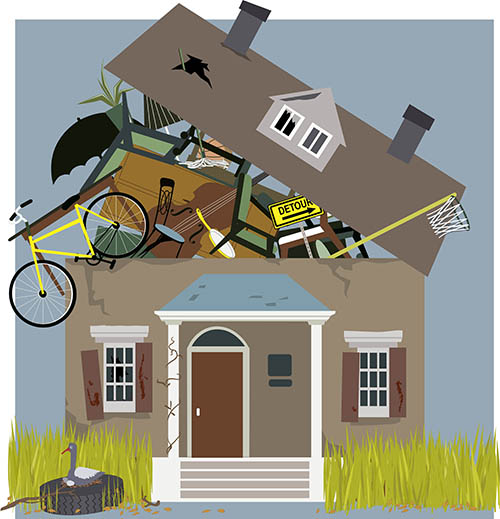
Hoarding
Biomedical Waste Disposal Buford
Understanding biomedical waste disposal starts with recognizing that hazardous medical materials require specialized handling, not standard trash collection. At Econ Biohazard Services, we provide comprehensive biomedical waste disposal in Buford and throughout Georgia with the expertise, equipment, and regulatory compliance that protects your health, your property, and your peace of mind. Whether you're managing a facility, responding to a biohazard incident, or cleaning up after a medical event, proper disposal isn't optional-it's essential. Let's explore what biomedical waste disposal actually involves and why professional handling matters.
What Exactly Is Biomedical Waste and Why Does It Need Special Disposal?
Biomedical waste includes any material contaminated with blood, bodily fluids, or pathogenic organisms. This category encompasses sharps (needles, scalpels), contaminated textiles, medical devices, anatomical waste, and surfaces exposed to infectious agents. Unlike regular trash, biomedical waste can transmit serious infections-hepatitis B, hepatitis C, HIV, and other bloodborne pathogens-if mishandled during removal or disposal.
The reason biomedical waste disposal in Buford requires specialized handling is straightforward: improper disposal exposes sanitation workers, the public, and the environment to genuine health risks. EPA and OSHA regulations exist specifically to create barriers between contaminated materials and human contact. When you choose professional biomedical waste disposal, you're not paying for convenience-you're paying for trained technicians who understand containment protocols, proper segregation, and safe transport methods that prevent cross-contamination.
How Does Professional Biomedical Waste Disposal Differ From Standard Cleanup?
Standard cleaning removes visible dirt and debris. Biomedical waste disposal removes or neutralizes microscopic hazards that can persist for months or years on surfaces. The difference lies in methodology and certification.
Professional biomedical waste disposal services like those at Econ Biohazard use industrial-grade disinfectants, specialized equipment, and documented protocols that align with OSHA and EPA standards. Technicians assess contamination extent, determine appropriate containment and removal methods, and apply EPA-registered disinfectants that kill pathogens on contact. Documentation is thorough-because regulatory agencies and insurance companies require proof that disposal met legal standards. When you hire for biomedical waste disposal in Buford, you're getting a chain of custody, not just a cleanup crew.
| Aspect | Standard Cleaning | Professional Biomedical Waste Disposal |
|---|---|---|
| Contamination Assessment | Visual inspection only | Industrial hygiene evaluation with documentation |
| Disinfectant Type | Household cleaners | EPA-registered pathogen-specific agents |
| PPE Requirements | Basic gloves | Full protective equipment (respirators, suits, booties) |
| Waste Segregation | Not performed | Sharps, infectious, and non-hazardous materials separated |
| Compliance Documentation | None | Detailed records for regulatory and insurance verification |
| Response Time | Variable | 24/7 emergency availability, 30-60 minute response |
When Do You Actually Need Biomedical Waste Disposal Services?
Biomedical waste disposal becomes necessary after crime scenes, unattended deaths, medical emergencies, hoarding situations where biohazards accumulate, infectious disease outbreaks, or anywhere bodily fluids or medical waste creates contamination. Many people assume only hospitals need this service. That's incorrect. Residential settings, vehicles, businesses, and outdoor areas can all require professional biomedical waste disposal.
A common scenario: a family discovers an unattended death and contacts law enforcement. After the initial investigation, the space remains contaminated. Standard cleaning won't address bloodborne pathogen exposure. This is where professional biomedical waste disposal in Buford becomes critical. Similarly, hoarding situations often involve biological hazards-animal waste, decomposition, mold-that pose genuine health risks requiring specialized remediation beyond standard cleanup.
Property managers, insurance claim handlers, and estate executors frequently contact services like Econ Biohazard because they recognize that untrained attempts to address biohazards create liability. One exposure incident costs far more than preventive professional disposal.
What's the Process From Initial Contact to Final Verification?
Understanding the biomedical waste disposal process reduces anxiety and builds confidence in the service. Here's how professional remediation typically unfolds:
- Initial Assessment: Technicians evaluate contamination type, extent, and location. This determines which removal method and disinfectant protocol applies.
- Containment: Work areas are sealed to prevent cross-contamination. Negative air pressure systems may be deployed for larger spaces.
- Removal: Contaminated materials-carpeting, drywall, soft furnishings-are carefully segregated into appropriate waste categories (sharps, infectious, pathological).
- Disinfection: EPA-registered disinfectants are applied systematically, with contact time verified to ensure pathogen destruction.
- Waste Transport: Materials meeting biomedical waste disposal criteria are transported to licensed treatment facilities with full documentation.
- Final Verification: Post-remediation clearance confirms the space is safe for reoccupancy.
Throughout Georgia, and especially in the Macon area and surrounding regions like Buford, response time matters when contamination poses health risks. Econ Biohazard's 24/7 availability means biomedical waste disposal begins quickly, limiting ongoing exposure and allowing families or property managers to move forward with restoration.
Why Professional Biomedical Waste Disposal Protects You Beyond the Immediate Cleanup
Choosing licensed biomedical waste disposal services protects you legally and financially. When property damage occurs alongside biohazard contamination, insurance claims often hinge on documented professional remediation. Insurers require proof that cleanup met regulatory standards-informal cleanup creates claim denial risk.
Additionally, improper biomedical waste disposal can result in regulatory fines, liability exposure if someone becomes ill post-cleanup, and civil liability in some cases. Licensed biomedical waste disposal providers carry appropriate insurance and maintain documented protocols that demonstrate due diligence if questions arise later.
Emotionally, professional biomedical waste disposal removes the burden of deciding what's safe to touch, how to decontaminate properly, and whether you've accomplished complete remediation. Families and property managers can focus on healing, restoration, and moving forward while trained technicians handle the technical and emotional weight of cleanup. That separation is invaluable during crisis situations.
Frequently Asked Questions
What types of materials count as biomedical waste requiring special disposal?
Biomedical waste includes materials contaminated with blood or bodily fluids, such as sharps (needles and scalpels), contaminated textiles and dressings, medical devices, pathological waste from surgeries or autopsies, and any surfaces exposed to infectious agents. Anything potentially carrying bloodborne pathogens requires professional biomedical waste disposal rather than standard trash collection.
Is biomedical waste disposal in Buford required by law, or is it optional?
Biomedical waste disposal is mandated by EPA and OSHA regulations for any biohazard material. Improper disposal violates federal environmental and occupational safety standards and can result in significant fines. Professional biomedical waste disposal ensures your facility or property remains compliant with all applicable regulations.
How long does biomedical waste disposal typically take?
Assessment and initial containment usually require 1-2 hours, while full disinfection and waste removal varies based on contamination extent-typically completing within one to three days for residential situations. Complex or large-scale biomedical waste disposal may require longer, but professional teams like Econ Biohazard prioritize rapid response given the health risks involved.
Can I dispose of biomedical waste myself to save money?
Attempting DIY biomedical waste disposal creates serious health, legal, and financial risks. Untrained handling risks bloodborne pathogen exposure, regulatory violations with substantial penalties, and potential liability if someone becomes ill. Professional biomedical waste disposal costs less than one exposure incident or regulatory fine.
Does insurance cover professional biomedical waste disposal?
Many insurance policies cover biomedical waste disposal as part of property damage claims, particularly when related to death, crime scenes, or unattended incidents. Insurance companies often require professional remediation for claim approval. Econ Biohazard assists with insurance billing to maximize your coverage and reduce out-of-pocket costs.
What's the difference between biomedical waste disposal and standard biohazard cleanup?
Standard biohazard cleanup removes visible contamination and disinfects affected areas. Biomedical waste disposal includes proper segregation, containment, and transport of hazardous materials to licensed treatment facilities with complete regulatory documentation. Professional biomedical waste disposal is the comprehensive solution addressing both visible and regulatory requirements.