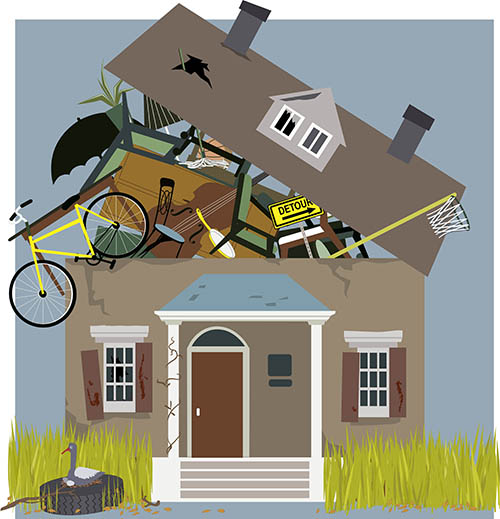
Hoarding
Biomedical Waste Disposal Clinchfield
Biomedical waste disposal in Clinchfield requires compliance with both federal EPA regulations and Georgia Department of Public Health standards. This specialized waste stream-generated by healthcare facilities, laboratories, veterinary clinics, and trauma cleanup operations-demands precise handling, documentation, and treatment protocols to protect public health and environmental integrity. Understanding the technical differences between disposal methods helps property managers, healthcare administrators, and families understand what professional remediation entails when working with companies like Econ Biohazard Services across Georgia.
Biomedical waste encompasses pathological waste (human tissues, organs), infectious waste (blood-soaked materials, contaminated sharps), pharmaceutical waste, and chemical waste from laboratory or medical procedures. Each category requires distinct treatment before final disposal. The challenge intensifies in situations involving unattended deaths, crime scenes, or hoarding environments where biohazard contamination spreads across surfaces, textiles, and structural materials-contexts where Econ Biohazard's 24/7 emergency response capabilities in Macon and surrounding areas become essential.
Treatment and Disposal Methods for Biomedical Waste
Three primary treatment pathways exist for biomedical waste disposal in Clinchfield and throughout Georgia: autoclaving, chemical treatment, and incineration. Each method has specific applications, regulatory standing, and effectiveness profiles.
Autoclaving uses high-pressure steam at temperatures between 250-275 degrees Fahrenheit for 30-45 minutes to sterilize waste materials. This method is OSHA-compliant and effective for most infectious materials, contaminated sharps containers, and surgical waste. After autoclaving, the sterilized material can enter standard municipal solid waste streams. The advantage lies in cost-efficiency and minimal environmental impact-no harmful emissions are generated. However, autoclaving cannot treat pharmaceutical waste, chemotherapy materials, or certain radioactive biological waste.
Chemical disinfection employs EPA-approved disinfectants and oxidizing agents to neutralize biological contaminants. This approach works well for liquid waste, small contamination areas, and situations where physical waste removal isn't feasible-such as decontaminating structures after crime scenes or unattended deaths. Biomedical waste disposal in Clinchfield frequently uses chemical treatment as the first-response method before final material disposition. Response times matter critically; Econ Biohazard Services averages 30 minutes to one hour for initial assessment and containment.
Incineration involves controlled combustion at temperatures exceeding 1800 degrees Fahrenheit, reducing biomedical waste to ash while destroying all infectious agents and pathogens. Licensed medical waste incineration facilities handle pathological waste, contaminated sharps, and pharmaceutical materials that cannot be treated by other methods. While highly effective, incineration requires specialized infrastructure and regulatory permits-not all regions maintain active medical waste incinerators.
"Professional biomedical waste disposal requires more than containment; it demands documented proof of treatment, chain-of-custody records, and final disposition verification to meet EPA and state regulatory requirements."
Compliance Framework and Documentation Standards
Biomedical waste disposal in Clinchfield must follow the Medical Waste Management Law and OSHA Bloodborne Pathogens Standard (29 CFR 1910.1030). These regulations mandate segregation of waste types, use of appropriate containment (sharps containers, biohazard bags marked with universal symbols), and trained personnel handling all materials.
Georgia-licensed biohazard remediation companies maintain documentation including waste manifests, treatment certificates, and final disposition reports. This paperwork protects property owners and healthcare facilities from regulatory violations and liability exposure. Insurance billing assistance-a service provided by professional firms across Georgia-relies entirely on this documentation. Without proper records, claims face denial or significant delays.
The distinction between standard cleaning and professional biomedical waste disposal is regulatory enforceability. A standard cleaning contractor cannot legally handle bloodborne pathogens or infectious materials. Only OSHA-trained, licensed professionals can perform these services. This legal separation exists because improper handling creates occupational hazards for cleanup staff and persistent contamination risks for property occupants.
Selection Criteria and Recommendations
Choosing appropriate biomedical waste disposal methods depends on contamination type, material composition, facility infrastructure, and regulatory context. Crime scene cleanup and unattended death remediation typically employ a multi-method approach: initial chemical disinfection of surfaces, physical removal of contaminated materials, and coordination with licensed medical waste processors for final disposition of sharps and pathological materials.
For property managers and families managing these situations in Macon or surrounding areas, professional engagement eliminates guesswork. Econ Biohazard Services provides assessment, method selection, treatment execution, and regulatory documentation-transforming overwhelming circumstances into managed processes with transparent expertise. The compassionate, no-nonsense approach acknowledges emotional weight while delivering technical precision that protects both people and property.
Frequently Asked Questions
What is considered biomedical waste requiring professional disposal?
Biomedical waste includes blood-soaked materials, human tissues, contaminated sharps (needles, scalpels), infectious cultures, pharmaceutical waste, and items from trauma cleanup situations. Any material containing bloodborne pathogens or infectious agents requires professional treatment before standard disposal.
Is autoclaving sufficient for all biomedical waste disposal in Clinchfield?
Autoclaving effectively sterilizes most infectious materials and contaminated sharps but cannot treat pharmaceutical waste, chemotherapy materials, or certain pathological specimens. A comprehensive disposal approach often combines autoclaving with chemical treatment or incineration depending on waste composition.
What happens to biomedical waste after treatment?
After treatment through autoclaving or chemical disinfection, sterilized materials enter standard municipal solid waste streams for landfill disposal. Incinerated waste becomes ash. Professional disposal companies provide chain-of-custody documentation proving all treatment steps comply with EPA and Georgia regulations.
How quickly can biomedical waste disposal services respond in Clinchfield?
Professional biohazard remediation services typically respond within 30 minutes to one hour of initial contact, depending on location and circumstances. Rapid response prevents secondary contamination and allows faster property restoration and recovery.
Do insurance policies cover professional biomedical waste disposal?
Many homeowner and commercial insurance policies cover biohazard cleanup and professional waste disposal, particularly following unattended deaths or crime scenes. Licensed cleanup companies provide insurance billing assistance and proper documentation to support claim processing.
What makes chemical disinfection effective for biomedical waste disposal?
Chemical disinfection uses EPA-approved oxidizing agents and antimicrobial compounds to destroy bloodborne pathogens and infectious agents on surfaces and in materials. This method works quickly in contaminated structures and is OSHA-compliant when applied by trained professionals with proper containment protocols.