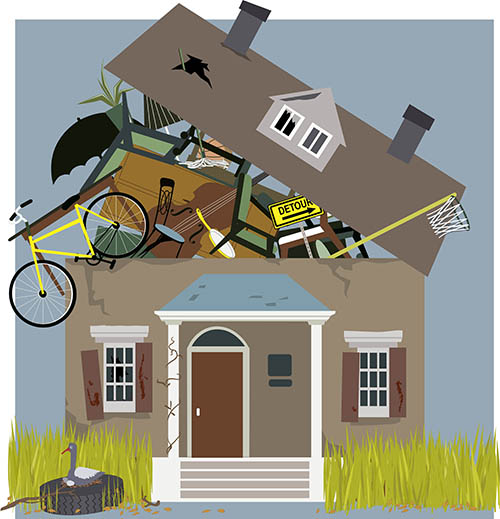
Hoarding
Biomedical Waste Disposal Cobb
If you're dealing with biomedical waste disposal in Cobb County or the surrounding areas of Georgia, you're likely facing questions about regulations, safety, and where to turn for professional help. Whether you're a healthcare facility, a family managing medical equipment at home, or a property dealing with biohazard contamination, understanding biomedical waste disposal is essential. This guide walks you through what matters most, so you can make informed decisions and ensure compliance while protecting your community.
1. What Counts as Biomedical Waste?
Biomedical waste isn't just one thing - it's a category that includes several types of potentially infectious or hazardous materials. You'll find items like contaminated sharps (needles, scalpels), pathological waste (tissues, organs), pharmaceutical waste, and blood-soaked materials all falling under this umbrella. Understanding what qualifies as biomedical waste helps you segregate materials correctly and prevents cross-contamination during disposal.
In Cobb County and across Georgia, the definition follows EPA and OSHA guidelines, which means any material that may contain infectious agents or could pose a biohazard requires specialized handling. This includes waste from medical offices, laboratories, dental practices, and even residential settings where medical care occurs. If you're unsure whether something qualifies, it's always safer to treat it as biomedical waste and consult a professional.
2. Regulatory Compliance Is Non-Negotiable
Biomedical waste disposal in Cobb is governed by strict state and federal regulations. You can't simply place medical waste in your regular trash or recycling bin - doing so creates legal liability and health risks. Georgia's Department of Public Health and the EPA have specific protocols for how biomedical waste must be segregated, stored, transported, and ultimately disposed of or incinerated.
Non-compliance isn't a minor issue. Fines, legal action, and damage to your facility's reputation can result from improper handling. Property managers, business owners, and healthcare facilities need to ensure their waste management practices align with current regulations. This is where professional services become invaluable - companies like Econ Biohazard Services in Georgia understand these requirements intimately and handle the complexity for you, ensuring your operation stays compliant while you focus on your core responsibilities.
3. Storage and Containment Requirements Matter
Once biomedical waste is generated, how you store it becomes critical. Materials must be placed in clearly labeled, leak-proof containers that prevent spillage and limit exposure. Temperature, humidity, and storage duration all affect how long waste can safely remain on-site before it requires disposal. You typically cannot store biomedical waste for extended periods - most regulations specify limits ranging from days to weeks depending on the waste type and conditions.
Improper storage creates several problems: cross-contamination spreads infectious agents, pests are attracted to unsecured materials, and staff or visitors face exposure risks. Your storage area should be secure, clearly marked, and separate from food preparation areas or regular foot traffic. This is especially important in healthcare settings, offices, and residential environments where vulnerable people may be present.
4. Transportation Requires Specialized Training and Vehicles
Once biomedical waste is ready for disposal, transporting it isn't something you can hand to just anyone with a truck. Specialized vehicles, trained personnel, and proper documentation are required. The waste must remain in secure, labeled containers throughout transport, and drivers need training in biohazard awareness and emergency response. This prevents spills, exposures, and contamination during transit through Cobb County neighborhoods and across Georgia.
Professional disposal services handle this logistics burden entirely. They maintain compliant vehicles, train their staff regularly, and keep detailed records proving proper handling. This protects you legally and ensures waste reaches the appropriate final disposition facility without incident.
5. Final Disposal Options Vary by Waste Type
Not all biomedical waste ends the same way. Many types require incineration at licensed facilities, while some materials can be autoclaved (steam-sterilized) and then disposed of as regular waste. Pharmaceutical waste often has different requirements than pathological waste. Understanding which disposal method applies to your waste stream ensures it's handled correctly and reduces environmental impact.
Georgia has licensed incineration facilities and treatment centers equipped to handle biomedical waste properly. These facilities operate under strict emissions controls and environmental monitoring. Choosing the right disposal path requires knowledge of regulations and facility capabilities - another reason partnering with established services streamlines the process and removes guesswork.
6. Documentation and Record-Keeping Protect You Legally
Every step of biomedical waste management should be documented. From the moment waste is generated until it reaches final disposal, records create an audit trail proving compliance. You need to track:
- Waste generation dates and types
- Storage locations and duration
- Transport dates and destinations
- Final disposition certificates from treatment facilities
This documentation isn't just bureaucratic - it's your legal protection. If an inspection occurs or a question arises about how waste was handled, clear records demonstrate you followed proper procedures. Professional services maintain these records for you, so you always have proof of compliance ready when needed.
7. Professional Services Save Time, Money, and Stress
Managing biomedical waste disposal in Cobb County on your own means staying current with regulations, maintaining proper storage, arranging compliant transportation, and handling documentation. For many businesses, this becomes a distraction from their primary mission. Professional biomedical waste disposal services eliminate these burdens by handling every step using established protocols and trained staff.
Beyond convenience, professional services often reduce costs through efficient logistics and relationships with disposal facilities. They respond quickly - sometimes within 30 minutes to an hour in emergency situations - and provide the expertise to handle unexpected contamination or biohazard cleanup situations. Whether you're managing routine medical waste or facing a trauma cleanup scenario, turning to established professionals like those serving Georgia statewide with particular emphasis on Macon and surrounding areas ensures safety, compliance, and peace of mind.
Frequently Asked Questions
How often does biomedical waste disposal need to happen in Cobb County?
The frequency depends on your waste volume and storage capacity, but regulations typically limit how long biomedical waste can remain on-site - usually between 7 to 90 days depending on storage conditions and waste type. High-volume generators may need weekly or bi-weekly pickups, while smaller operations might manage with monthly service. A professional waste disposal company can assess your specific needs and establish a schedule that keeps you compliant.
What happens if biomedical waste is disposed of improperly?
Improper disposal creates serious consequences including regulatory fines, legal liability, environmental contamination, and potential spread of infectious disease. Facilities can face citations, operational shutdowns, and damage to their reputation. This is why professional services and proper compliance matter - they prevent these costly and harmful outcomes while protecting staff, patients, and your community.
Can biomedical waste disposal be handled by regular waste management companies?
No. Regular waste management companies are not licensed or equipped to handle biomedical waste. Only specialized biohazard and biomedical waste disposal services have the proper training, vehicles, containers, and connections to licensed treatment facilities. Using unqualified providers violates regulations and puts people at risk.