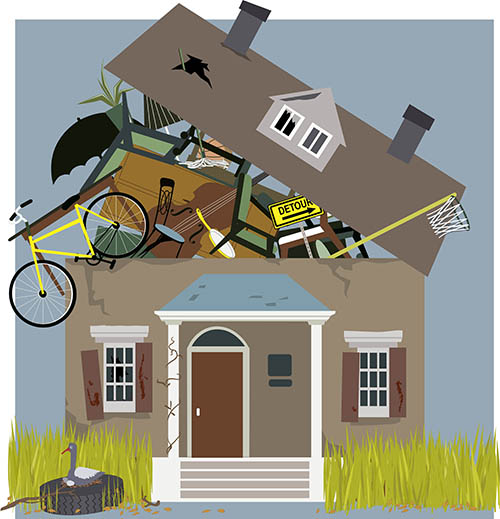
Hoarding
Biomedical Waste Disposal Columbus
With years of experience in specialized biohazard remediation across Georgia, the professionals at econbiohazard.com understand that biomedical waste disposal Columbus facilities and property owners face complex regulatory challenges. Whether you're managing a healthcare facility, research laboratory, or property contaminated with biological materials, proper biomedical waste disposal Columbus protocols aren't optional-they're a legal and ethical requirement. This guide addresses the most pressing questions we hear from clients about safe, compliant waste management and remediation services.
What Exactly Qualifies as Biomedical Waste That Requires Professional Disposal?
Biomedical waste encompasses any solid or liquid material that may contain infectious agents, blood, bodily fluids, pathological materials, or pharmaceutical residues. The scope is broader than many realize. This includes sharps (needles, scalpels, broken glass), cultures and stocks of microorganisms, pathological waste from surgeries or autopsies, isolation waste from infectious disease patients, and expired or contaminated pharmaceuticals.
Professional biomedical waste disposal Columbus services categorize these materials because different types require different treatment methods. Blood-soaked materials might need chemical disinfection or incineration, while sharps require secure containment and specialized processing. At econbiohazard.com, we've developed systems across Georgia, with particular focus on Macon and surrounding areas, that ensure every material type receives appropriate handling. Misclassifying or mishandling biomedical waste creates liability exposure and health risks to staff and the community.
Why Can't We Just Throw Biomedical Waste in Regular Trash?
Biomedical waste mixed with regular municipal waste creates cascading problems for sanitation workers, waste facility operators, and the public. When infectious materials reach landfills or incinerators unprepared, workers face needlestick injuries, exposure to pathogens, and potential disease transmission. Additionally, improper disposal contaminates soil and groundwater, affecting broader community health.
Federal OSHA and EPA regulations mandate that biomedical waste receive specialized treatment before final disposal. The regulations exist because decades of occupational illness, needlestick injuries, and environmental contamination documented the real costs of casual handling. Professional biomedical waste disposal Columbus services manage this chain of custody through segregation at the point of generation, secure transport, treatment (whether incineration, chemical disinfection, or autoclaving), and documentation. We maintain full compliance with these standards because cutting corners isn't cost-effective-it's dangerous and illegal.
What Does the Professional Biomedical Waste Disposal Process Look Like?
A comprehensive approach to biomedical waste disposal involves several critical steps:
- Segregation and containment at the source (preventing cross-contamination)
- Use of approved, puncture-resistant containers clearly marked with biohazard symbols
- Secure storage in designated areas separate from regular waste streams
- Chain-of-custody documentation tracking every batch
- Transport by licensed haulers in leak-proof vehicles
- Treatment through approved methods (incineration, chemical disinfection, or autoclaving depending on waste type)
- Verification records maintained for regulatory audits
When we handle biomedical waste disposal in Columbus or anywhere across Georgia, our team performs industrial hygiene assessments to identify all waste streams, design containment protocols specific to your facility, train your staff on proper handling, and manage the entire disposal pipeline. This systematic approach prevents the situation where a single improperly handled batch compromises an entire operation.
How Does Professional Biomedical Waste Disposal Differ from General Biohazard Cleanup?
While related, these services address different scenarios. Biomedical waste disposal Columbus ordinarily handles ongoing institutional waste-the routine sharps, cultures, and contaminated materials from hospitals, clinics, research labs, and pharmaceutical operations. This is planned, anticipated, and regulated through standing protocols.
Biohazard cleanup services address acute contamination events: crime scenes, unattended deaths, hoarding situations, or disease outbreaks requiring emergency response and extensive remediation. The professionals at econbiohazard.com handle both. When a medical facility experiences a spill or contamination beyond routine waste protocols, or when a property requires full decontamination and disinfection, we deploy specialized teams with 24/7 availability, averaging response times of 30 minutes to one hour throughout Georgia.
What ties both services together is our commitment to OSHA and EPA compliance, industrial hygiene expertise, and the understanding that proper handling protects public health. Whether you're establishing a regular biomedical waste disposal Columbus program for a clinic or managing emergency remediation after a traumatic event, the underlying principle is identical: biological hazards demand professional treatment.
Frequently Asked Questions
What regulations govern biomedical waste disposal in Columbus and throughout Georgia?
Biomedical waste disposal is regulated by federal OSHA standards, EPA guidelines, and Georgia Department of Environmental Protection rules. These regulations mandate segregation, labeling with biohazard symbols, use of approved containers, secure storage, licensed transport, and treatment through approved methods like incineration or chemical disinfection. Non-compliance carries significant penalties, so professional disposal services are essential for staying within legal boundaries.
How much does professional biomedical waste disposal typically cost?
Costs vary based on waste volume, waste type, frequency of pickup, and facility location, but generally range from several hundred to several thousand dollars annually depending on your operation's size. Professional disposal services often save money compared to fines, remediation from improper handling, or staff injuries-plus many businesses can claim these expenses for insurance billing assistance or tax purposes.
Can healthcare facilities handle their own biomedical waste disposal?
While healthcare facilities can segregate and contain waste on-site, the actual treatment and final disposal must be handled by licensed, permitted biomedical waste processors. Attempting in-house incineration or chemical treatment without proper permits and equipment violates federal law and creates serious liability. Professional biomedical waste disposal Columbus services manage this specialized work so your staff can focus on patient care.