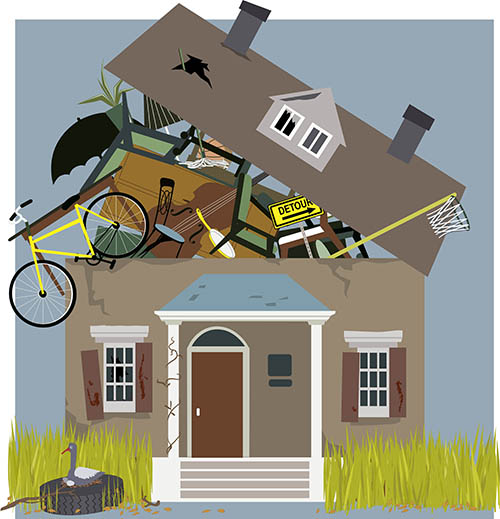
Hoarding
Biomedical Waste Disposal Dawson
With years of experience in specialized biohazard remediation across Georgia, the professionals at Econ Biohazard Services understand that biomedical waste disposal in Dawson requires more than standard trash collection. Biomedical waste-including contaminated sharps, blood-soaked materials, pathological waste, and pharmaceutical remnants-demands strict regulatory compliance, proper containment, and certified disposal protocols. Whether you're managing a healthcare facility, a private medical practice, a laboratory, or handling cleanup after a biohazard incident, understanding your options for biomedical waste disposal in Dawson is essential to protecting public health and meeting legal obligations.
Understanding Biomedical Waste Classification
Biomedical waste is categorized into several types, each requiring different handling and disposal methods. Sharps waste includes needles, lancets, and scalpels that pose puncture and infection risks. Pathological waste encompasses tissues, organs, and body parts. Pharmaceutical waste includes expired medications and chemotherapy drugs. Chemical waste from laboratory or medical processes requires specialized containment. Blood and body fluid-contaminated materials fall under infectious waste. Because each category carries distinct health and environmental risks, proper classification is the first step in compliant biomedical waste disposal. Misclassification can result in regulatory violations, fines, and most importantly, public health hazards.
In-House Segregation vs. Professional Collection Services
Many healthcare facilities and medical offices attempt to manage biomedical waste disposal in Dawson through in-house systems. This approach involves staff training, purchasing specialized containers, maintaining segregation protocols, and coordinating pickup with licensed disposal vendors. While this can work for small-volume operations, it creates significant liability. Staff injuries from sharps accidents, cross-contamination incidents, and documentation gaps are common problems. Professional collection services, by contrast, eliminate these risks. Certified technicians handle all aspects-from proper container placement and labeling to transportation in compliant vehicles and final incineration or treatment at licensed facilities.
The comparison is straightforward: in-house management requires ongoing training, personal protective equipment investment, worker's compensation exposure, and regulatory documentation burden. Professional services consolidate these responsibilities into a single accountable provider. For facilities across Macon and surrounding areas in Georgia, partnering with specialized providers like Econ Biohazard Services ensures consistent compliance and peace of mind.
Compliance Framework for Biomedical Waste Disposal
Biomedical waste disposal in Dawson is governed by EPA regulations, OSHA standards, and Georgia Department of Public Health requirements. The EPA Resource Conservation and Recovery Act (RCRA) establishes national hazardous waste standards. OSHA's bloodborne pathogen standard requires employers to minimize employee exposure through engineering controls, work practices, and proper waste handling. Georgia state regulations layer additional requirements for generators, transporters, and treatment facilities. Non-compliance carries substantial penalties: civil fines exceeding $1,000 per violation per day, potential criminal liability for willful violations, and facility closure orders in severe cases.
Professional biomedical waste disposal services maintain current knowledge of all regulatory changes and adjust protocols accordingly. They maintain required certifications, carry appropriate insurance, and provide documentation proving compliant disposal-documentation that protects your facility during inspections and audits. This regulatory expertise is difficult and expensive to maintain internally.
Cost Comparison: Disposal Methods and Providers
| Disposal Method | Initial Investment | Ongoing Costs | Compliance Risk | Staff Burden |
|---|---|---|---|---|
| In-House Segregation with Contracted Pickup | $2,000-$5,000 (containers, training, signage) | $800-$2,000+ monthly (per volume) | High (staff errors, documentation) | High (daily management) |
| Professional Full-Service Disposal | Minimal (consultation only) | $600-$1,500+ monthly (per volume) | Low (certified provider accountability) | Low (pickup only) |
| Sharps-Only Container Services | $500-$1,500 | $200-$400 monthly | Medium (other waste still unmanaged) | Medium (partial responsibility) |
Cost alone doesn't tell the full story. Full-service biomedical waste disposal in Dawson through professional providers transfers liability, ensures regulatory compliance, and reduces workplace injury risk. Many healthcare facilities find that the peace of mind and risk mitigation justify the monthly investment. Additionally, professional services often bill directly to insurance or operational budgets more cleanly than managing multiple vendor relationships internally.
Choosing the Right Biomedical Waste Disposal Partner
When evaluating biomedical waste disposal providers in Dawson and across Georgia, look for demonstrated expertise in your specific waste stream. A provider managing disposal for dental offices needs different expertise than one handling laboratory or pharmaceutical waste. Verify that your potential partner maintains current licenses, carries comprehensive liability insurance, and can provide references from similar facilities. Ask about their response protocols for spills or accidents, their vehicle maintenance standards, and their final disposal methods. Reputable providers offer complete transparency about where waste is treated and what methods are used.
Consider also the provider's local responsiveness. Because contamination incidents can occur at any time, having a partner with rapid response capabilities in your geographic area matters significantly. Econ Biohazard Services provides 24/7 emergency response across Georgia, with particular focus on Macon and surrounding areas. Beyond routine scheduled pickups, this means help is immediately available if an accident or unexpected contamination occurs.
The verdict is clear: professional biomedical waste disposal in Dawson protects your facility, your staff, your patients, and your community. While in-house management appears to save money initially, the regulatory risks, compliance burden, and liability exposure make it a false economy for all but the smallest operations. Investing in certified, professional disposal services is a responsible business practice that reflects commitment to safety and regulatory integrity.
Frequently Asked Questions
What types of waste require biomedical waste disposal in Dawson?
Biomedical waste includes sharps (needles, scalpels), blood-soaked materials, pathological specimens, expired medications, contaminated personal protective equipment, and laboratory chemical waste. Any material that contains human blood, bodily fluids, or infectious agents requires specialized biomedical waste disposal rather than standard trash collection. Improper disposal can spread infection and create serious public health risks.
How often should biomedical waste be collected in Dawson?
Collection frequency depends on your facility's waste volume and local regulations. High-volume medical facilities may need weekly or even twice-weekly pickup, while smaller practices might require monthly service. Professional disposal providers assess your specific needs and establish collection schedules that maintain compliance while managing costs effectively. Peak-volume periods may require adjusted scheduling.
What happens to biomedical waste after it leaves my Dawson facility?
Licensed biomedical waste disposal facilities transport waste in compliant vehicles to treatment centers, where waste is typically incinerated at high temperatures or subjected to other EPA-approved treatment methods. Professional disposal providers maintain full documentation of this process and can provide certificates of destruction or treatment completion. This chain-of-custody documentation proves your facility met all regulatory requirements.