Hoarding
Biomedical Waste Disposal Experiment
When organizations or families face situations involving biological contamination, the question of proper biomedical waste disposal becomes urgent and complex. Whether you're managing a healthcare facility, responding to a biohazard incident, or dealing with contamination from an unattended death, understanding the protocols behind biomedical waste disposal is essential for safety, legal compliance, and environmental protection. At Econ Biohazard Services, we handle these critical situations across Georgia, with specialized expertise serving Macon and surrounding areas. This guide addresses the technical realities of biomedical waste disposal-what it involves, why it matters, and how professional remediation protects both people and property.
What Exactly Is Biomedical Waste and Why Does Disposal Method Matter?
Biomedical waste encompasses any material contaminated with blood, bodily fluids, tissues, or pathogenic microorganisms that pose a risk to human health and the environment. This includes sharps (needles, scalpels), pathological waste (organs, tissues), pharmaceutical waste, and chemical waste from medical procedures. The disposal method matters profoundly because improper handling creates cascading risks: pathogen transmission to workers and the public, groundwater contamination, and violation of OSHA and EPA regulations that carry significant penalties.
The biomedical waste disposal experiment conducted by environmental health agencies consistently demonstrates that incineration remains the gold standard for most contaminated materials, achieving pathogen destruction rates exceeding 99.99% when properly executed at temperatures above 1,200 degrees Fahrenheit. Autoclaving (steam sterilization) serves as an alternative for certain waste streams, though it requires validation and verification protocols to ensure effectiveness. Chemical disinfection works for surfaces and non-sharp items but cannot reliably eliminate all pathogens from bulk waste.
Proper biomedical waste disposal isn't optional-it's a legal and moral obligation that protects your community and your organization from liability, disease transmission, and regulatory sanctions.
How Does Professional Biohazard Cleanup Differ from Standard Waste Management?
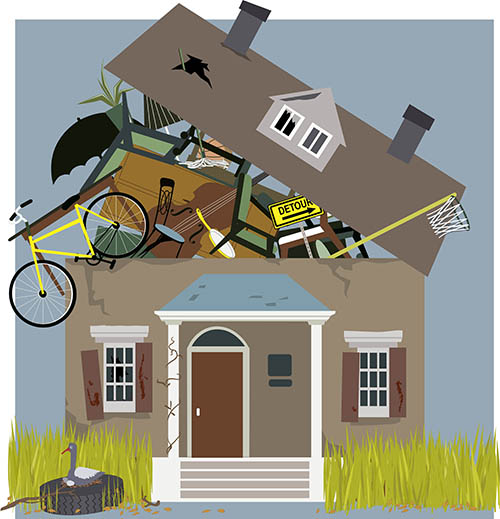
Standard waste management focuses on general refuse and recyclables. Biohazard cleanup, by contrast, addresses contamination from trauma, death, illness, or infectious disease outbreaks. The biomedical waste disposal experiment data shows that crime scenes, unattended death situations, and hoarding environments contain mixed contamination-blood, body fluids, decomposition byproducts, and environmental pathogens-that demands specialized protocols beyond typical janitorial services.
Professional biohazard remediation involves six critical steps:
- Site assessment and contamination mapping using industrial hygiene standards
- Personal protective equipment (PPE) and engineering controls setup (air filtration, containment barriers)
- Removal and segregation of contaminated materials into appropriate waste categories
- Surface decontamination using EPA-approved disinfectants with documented efficacy against target pathogens
- Proper packaging and labeling of biomedical waste for certified disposal facilities
- Post-remediation verification through air quality testing and visual inspection
Companies like Econ Biohazard Services in Georgia maintain 24/7 emergency response capabilities because contamination doesn't wait for business hours. Average response times of 30 minutes to one hour mean families and property managers aren't left managing biohazard exposure on their own.
What Are the Regulatory Requirements and Certification Standards?
Biomedical waste disposal operates under overlapping regulatory frameworks. The OSHA Bloodborne Pathogens Standard mandates training, safety protocols, and medical waste management plans for any workplace with potential exposure. The EPA regulates medical waste incinerators and disposal facilities. State regulations-including Georgia's Department of Public Health rules-establish additional requirements for waste segregation, container specifications, labeling, and tracking documentation.
Here's how disposal methods compare across key dimensions:
| Method | Temperature/Process | Pathogen Reduction | Suitable Waste Types | Cost Factor |
|---|---|---|---|---|
| Incineration | 1,200-2,000°F | 99.99%+ | All biomedical waste | Higher |
| Autoclaving | 250-280°F, 20-30 min | 99.9%+ | Non-sharp, non-chemo waste | Moderate |
| Chemical Disinfection | Variable (room temp) | 90-99% | Surfaces, non-bulk items | Lower |
Certified medical waste disposal facilities must meet strict operational standards, maintain liability insurance, track waste from generation to final disposition, and document all handling activities. This creates an auditable chain of custody that protects your organization and proves compliance if regulatory agencies investigate.
For individuals and families in Macon and surrounding areas facing cleanup after death or trauma, professional assistance through a licensed biohazard service removes the legal and health burden from your shoulders. Insurance often covers biomedical waste disposal and remediation services when properly documented, which is why working with companies that understand billing and claim processes saves both money and stress.
Frequently Asked Questions
What is the difference between biomedical waste disposal and regular trash collection?
Biomedical waste contains blood, bodily fluids, tissues, or pathogens that regular trash does not. It requires specialized handling at certified facilities with incineration or autoclaving to eliminate pathogens, whereas regular waste goes to landfills. The biomedical waste disposal experiment confirms that standard waste methods fail to destroy infectious agents, creating public health risks.
How long does it take to properly dispose of contaminated materials from a biohazard scene?
Professional biohazard cleanup and biomedical waste disposal typically requires 4 to 8 hours on-site, depending on contamination extent and the size of affected areas. After removal and packaging, certified disposal facilities handle the actual incineration or autoclaving, which occurs within 3 to 7 days. Professional services like those at Econ Biohazard coordinate all steps to ensure nothing delays the process.
Can I dispose of biomedical waste myself if I wear protective equipment?
No-improper biomedical waste disposal violates OSHA, EPA, and state regulations regardless of protective equipment used. Licensed facilities, trained personnel, and certified equipment are legally required for pathogen elimination. Self-disposal exposes you to fines, criminal liability, and disease transmission risk that far outweighs any cost savings.
Does insurance cover biomedical waste disposal services?
Many homeowners and commercial insurance policies cover professional biohazard cleanup and biomedical waste disposal following death, crime, or contamination events. Coverage depends on your specific policy and the incident type. Working with providers like Econ Biohazard Services, who offer insurance billing assistance, ensures you understand your coverage and submit proper documentation for claim approval.