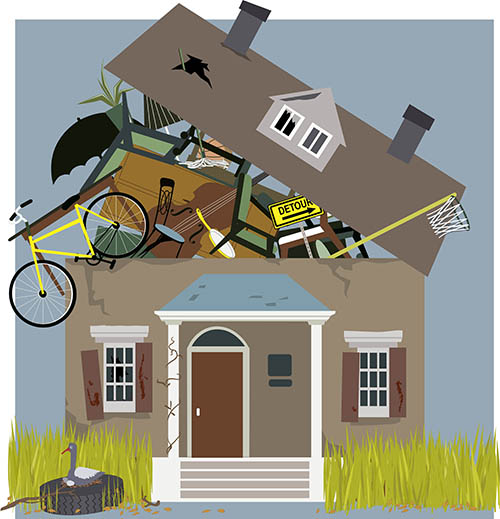
Hoarding
Biomedical Waste Disposal Geneva
Understanding biomedical waste disposal starts with recognizing that biohazardous materials require specialized handling, storage, and removal to protect public health and the environment. Let's explore what biomedical waste disposal in Geneva and throughout Georgia involves, why it matters, and how professional services ensure compliance with federal and state regulations.
Biomedical waste-also called regulated medical waste or biohazard waste-includes materials contaminated with blood, body fluids, pathogenic agents, or other infectious substances. This waste stream comes from medical facilities, trauma scenes, unattended deaths, and situations requiring decontamination. Unlike regular trash, biomedical waste disposal Geneva residents and businesses need demands specialized protocols because improper handling creates serious health risks.
At Econ Biohazard Services, we provide comprehensive biomedical waste disposal across Georgia, with particular expertise serving Macon and surrounding areas. Our team handles the complete lifecycle of hazardous materials-from identification and containment through compliant transport and disposal-allowing you to focus on recovery while we manage the technical and regulatory complexities.
What Exactly Is Biomedical Waste and Why Does It Need Special Handling?
Biomedical waste encompasses any material that may contain infectious agents or pose a biological hazard. This includes:
- Pathological waste (human tissues, organs, body parts)
- Infectious waste (contaminated materials from patients with communicable diseases)
- Sharps (needles, scalpels, broken glass with biological contamination)
- Pharmaceutical waste (expired or contaminated medications)
- Chemical waste with biological components
- Animal waste from research or veterinary settings
Standard garbage disposal cannot safely handle these materials. Microorganisms in biomedical waste survive normal landfill conditions and can contaminate soil and groundwater. Workers handling improperly disposed waste face infection risk. This is why biomedical waste disposal Geneva and statewide Georgia requires OSHA and EPA compliance-federal agencies recognize the genuine public health threat.
What Are the Legal Requirements for Biomedical Waste Disposal in Georgia?
Georgia follows federal guidelines established by OSHA and the EPA, with specific state-level requirements outlined by the Georgia Department of Public Health. These regulations mandate that biomedical waste must be segregated at the source, placed in labeled containers meeting specific standards, stored in secure areas with limited access, transported only by licensed carriers, and treated before final disposal through approved methods like autoclaving, incineration, or chemical disinfection.
Non-compliance carries steep penalties. Facilities and individuals handling biomedical waste improperly face fines ranging from hundreds to thousands of dollars per violation, plus potential criminal liability if negligence causes harm. Beyond financial consequences, improper disposal damages community trust and endangers public health.
Professional biomedical waste disposal Geneva businesses like Econ Biohazard Services navigate these complex requirements on your behalf. We maintain current knowledge of state and federal regulations, ensure proper documentation, and work with licensed disposal facilities, eliminating your compliance burden and liability risk.
How Does Professional Biomedical Waste Disposal Differ From Standard Cleanup?
Many people assume standard cleaning or general waste removal can handle biohazard situations. This assumption creates serious problems. Here's why professional biomedical waste disposal differs fundamentally:
- Specialized Training: Our technicians understand pathogenic organism behavior, appropriate disinfectants for specific contaminants, and containment protocols that prevent cross-contamination.
- Advanced Equipment: Industrial-grade disinfection systems, HEPA filtration, containment barriers, and personal protective equipment rated for maximum biohazard exposure ensure worker and environmental safety.
- Documentation: We maintain detailed waste manifests, disposal certificates, and compliance records proving proper handling throughout the entire process.
- Chain of Custody: From initial containment through final disposal, we track every biomedical waste item to ensure accountability and regulatory compliance.
- Insurance Coordination: Professional biomedical waste disposal services work directly with insurance carriers, streamlining claims and often covering substantial portions of removal and remediation costs.
Attempting DIY biomedical waste disposal exposes you to infection, legal liability, and incomplete decontamination that may linger and cause secondary health problems. Professional handling protects your health, your property's safety status, and your legal standing.
What Does the Biomedical Waste Disposal Process Actually Involve?
Understanding the step-by-step process helps you appreciate why this work requires expertise. Professional biomedical waste disposal in Geneva and across Georgia typically follows this sequence:
Assessment and Planning: Technicians evaluate the contamination scope, identify all biohazard materials, assess safety risks, and develop a customized remediation plan addressing your specific situation.
Containment: The work area is isolated using physical barriers and negative air pressure systems when necessary, preventing airborne particles from spreading contamination beyond the affected zone.
Removal and Segregation: Contaminated materials are carefully removed, placed in appropriate containers based on waste type, and segregated according to disposal method requirements. Sharps go in puncture-resistant containers; pathological waste in biohazard bags; chemicals in separate sealed vessels.
Decontamination: All surfaces undergo treatment with hospital-grade disinfectants appropriate for the contamination type. This includes visible contamination removal and penetrating disinfection of porous materials.
Disposal: Segregated biomedical waste travels to licensed treatment facilities where it undergoes autoclaving, incineration, or chemical treatment before final disposal. Documentation tracks this entire journey.
Verification and Clearance: Post-remediation inspections confirm contamination removal and provide certification that the space is safe for reoccupancy.
When Should You Call Professional Services Instead of Attempting Cleanup Yourself?
You need professional biomedical waste disposal services immediately if you encounter any biohazard situation. This includes unattended deaths, crime scenes, suicide cleanup, hoarding situations with biological contamination, medical waste from home healthcare, or infectious disease outbreaks. Even small-scale incidents warrant professional attention because determining contamination extent requires trained expertise.
Econ Biohazard Services provides 24/7 emergency response across Georgia with typical arrival times of 30 minutes to one hour. We understand that trauma and crisis situations demand immediate compassionate action combined with technical expertise. Our team manages the overwhelming details while you focus on emotional support and healing.
Frequently Asked Questions
Is biomedical waste disposal covered by insurance after a trauma or death?
Many homeowners and commercial insurance policies cover professional cleanup and biomedical waste disposal following traumatic events, unattended deaths, or crime scenes. We assist with insurance claims, providing detailed documentation and working directly with carriers to maximize coverage and minimize your out-of-pocket costs.
How quickly can you respond for biomedical waste disposal in Geneva?
We maintain 24/7 availability with emergency response protocols ensuring arrival within 30 minutes to one hour throughout Georgia. Time-sensitive situations demand immediate professional attention, and we prioritize rapid deployment while maintaining full compliance with safety protocols.
What safety precautions protect me during biomedical waste disposal?
Our technicians use full personal protective equipment, establish containment barriers, deploy HEPA filtration systems, and follow OSHA protocols throughout the process. We isolate work areas, communicate clearly about restricted access, and provide documentation confirming safe restoration of your space.
Can biomedical waste disposal handle hoarding situations with biological contamination?
Yes, hoarding cleanup involving biohazard contamination requires specialized expertise we provide. We address both the volume of accumulated materials and the biological hazards they may contain, ensuring complete decontamination alongside removal and proper biomedical waste disposal.
How do you ensure biomedical waste disposal complies with Georgia regulations?
We maintain current knowledge of OSHA and EPA requirements, work exclusively with licensed disposal facilities, maintain complete documentation and waste manifests, and stay updated on any state-specific Georgia regulations. Our work is designed to exceed minimum compliance standards.
What happens to biomedical waste after you collect it for disposal?
Biomedical waste is transported to licensed treatment facilities where it undergoes approved processing methods such as autoclaving, incineration, or chemical treatment depending on waste type. We maintain chain-of-custody documentation tracking materials through final disposal and provide certificates verifying completion.
Should I disclose biomedical waste disposal services to future buyers if selling property?
We recommend consulting with your real estate attorney about disclosure requirements in your specific situation. We provide detailed documentation of all remediation work, decontamination confirmation, and compliance certifications that demonstrate the property has been professionally restored to safe condition.