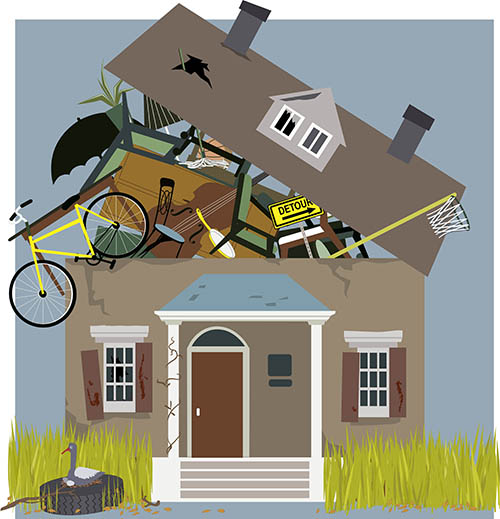
Hoarding
Biomedical Waste Disposal Howard
Understanding biomedical waste disposal in Howard and throughout Georgia requires knowledge of what qualifies as biomedical waste, why proper handling matters, and how to work with certified professionals. Let's explore the fundamentals of biomedical waste disposal Howard and why this specialized service protects both your facility and your community.
What Exactly Is Biomedical Waste and Why Does It Matter?
Biomedical waste encompasses any solid waste generated during the diagnosis, treatment, or immunization of human beings or animals, including research activities related to these processes. This includes contaminated materials like blood-soaked bandages, sharps (needles and scalpels), pathological specimens, pharmaceutical waste, and items that have come into contact with human blood or bodily fluids.
The reason biomedical waste disposal Howard requires specialized attention is straightforward: improper handling creates genuine health risks. When biomedical waste enters regular trash streams, it can expose sanitation workers, the general public, and the environment to infectious diseases and hazardous materials. Because of these risks, regulatory bodies established strict protocols for collection, segregation, treatment, and final disposal.
Think of biomedical waste like a specialized category that demands respect and expertise-similar to how you wouldn't handle electrical wiring the same way you'd handle regular household items. The contamination potential is real, the legal requirements are rigorous, and the consequences of non-compliance extend beyond your facility.
How Does Professional Biomedical Waste Disposal Differ from Regular Waste Management?
Professional biomedical waste disposal Howard services operate under federal and state regulations, including OSHA and EPA compliance frameworks. This means they follow documented protocols for segregation, labeling, containment, transportation, and treatment that far exceed standard waste management practices.
Here's the practical difference: a medical office generating sharps, gauze, and other contaminated materials cannot simply place these items in a dumpster. A professional biomedical waste disposal service provides specialized containers, maintains detailed documentation, ensures proper containment during transport, and arranges for treatment methods like autoclaving or incineration that render the waste non-hazardous.
Proper biomedical waste disposal protects your staff, your patients, your community, and your organization from legal liability and health risks that can have lasting consequences.
At Econ Biohazard Services throughout Georgia, including the Macon area and surrounding communities, we handle biomedical waste disposal with industrial hygiene technology and certified expertise. Our team understands that your facility-whether medical, research-based, or related to trauma cleanup-has specific needs that demand professional-grade solutions.
What Are the Key Compliance Requirements for Biomedical Waste Disposal?
Biomedical waste disposal in Howard and across Georgia must meet several compliance layers. First, waste must be properly segregated at the point of generation-meaning healthcare workers separate sharps, pathological waste, and other categories immediately. Second, containers must meet specific design standards: puncture-resistant for sharps, leak-proof for liquids, and clearly labeled with biohazard symbols.
Documentation is equally critical. Facilities must maintain records of what waste was generated, how much, when it was collected, and where it was ultimately treated. This creates an audit trail that protects your organization and demonstrates good-faith compliance efforts.
Transportation requirements specify that biomedical waste cannot be transported casually. Licensed handlers must use vehicles that are properly labeled and cleaned regularly. Storage areas must prevent unauthorized access and environmental exposure while waste awaits pickup.
Finally, treatment or disposal must render the waste non-infectious before it enters landfills. Methods vary-autoclaving (steam sterilization), chemical treatment, and incineration are common-and the chosen method depends on waste type and regulatory approval in your jurisdiction.
How Can Healthcare Facilities and Organizations Prepare for Professional Biomedical Waste Disposal?
Preparation begins with assessment. Identify what types of biomedical waste your organization generates daily, weekly, or monthly. A small medical office has different volume and category needs than a hospital or research facility. Understanding your waste stream helps you select an appropriate service partner and budget accordingly.
Next, establish internal procedures. Train staff on proper segregation and container use. Assign responsibility for monitoring waste levels and scheduling pickups. Create a clean, secure storage area that prevents pest access and environmental contamination while waste awaits collection.
When selecting a biomedical waste disposal Howard service partner, verify their credentials. Confirm they hold proper licensing and maintain current training certifications. Ask about their compliance protocols, documentation practices, and response times. A reputable provider like Econ Biohazard Services can explain their procedures transparently and provide references.
Finally, maintain ongoing communication with your provider. Regular service schedules, open channels for questions, and documentation review ensure that your organization stays compliant and your waste poses no risk to staff, patients, or the community. In the Macon area and throughout Georgia, professional biomedical waste disposal Howard providers serve as partners in your compliance journey, not just vendors in a transaction.
Frequently Asked Questions
What types of materials count as biomedical waste requiring special disposal?
Biomedical waste includes blood-soaked bandages, used needles and sharps, extracted teeth, pathological specimens, contaminated gloves and gowns, expired pharmaceuticals, and any items that contacted human blood or bodily fluids. Even small medical offices generate these materials regularly, making proper disposal essential for staff and public safety.
How often should biomedical waste be picked up from my facility?
Pickup frequency depends on your waste volume, facility type, and storage capacity. High-volume medical facilities might require weekly or twice-weekly service, while small offices may schedule pickups every two to four weeks. A professional biomedical waste disposal Howard provider will assess your needs and create a customized schedule.
Can biomedical waste go in regular trash or recycling?
No. Biomedical waste must never enter standard waste streams because it poses infectious disease risks to sanitation workers and the public. Federal and state regulations require segregation and specialized treatment before any materials can be disposed of safely.
What happens to biomedical waste after it's collected?
Collected biomedical waste typically undergoes treatment such as autoclaving (steam sterilization), chemical disinfection, or incineration-methods that render it non-infectious. After treatment, the waste can be safely disposed of in permitted landfills or through other approved final disposal methods.
What are the penalties for improper biomedical waste disposal?
Improper biomedical waste disposal violates OSHA and EPA regulations, resulting in fines ranging from hundreds to thousands of dollars per violation, potential closure of operations, criminal liability for serious violations, and civil lawsuits if exposure causes harm. Compliance protects your organization's reputation and legal standing.
How do I know if a biomedical waste disposal service is legitimate and compliant?
Verify their business licensing, ask for proof of EPA and OSHA compliance training, request references from other healthcare facilities, confirm they maintain proper documentation and insurance, and ensure they operate licensed vehicles with biohazard labeling. Reputable services like Econ Biohazard throughout Georgia provide transparent credentials and detailed service explanations.