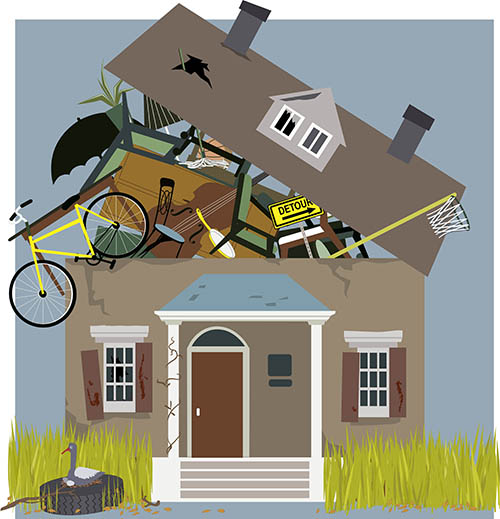
Hoarding
Biomedical Waste Disposal Lagrange
With years of experience in this field, the team at econbiohazard.com understands that biomedical waste disposal in Lagrange requires more than just standard trash removal. Biomedical waste-including contaminated sharps, pathological materials, pharmaceutical waste, and other potentially infectious substances-demands specialized handling, regulatory compliance, and professional expertise. Whether you're managing a medical facility, operating a healthcare practice, or dealing with biohazard contamination at a residential or commercial property, understanding proper disposal protocols protects public health, prevents environmental contamination, and keeps your organization compliant with federal and state regulations.
What Exactly is Biomedical Waste and Why Does it Require Special Handling?
Biomedical waste is any waste generated during the diagnosis, treatment, or immunization of human beings or animals, or research activities producing biological products. This includes blood and blood products, cultures and stocks of infectious agents, human pathological waste, contaminated sharps, and chemotherapy waste. Because these materials can transmit serious infections-including bloodborne pathogens, antibiotic-resistant bacteria, and viral agents-they cannot be disposed of like regular municipal waste. The consequences of improper handling extend beyond legal penalties; contaminated waste poses direct risks to sanitation workers, the public, and environmental ecosystems.
As professionals serving Georgia statewide with particular emphasis on Macon and surrounding areas, we've encountered situations where improper disposal created significant liability and health hazards. Biomedical waste disposal in Lagrange and throughout our service region must follow OSHA bloodborne pathogen standards, EPA Resource Conservation and Recovery Act (RCRA) guidelines, and Georgia Department of Natural Resources regulations. Attempting to handle this material without proper training, containment, segregation, and documentation creates legal exposure and genuine safety risks.
How Does Professional Biomedical Waste Disposal Differ from Regular Cleanup Services?
Professional biomedical waste disposal involves a multi-step process that standard cleaning services cannot safely execute. Our approach begins with proper assessment and segregation-identifying what materials constitute regulated medical waste, what can be treated as regular waste, and what requires specialized handling. We use color-coded containers, puncture-resistant sharps containers, and leak-proof bags that meet Department of Transportation specifications. All materials are documented through a chain-of-custody system that creates accountability and ensures regulatory compliance throughout the disposal process.
Biomedical waste disposal for Lagrange facilities typically follows one of three treatment pathways: incineration for pathological and infectious waste, autoclaving and shredding for certain materials, or chemical treatment depending on waste classification. Each pathway requires specific equipment, trained personnel, and verification that treatment achieves the required log reduction (destruction) of infectious agents. When you engage econbiohazard.com for biomedical waste disposal in Lagrange or any Georgia location, you gain access to established relationships with licensed treatment facilities, proper documentation generation, and the assurance that your waste reaches its final destination safely and legally.
The cost difference between professional disposal and attempting DIY approaches is negligible compared to potential penalties, liability claims, or disease transmission incidents. Regulatory violations can result in fines ranging from thousands to hundreds of thousands of dollars, plus potential criminal liability for knowing violations. Insurance may not cover incidents resulting from non-compliant waste handling practices, leaving your organization fully exposed financially.
Our team maintains current knowledge of evolving regulations, including changes in how specific waste streams are classified and treated. For instance, the handling requirements for pharmaceutical waste, trace chemotherapy waste, and infectious disease-related biohazards shift based on updated guidance from EPA and state environmental agencies. By partnering with professionals who track these changes, you eliminate the administrative burden of staying compliant while focusing on your core operations.
Documentation represents another critical difference between professional and amateur approaches. Proper biomedical waste disposal in Lagrange requires detailed records showing waste volume, treatment method, facility certifications, and final disposition. Insurance companies, auditors, and regulators expect this documentation. Professional disposal services generate these records automatically, protecting you during inspections or liability investigations. Attempting to manage biomedical waste disposal without documented evidence of proper handling leaves gaps that regulators and insurance companies view with immediate suspicion.
Rapid response capability distinguishes professional biomedical cleanup from standard services. Contaminated sharps or spilled infectious material cannot wait days for service scheduling. Our 24/7 emergency response capability-with response times averaging 30 minutes to one hour across Georgia-ensures that biohazard contamination gets contained and properly remediated before secondary exposure occurs. This immediate response capacity is particularly critical in healthcare settings where patient safety and continuity of care depend on rapid professional intervention.
What Are the Most Common Biomedical Waste Disposal Challenges in Lagrange?
Lagrange-area facilities often struggle with biomedical waste disposal because they underestimate the volume and complexity of their waste streams. Dental offices, for example, generate contaminated sharps, amalgam waste, and blood-soaked materials that many providers attempt to dispose of improperly. Home healthcare situations create additional challenges when family members or untrained caregivers handle biohazardous materials without proper training or containment. We've responded to numerous situations where well-intentioned people created serious exposure risks through well-meaning but unsafe disposal practices.
Staff training gaps represent another common barrier. Even experienced healthcare workers sometimes underestimate what qualifies as biomedical waste or how segregation requirements work. We provide educational support alongside our biomedical waste disposal services to ensure your team understands proper identification, handling, and containment practices. This training reduces accidental contamination, improves safety culture, and prevents future exposure incidents.
Budget constraints sometimes pressure organizations toward shortcuts in biomedical waste disposal, but this false economy creates exponentially greater costs through potential liability. Professional disposal represents a manageable operating expense with transparent pricing and predictable costs. Incidents resulting from improper disposal create unpredictable, often catastrophic financial and reputational consequences.
- Sharps injuries and bloodborne pathogen exposures from improperly contained needles or lancets
- Environmental contamination affecting soil and groundwater through improper landfill disposal
- OSHA citations and EPA penalties for non-compliant waste handling and documentation
- Insurance claim denials based on failure to follow established disposal protocols
- Regulatory suspension or loss of operational licenses in healthcare settings
When you choose professional biomedical waste disposal in Lagrange through econbiohazard.com, you invest in risk mitigation, regulatory certainty, and the knowledge that contaminated materials receive proper treatment at licensed, inspected facilities. This isn't just about compliance-it's about protecting your staff, your patients, your community, and your organization's future.
Frequently Asked Questions
What types of waste qualify as biomedical waste requiring professional disposal?
Biomedical waste includes contaminated sharps, human tissue and pathological waste, blood and blood products, cultures of infectious agents, pharmaceutical waste, chemotherapy waste, and any materials saturated with blood or body fluids. Not all medical-related waste qualifies as regulated biomedical waste-some items can be disposed of as regular trash once properly segregated. Our team assesses your specific waste streams to determine proper classification and ensure compliant disposal.
How often should biomedical waste disposal occur at a medical facility?
Biomedical waste disposal frequency depends on volume, facility type, and regulatory requirements-but in general, waste should not accumulate beyond 90 days before treatment. High-volume facilities like hospitals may require weekly or daily pickups, while low-volume practices might need monthly service. We customize collection schedules based on your facility's actual generation rates and local regulations to ensure you remain compliant without unnecessary service interruptions.
Can biomedical waste be mixed with regular trash for disposal?
No. Mixing biomedical waste with regular trash violates federal RCRA regulations, state environmental laws, and OSHA requirements. Improper mixing contaminates landfills, exposes sanitation workers to infectious agents, and creates serious liability for the organization responsible for the waste. Every regulated biomedical item must be segregated, contained in appropriate containers, and tracked through documented disposal pathways to licensed treatment facilities.
What documentation do I need to maintain for biomedical waste disposal?
You must maintain records including waste manifests showing generation date, waste description, volume, treatment method, facility certifications, and final disposition confirmation. These documents serve as proof of compliance during regulatory inspections, insurance audits, and potential liability investigations. Professional disposal services generate this documentation systematically, creating an auditable record of proper waste handling from generation through final treatment.
Is biomedical waste disposal more expensive than regular trash removal?
Professional biomedical waste disposal costs more than standard trash service because it requires specialized containers, trained handlers, documented chain-of-custody, licensed treatment facilities, and regulatory compliance infrastructure. However, the cost is predictable and manageable compared to potential penalties, liability claims, insurance denials, and business interruption costs resulting from improper disposal. Most facilities find that professional disposal represents less than 2-3% of total operating costs.
How quickly can you respond to a biomedical waste disposal emergency in Lagrange?
Our team maintains 24/7 emergency response capability with typical response times between 30 minutes and one hour throughout Georgia. When contaminated sharps, spilled infectious material, or other biohazard situations occur, immediate professional response prevents secondary exposure and ensures proper containment and remediation. We prioritize emergency biomedical waste disposal situations to minimize health risks and operational disruption for healthcare facilities and other affected organizations.