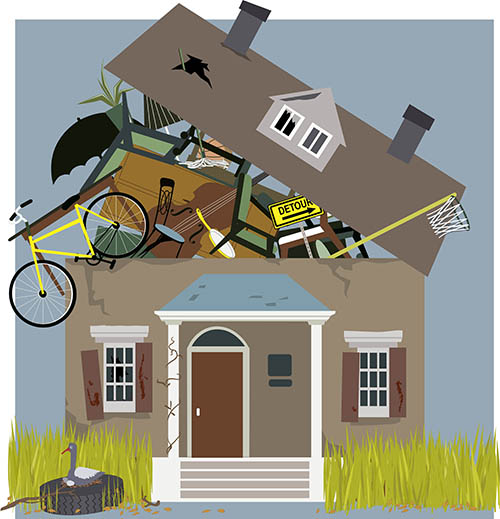
Hoarding
Biomedical Waste Disposal Mc Rae
Handling biomedical waste safely isn't something you should leave to chance. Whether you're managing a medical facility, healthcare office, or dealing with contaminated materials in Mc Rae, understanding the proper steps for biomedical waste disposal in Mc Rae is essential for protecting public health, complying with regulations, and maintaining a safe environment. This guide walks you through the process of managing biomedical waste responsibly, and explains when professional expertise becomes necessary.
Biomedical waste includes items like sharps, pathological waste, pharmaceutical waste, and contaminated materials that require specialized handling. Throughout Georgia, including the Macon area and surrounding communities like Mc Rae, regulations require that this waste be managed according to strict safety protocols. By following these steps, you'll understand what's involved in proper disposal and recognize when to call trained professionals like Econ Biohazard Services who specialize in compliant biomedical waste disposal.
Step 1: Identify and Classify Your Biomedical Waste
Your first responsibility is recognizing what constitutes biomedical waste at your location. Take time to walk through your facility and document materials that fall into regulated categories. Sharps such as needles, lancets, and scalpel blades require special containment. Pathological waste includes tissues, organs, and body parts. Pharmaceutical waste covers expired medications and chemotherapy drugs. Cultures and stocks of infectious agents, along with contaminated glassware and laboratory equipment, also require classification as biomedical waste.
Ask yourself: do you have a clear inventory of all biomedical materials currently on-site? Creating a comprehensive list helps you understand the scope of your disposal needs and ensures nothing gets overlooked. Different types of biomedical waste in Mc Rae may have different regulatory requirements, so accurate classification is your foundation for compliant disposal.
Step 2: Implement Proper Containment and Segregation
Once you've identified your biomedical waste, segregation becomes critical. Never mix different waste types in a single container-this complicates disposal and violates safety protocols. Use clearly labeled, color-coded containers designed specifically for biomedical waste. Red bags or containers typically hold infectious waste; yellow containers hold pathological or pharmaceutical waste; and puncture-resistant sharps containers are mandatory for needles and cutting instruments.
Each container should be marked with the biohazard symbol and appropriate labels indicating contents. Fill containers only to three-quarters capacity to prevent spills and seal them securely before removal. Store containers in designated areas away from general foot traffic and ensure they're stored in locked or restricted-access locations. Proper segregation at this stage directly prevents cross-contamination and makes the entire disposal process safer and more efficient.
Step 3: Document and Track Your Waste Stream
Maintaining accurate records of your biomedical waste is both a regulatory requirement and a practical necessity. Create a log that documents the type of waste, volume, date of generation, and method of disposal. This documentation demonstrates your commitment to compliance and provides a clear audit trail. Many facilities use tracking forms or digital systems to record when waste containers are sealed, stored, and eventually removed for professional disposal.
Why does documentation matter? Because it protects your facility legally and helps identify patterns in your waste generation. If you're reviewing records and notice increasing volumes of a particular waste type, you might discover opportunities to reduce generation or adjust your processes. Documentation also proves essential if regulatory agencies conduct inspections-your records show you're taking biomedical waste disposal in Mc Rae seriously and following established protocols.
Step 4: Arrange Professional Biomedical Waste Disposal
This is where professional expertise becomes invaluable. Licensed biomedical waste disposal services like Econ Biohazard Services understand EPA and OSHA compliance requirements across Georgia and the Macon region. Rather than attempting to handle disposal independently, partnering with specialists ensures your biomedical waste disposal meets all regulatory standards. Professional services provide trained personnel, appropriate transportation in compliant vehicles, and documentation proving proper treatment and disposal.
Professional biomedical waste disposal services typically include scheduled pickups based on your waste generation volume, emergency response capabilities, and assistance with regulatory documentation. They handle the logistics of transporting waste to authorized treatment facilities where it's incinerated, autoclaved, or chemically treated according to waste type. When you work with experienced professionals for biomedical waste disposal in Mc Rae and surrounding areas, you gain peace of mind knowing your facility remains compliant while you focus on your primary operations.
Key Considerations for Biomedical Waste Disposal:
- Maintain segregation from initial generation through final disposal
- Use only EPA-approved and OSHA-compliant containers
- Store waste in secure, climate-controlled areas when possible
- Never dispose of biomedical waste through regular municipal waste systems
- Train all staff on proper identification, containment, and handling procedures
- Schedule regular professional pickups to prevent storage accumulation
- Keep all disposal documentation organized and accessible for inspections
Managing biomedical waste responsibly protects your staff, your community, and the environment. While these steps provide a framework for understanding the process, the reality is that biomedical waste disposal involves complex regulatory requirements that evolve. Professional services specializing in biomedical waste disposal across Georgia, particularly in the Macon area, stay current with all requirements and handle the technical aspects so you don't have to worry about compliance gaps.
If you're currently struggling with biomedical waste management, uncertain about your facility's compliance status, or facing unusual waste situations requiring specialized handling, professional guidance makes a significant difference. Services like Econ Biohazard offer expertise, rapid response, and the assurance that your biomedical waste is being managed safely and legally.
Frequently Asked Questions
What types of waste qualify as biomedical waste requiring special disposal?
Biomedical waste includes sharps (needles, lancets, scalpels), pathological waste (human tissues and organs), pharmaceutical waste (expired or unused medications and chemotherapy drugs), infectious cultures and stocks, contaminated laboratory equipment, and blood-soaked materials. Any material that contains human blood, bodily fluids, or infectious agents requires classification as biomedical waste and cannot enter regular municipal waste streams.
How often should biomedical waste be picked up for disposal?
Pickup frequency depends on your facility's waste generation volume and storage capacity. Most healthcare facilities arrange weekly or bi-weekly pickups, while higher-volume operations may need twice-weekly service. Professional disposal companies assess your specific needs and create customized schedules to prevent storage overflow while maintaining regulatory compliance and safety.
What happens to biomedical waste after it's picked up in Mc Rae?
After professional pickup, biomedical waste is transported in compliant vehicles to licensed treatment facilities where it undergoes incineration, autoclaving, or chemical treatment depending on waste type and regulatory requirements. These authorized facilities provide documentation of treatment completion, which completes your waste disposal chain and demonstrates regulatory compliance for your records.
Can we dispose of biomedical waste in regular trash or through standard waste management services?
No. Biomedical waste cannot be mixed with regular municipal waste or disposed through standard trash services-this violates EPA and OSHA regulations and creates serious public health and environmental risks. Biomedical waste must go through licensed disposal services equipped to handle hazardous materials properly and legally.
What documentation do we need to keep for biomedical waste disposal compliance?
You should maintain records documenting waste type, volume, generation date, storage location, and disposal method. Professional disposal companies provide certificates of treatment and disposal confirmation. Keeping organized records demonstrates compliance during inspections and creates an audit trail proving your facility is following proper biomedical waste disposal protocols.