Hoarding
Biomedical Waste Disposal Sargent
Biomedical waste disposal in Sargent and across Georgia requires specialized knowledge, regulatory compliance, and proper handling procedures. Whether you're managing a medical facility, handling post-incident cleanup, or dealing with infectious materials, understanding biomedical waste disposal Sargent protocols is essential for public health and legal compliance. Econ Biohazard Services provides OSHA and EPA-compliant biomedical waste disposal throughout Georgia, including Macon and surrounding areas, with 24/7 emergency response capabilities.
1. Classification Categories Determine Handling and Disposal Methods
Biomedical waste falls into distinct categories, each requiring specific containment, treatment, and disposal protocols. Pathological waste includes human tissues, organs, and body parts. Infectious waste encompasses materials contaminated with blood or body fluids from potentially infectious individuals. Sharps waste includes needles, scalpels, and contaminated glass. Pharmaceutical waste involves expired or unused medications. Chemical waste from laboratory or medical procedures requires separate handling. Each category has defined disposal methods: some require incineration at temperatures exceeding 1,000 degrees Fahrenheit, while others may be autoclaved (steam sterilized) or chemically treated before landfill disposal.
Understanding these classifications matters because improper categorization creates regulatory violations, environmental contamination risks, and potential liability. When you engage professional biomedical waste disposal Sargent services, trained technicians assess materials on-site and classify them correctly before removal.
2. Federal and State Regulations Mandate Specific Containment Standards
The EPA, OSHA, and Georgia Department of Public Health establish mandatory standards for biomedical waste containment and labeling. Waste must be placed in rigid, leak-proof containers with biohazard symbol labeling. Red bags are standard for infectious waste; yellow bags designate pathological waste. Containers must be kept closed during storage and transport, with storage areas maintained at appropriate temperatures. Georgia regulations align with federal standards but include state-specific requirements for documentation and facility licensing.
Non-compliance with biomedical waste disposal regulations can result in fines ranging from thousands to hundreds of thousands of dollars, plus potential criminal liability for facility managers.
These standards exist because improper containment spreads pathogens through healthcare workers, waste handlers, and the general public. Professional biomedical waste disposal Sargent companies maintain current knowledge of all applicable regulations and execute protocols accordingly.
3. Transportation and Chain-of-Custody Documentation Is Legally Required
Biomedical waste cannot simply be transported in regular vehicles or disposed of through standard municipal waste services. Specialized vehicles with secondary containment systems, segregated compartments, and biohazard labeling are required for transport. Chain-of-custody documentation must accompany waste from point of origin through final disposal, creating a legally defensible record. This documentation includes waste classification, quantity, treatment method, disposal facility, and dates. Healthcare facilities, laboratories, and other generators must retain these records for specified periods.
The chain-of-custody requirement protects both the waste generator and the public. If contamination or exposure incidents occur, documentation proves compliant handling. When selecting biomedical waste disposal Sargent providers, verify they maintain meticulous records and use properly equipped transport vehicles.
4. Treatment Methods Render Waste Non-Hazardous Before Final Disposal
Biomedical waste undergoes treatment before entering landfills or incinerators. Autoclaving (high-pressure steam sterilization) is common for many waste types, operating at 121-134 degrees Celsius for 15-60 minutes depending on waste density. This process kills pathogens, making waste non-infectious. Incineration at controlled temperatures destroys organic material and eliminates infectious agents. Chemical treatment uses disinfectants and sterilization agents for specific waste streams. Microwave treatment applies electromagnetic radiation to decontaminate certain materials. Each method produces documentation confirming treatment completion and efficacy.
Treatment effectiveness depends on proper waste sorting before processing. Mixed or improperly classified waste may not receive adequate treatment exposure, creating potential public health risks. Professional biomedical waste disposal Sargent operations ensure correct classification before treatment initiation.
5. Medical Facilities and Non-Traditional Generators Both Require Compliant Disposal
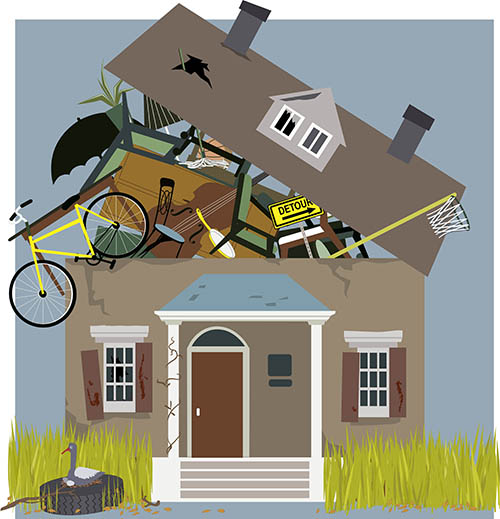
Hospitals and clinics obviously generate biomedical waste, but so do dental offices, veterinary clinics, tattoo parlors, funeral homes, laboratories, and residential settings where medical care occurs. Unattended deaths, crime scenes, trauma incidents, and hoarding situations contaminated with biological materials create biomedical waste requiring professional remediation. Many individuals don't realize their cleanup situation involves regulated biomedical waste. Estate executors, property managers, and family members attempting self-cleanup face serious health and legal consequences.
Econ Biohazard Services handles biomedical waste disposal throughout Georgia with specialized expertise in both traditional medical settings and complex trauma cleanup scenarios across Macon and surrounding areas. Whether your situation involves routine medical waste or emergency biohazard remediation, professional handling ensures compliance, safety, and proper resolution. Our team manages the complete process so you can focus on recovery and moving forward.
- Proper waste classification prevents regulatory violations
- Compliant containment protects handlers and the public
- Documentation provides legal protection
- Professional treatment eliminates pathogenic risk
- Comprehensive disposal from start to finish ensures peace of mind
Frequently Asked Questions
What exactly is biomedical waste and why does it need special disposal?
Biomedical waste is any material contaminated with blood, body fluids, or infectious agents from medical procedures, crime scenes, unattended deaths, or healthcare settings. It requires special disposal because it contains pathogens that can transmit serious infections to waste handlers, the public, and the environment if handled improperly. Standard trash services cannot safely process these materials, making professional disposal legally mandated.
Is biomedical waste disposal regulated in Georgia?
Yes, Georgia follows EPA and OSHA regulations for biomedical waste disposal with additional state-specific requirements through the Georgia Department of Public Health. All biomedical waste must be properly classified, contained in labeled biohazard containers, transported in specialized vehicles, and treated or incinerated before final disposal. Non-compliance can result in significant fines and legal liability.
How long can biomedical waste be stored before it must be disposed of?
Biomedical waste should not be stored for extended periods due to decomposition and pathogen multiplication. Most regulations recommend disposal within 7-30 days depending on storage temperature and waste type. Longer storage increases odor, pest attraction, and contamination risks. Professional disposal services provide rapid pickup and treatment to minimize storage timeframes.
Can I dispose of biomedical waste in regular trash or through municipal waste services?
No, absolutely not. Biomedical waste cannot be mixed with regular municipal waste or disposed of through standard trash services. This creates serious public health risks for sanitation workers and violates federal and state regulations. All biomedical waste must be handled by licensed, compliant disposal providers using specialized containment, treatment, and documentation protocols.
What happens to biomedical waste after it's collected?
Collected biomedical waste undergoes treatment at licensed facilities using methods like autoclaving (steam sterilization), incineration, or chemical disinfection to eliminate pathogens and render waste non-hazardous. The treated material is then disposed of in appropriate landfills or incinerators. Professional disposal companies maintain documentation of all treatment and final disposal, creating a complete chain-of-custody record.
Does a home or residential property ever generate biomedical waste?
Yes, residential properties can generate biomedical waste during medical care at home, following trauma incidents, or in unattended death situations. Cleanup after these events involves materials contaminated with blood or body fluids that legally qualify as biomedical waste. Property owners should never attempt self-cleanup; professional services ensure safe remediation and proper disposal.
How quickly can professional biomedical waste disposal respond in an emergency?
Specialized biomedical waste disposal providers maintain 24/7 emergency response capabilities with average response times of 30 minutes to one hour. This rapid response prevents contamination spread, reduces health risks, and ensures quick return to normal operations for medical facilities or residences. Emergency availability is critical for trauma cleanup, crime scenes, and infectious disease situations.