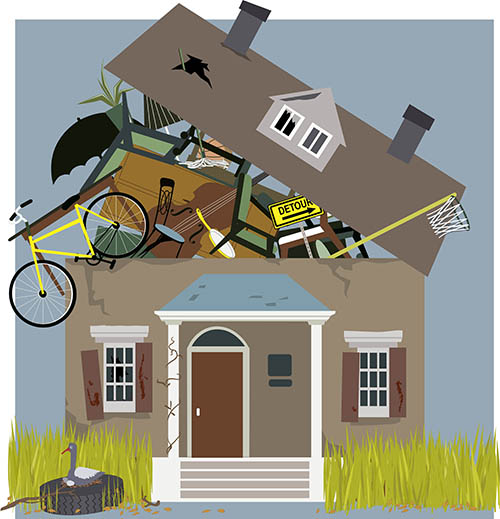
Hoarding
Biomedical Waste Disposal Tucker
Biomedical waste disposal Tucker requires specialized knowledge, regulatory compliance, and professional handling protocols that most property owners and business operators are unfamiliar with. Whether you're managing a medical facility, handling a biohazard cleanup situation, or simply need to understand what constitutes biomedical waste, the complexity extends far beyond standard waste management. Econ Biohazard Services provides comprehensive biomedical waste disposal Tucker and throughout Georgia with OSHA and EPA-compliant protocols, ensuring that hazardous materials are handled safely and legally from collection through final disposition.
1. Biomedical Waste Includes More Categories Than Most People Realize
Biomedical waste encompasses any solid waste generated during the diagnosis, treatment, or immunization of human beings or animals, including research activities pertaining thereto and the production or testing of biologicals. This definition is broader than many assume. The category includes pathological waste (human tissues and organs), infectious waste (materials contaminated with blood or body fluids), sharps (needles, scalpels, broken glass), pharmaceutical waste, and even certain chemical byproducts from medical procedures.
When comparing different waste streams, the distinction matters significantly. A blood-soaked bandage, a specimen container, and a contaminated medical instrument all require different handling, segregation, and disposal methods. Understanding these distinctions prevents cross-contamination and ensures compliance with regulatory frameworks that govern how each category must be managed.
2. Regulatory Compliance Involves Multiple Authorities and Standards
Biomedical waste disposal Tucker must adhere to standards established by the Occupational Safety and Health Administration (OSHA), the Environmental Protection Agency (EPA), and Georgia-specific regulations. These agencies impose overlapping but distinct requirements regarding waste segregation, container labeling, storage duration, transportation documentation, and final treatment methods. Non-compliance carries penalties ranging from citations and fines to operational shutdowns and criminal liability in severe cases.
The data suggests that many facilities underestimate the scope of these requirements. OSHA mandates that sharps containers be rigid, leak-proof, and clearly labeled with the biohazard symbol. The EPA regulates medical waste incinerators and establishes emission standards. Georgia's Department of Public Health enforces additional state-level requirements. Professional biomedical waste disposal services maintain current knowledge of these evolving standards, reducing your compliance risk substantially.
"Professional biomedical waste disposal ensures that hazardous materials are handled safely and legally from collection through final disposition, protecting both public health and your facility's operational continuity."
3. Improper Disposal Creates Serious Health and Environmental Risks
Biomedical waste that enters regular municipal waste streams poses direct threats to sanitation workers, the general public, and environmental systems. Infectious materials can transmit bloodborne pathogens including hepatitis B, hepatitis C, and HIV. Sharps create immediate injury risks. Pharmaceutical waste contaminates groundwater and aquatic ecosystems. Chemical waste from medical diagnostics can persist in soil for years. These consequences extend far beyond the initial disposal point.
The analysis reveals that contaminated landfills and incinerators operating without proper controls generate airborne hazards affecting communities miles away. This is why professional biomedical waste disposal Tucker services exist as a regulated industry-the stakes are genuinely high. Econ Biohazard's approach prioritizes containment, neutralization, and authorized treatment methods that prevent these cascading risks.
4. Treatment Methods Vary Based on Waste Category and Local Regulations
Biomedical waste doesn't follow a one-size-fits-all disposal path. Different treatment technologies serve different purposes. Autoclaving (steam sterilization) works effectively for certain infectious waste and can render materials safe for disposal as ordinary waste. Incineration remains the standard for pathological waste, pharmaceutical waste, and highly contaminated materials. Chemical disinfection addresses specific liquid waste streams. Microwave treatment and other emerging technologies serve specialized applications in different jurisdictions.
When comparing treatment methods, the key variables include waste composition, regulatory approval in your jurisdiction, environmental impact, and cost efficiency. Georgia-based facilities must use treatment methods approved by state and federal authorities. Professional disposal companies maintain relationships with multiple licensed treatment facilities, selecting the appropriate method based on your specific waste composition and regulatory requirements.
5. Documentation and Chain of Custody Requirements Are Extensive
Biomedical waste disposal involves detailed documentation at every stage. Generators must track waste from the point of generation through segregation, storage, transportation, and final treatment. This documentation includes waste volume, composition, generator information, transporter credentials, and treatment facility records. These records must be maintained for specified periods and made available for regulatory inspection.
The audit trail serves multiple purposes: regulatory compliance verification, liability protection, environmental accountability, and process improvement. A single missing document or incorrectly completed form can result in regulatory violations. Professional biomedical waste disposal Tucker services manage this documentation burden, ensuring complete records that withstand inspection and provide legal protection for your facility.
6. Cost Factors Extend Beyond the Disposal Fee
While disposal fees represent the most visible cost, comprehensive biomedical waste management involves additional expenses and value considerations. These include proper container procurement, staff training on segregation protocols, storage facility requirements (temperature control, pest prevention), transportation costs, treatment facility fees, and documentation management. When analyzing total cost of ownership, some facilities spend significantly more on compliance failures and rework than they would have invested in professional services initially.
Insurance coverage also factors into the financial analysis. Many liability policies require that biomedical waste be handled by licensed professionals to maintain coverage validity. Professional disposal services often assist with insurance billing and documentation, effectively reducing your net costs. For businesses throughout Macon and surrounding Georgia areas, Econ Biohazard provides transparent pricing that accounts for these various components.
7. Emergency Response and Biohazard Situations Require Specialized Expertise
Beyond routine medical waste disposal, situations involving crime scenes, unattended deaths, hoarding environments, or contamination events demand immediate professional response. These situations combine biomedical waste disposal requirements with trauma scene remediation, requiring expertise in pathogen identification, decontamination protocols, and psychological sensitivity to affected families and property owners.
Professional response teams like Econ Biohazard maintain 24/7 availability to handle urgent biohazard situations throughout Georgia. The initial response typically occurs within 30 minutes to one hour of contact. These teams arrive equipped with personal protective equipment, industrial-grade decontamination technology, and comprehensive knowledge of both medical waste protocols and trauma-informed communication. Having access to such resources means you're not navigating an overwhelming situation alone-you have expert guidance and assured compliance regardless of the complexity.
Frequently Asked Questions
What qualifies as biomedical waste that needs professional disposal?
Biomedical waste includes any solid waste generated during medical diagnosis, treatment, immunization, research, or biological product testing. This encompasses pathological waste (human tissues), infectious materials (blood-soaked items), sharps (needles and broken glass), pharmaceutical waste, and chemical byproducts from medical procedures. Any material that may contain human blood or body fluids, pathogens, or hazardous chemicals requires professional disposal rather than standard waste management.
Can I dispose of biomedical waste in regular trash or recycling?
No. Disposing of biomedical waste in regular municipal waste is illegal and creates serious health risks to sanitation workers and the public. Biomedical waste must be segregated, contained in approved containers, and treated through authorized methods before any portion can enter regular waste streams. Improper disposal violates OSHA and EPA regulations and can result in significant fines and liability exposure.
How long can biomedical waste be stored before it must be treated or disposed?
Storage duration varies based on waste type and state regulations, but generally ranges from 30 to 90 days depending on whether waste is refrigerated and local authority requirements. Non-refrigerated infectious waste typically cannot be stored longer than 48 hours in warm climates. Professional biomedical waste disposal services establish storage schedules that comply with applicable regulations and prevent degradation or contamination.
What happens to biomedical waste after it's picked up for disposal?
After collection, biomedical waste is transported in specialized containers by licensed carriers. It then undergoes treatment at an authorized facility using approved methods such as autoclaving, incineration, chemical disinfection, or microwave treatment, depending on waste type and regulatory requirements. Complete documentation is maintained throughout this process, and you receive records confirming proper treatment and disposal.
Do I need professional help for biomedical waste disposal or can my staff handle it internally?
While some facilities manage basic waste segregation internally, professional disposal services are essential for transport and treatment. Most regulatory frameworks and insurance policies require that final disposal be handled by licensed professionals to ensure compliance and maintain liability coverage. Professional services also provide staff training, proper documentation, and expertise in complex situations, making them cost-effective regardless of facility size.