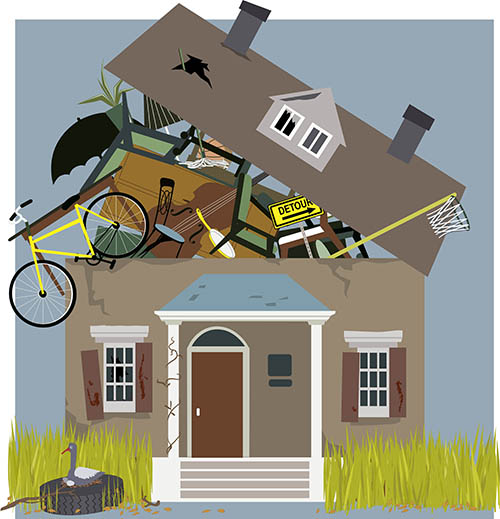
Hoarding
Hoarding Cleanup Service Alamo
Dealing with a hoarding situation can feel overwhelming, isolating, and frankly, impossible to know where to begin. Whether you're a family member trying to help a loved one, a property manager handling a tenant situation, or someone personally struggling with accumulation, you're not alone-and you don't have to figure this out by yourself. This guide walks you through the entire process of arranging a professional hoarding cleanup service in Alamo and across Georgia, so you understand what to expect and how to move forward with confidence and compassion.
By the end of this guide, you'll know how to assess the situation, find qualified help, prepare for the cleanup, and support the recovery process. A professional hoarding cleanup service in Alamo isn't just about removing items; it's about restoring dignity, safety, and livable space while addressing the underlying causes with sensitivity.
Step 1: Assess the Scope and Safety Concerns
Before reaching out to a hoarding cleanup service, spend time honestly evaluating what you're dealing with. Walk through the space-or if that's unsafe, observe from doorways-and ask yourself: How many rooms are affected? Are there visible biohazards, mold, pest infestation, or structural damage? Is the electrical system compromised? Are pathways blocked? Are there odors, stains, or signs of medical neglect? These questions matter because they determine the complexity and urgency of professional intervention.
Safety comes first. If you notice signs of electrical hazard, structural collapse, severe mold, rodent or insect infestation, or bodily fluid contamination, this isn't a DIY project. This is exactly the kind of situation that requires a specialized hoarding cleanup service in Alamo with proper training, equipment, and licensing. Document what you see with photos if it's safe to do so-this helps professionals plan their approach and helps with insurance claims if applicable.
Step 2: Understand Legal and Emotional Considerations
Hoarding situations often involve complex emotional, legal, and medical dimensions. If someone is living in the space, understand that hoarding disorder is a mental health condition; the cleanup alone won't solve it without concurrent mental health support. If you're arranging cleanup for someone else, know your legal standing. Do you have power of attorney, guardianship, or landlord authority? In some cases, hoarding cleanup requires court involvement or intervention from adult protective services.
Take time to communicate with the person affected, if possible. Explain that professional help respects their dignity and that removing biohazards protects their health. A compassionate hoarding cleanup service in Alamo recognizes this emotional dimension and approaches the work with understanding rather than judgment. This matters for long-term success and for preventing re-accumulation.
Step 3: Contact a Licensed Biohazard and Hoarding Cleanup Professional
Now it's time to find the right team. When searching for a hoarding cleanup service in Alamo, look for companies that meet these criteria:
- Available for 24/7 emergency response
- Licensed and insured for biohazard remediation
- OSHA and EPA-compliant protocols
- Experience with hoarding situations specifically
- Ability to handle medical waste disposal and decontamination
- Insurance billing assistance to reduce out-of-pocket costs
- Compassionate, professional staff trained in trauma-informed care
Call with details about the situation: the size of the space, visible hazards, timeline needs, and budget concerns. Ask about their assessment process and whether they offer a free on-site evaluation. Econ Biohazard Services, serving Georgia statewide with particular strength in Macon and surrounding areas, operates with rapid response averaging 30 minutes to one hour-critical when health and safety are at stake. Request references and verify licensing. The right hoarding cleanup service in Alamo will answer your questions clearly and without pressure.
Step 4: Prepare, Execute, and Support Recovery
Once you've selected a professional team, here's what happens next: A pre-cleanup meeting discusses the plan, timeline, cost, and any special items the affected person wants preserved. The team will establish work zones, secure the property, and begin systematic removal and categorization of items. Hazardous materials are segregated and disposed of according to regulations. Surfaces are decontaminated using industrial-grade disinfection. The space is restored to livable condition.
Your role during cleanup is to be available for decision-making and emotional support, not to do the work yourself. After the cleanup concludes, the real recovery begins: arrange mental health counseling, establish support systems, and create accountability structures to prevent re-accumulation. Many people benefit from therapy, support groups, and ongoing case management. Because hoarding often stems from trauma, grief, depression, or anxiety, addressing the root cause is essential for lasting change. Professional hoarding cleanup service providers across Georgia understand that the cleanup is step one of a longer healing journey.
Frequently Asked Questions
How much does a hoarding cleanup service in Alamo typically cost?
Hoarding cleanup costs vary widely depending on the size of the space, severity of contamination, types of biohazards present, and local labor rates. Smaller projects might range from a few hundred dollars, while extensive hoarding situations can cost several thousand dollars. Many insurance policies cover cleanup if biohazards are documented, and professional services can assist with insurance billing to reduce your out-of-pocket expense.
How long does a hoarding cleanup typically take?
Timeline depends entirely on the scope of the project. A single room might take one to two days, while a full house hoarding situation could take one to three weeks or longer. Professional teams work systematically and safely, prioritizing hazard removal and decontamination over speed. Your cleanup provider will give you a realistic timeline after the initial assessment.
What happens to items during a hoarding cleanup?
Professional hoarding cleanup teams typically sort items into categories: keep, donate, recycle, and dispose. Items the affected person wants preserved are carefully handled and organized. Hazardous items, biohazard-contaminated materials, and medical waste are disposed of according to OSHA and EPA regulations. Donation centers and recycling facilities receive usable items when appropriate.
Is hoarding cleanup service available immediately in Alamo?
Yes, specialized biohazard and hoarding cleanup companies serving Georgia offer 24/7 emergency response. Response times typically average 30 minutes to one hour from your call, depending on current demand and your location within the service area. This rapid response is critical when health and safety hazards are present.
Do I need to be present during the hoarding cleanup?
It depends on the situation. If you have legal authority (power of attorney, guardianship, or landlord status), you may choose to oversee the project. However, being present is not required. Many people find it emotionally easier to step back and let professionals handle the work, then return to inspect the restored space afterward.
Can hoarding cleanup service help with pest infestation and mold?
Yes. Professional biohazard and hoarding cleanup services are equipped to handle contamination from pests, mold, and other biohazards. They apply industrial-grade disinfection and remediation protocols compliant with EPA and OSHA standards. However, severe structural mold or infestations may require specialized contractors; your cleanup provider will identify this and coordinate as needed.
What should I do after hoarding cleanup to prevent re-accumulation?
After professional cleanup, arrange mental health support such as therapy or counseling to address underlying causes like depression, trauma, or anxiety. Consider ongoing case management, support groups, and regular check-ins with trusted friends or family. Establish systems like scheduled cleanings, donation routines, and clear organizational boundaries to maintain the restored space and support long-term recovery.