Hoarding
Hoarding Cleanup Service Ashburn
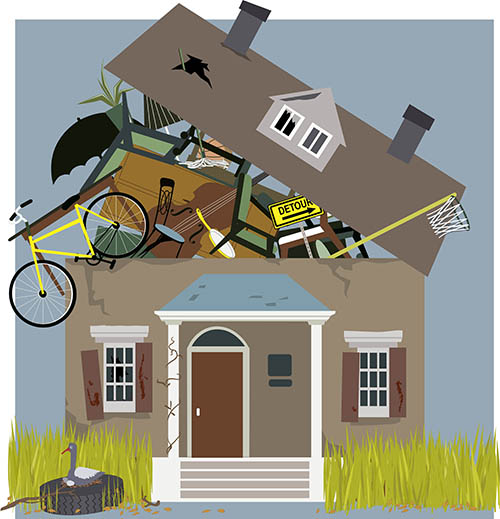
Hoarding disorder affects approximately 2-5% of the population and creates complex cleanup challenges that extend beyond standard janitorial services. A hoarding cleanup service Ashburn specializes in the safe, dignified, and compliant remediation of spaces where compulsive accumulation has created biohazard conditions. Unlike routine cleaning, professional hoarding cleanup addresses structural contamination, pest infestation vectors, air quality degradation, and psychological sensitivity-requiring technical expertise, specialized equipment, and compassionate methodology.
When a residence or commercial property becomes compromised by hoarding, the accumulated materials often harbor bacteria, mold spores, rodent droppings, and decomposition byproducts that pose serious health risks. Standard cleaning protocols fail because the contamination penetrates surfaces, HVAC systems, and structural cavities. This is why families and property managers throughout Ashburn and surrounding areas turn to specialized professionals who understand both the technical requirements and human dignity involved in remediation.
Understanding Hoarding Contamination: Health and Safety Implications
Hoarding environments develop multiple layers of contamination that demand systematic assessment before cleanup begins. The accumulation of materials creates conditions where pathogenic bacteria proliferate-specifically organisms like Salmonella, E. coli, and Staphylococcus aureus that colonize feces-contaminated surfaces common in neglected spaces. Rodent and insect infestations are nearly universal in severe hoarding situations, introducing additional pathogens through urine, feces, and body fragments.
Mold colonization occurs in hidden areas where moisture concentrates-behind walls, beneath flooring, and within HVAC ductwork. Aspergillus and Penicillium species produce mycotoxins that trigger respiratory inflammation even after visual mold removal. Air quality degradation from volatile organic compounds (VOCs) released by decomposing materials, combined with ammonia from urine saturation, creates hazardous atmospheric conditions. Professional hoarding cleanup service Ashburn protocols begin with industrial hygiene assessment-using air quality monitoring equipment to establish baseline contamination levels and identify remediation priorities.
The structural integration of contamination means surface-level cleaning is ineffective. Biohazard remediation requires containment barriers, negative air pressure systems to prevent cross-contamination, and controlled removal with proper waste segregation. This technical approach protects both occupants and remediation personnel while ensuring compliance with OSHA and EPA protocols that govern hazardous material handling.
Professional Remediation Process: Methodology and Standards
Comprehensive hoarding cleanup follows a structured protocol that distinguishes professional remediation from conventional cleaning. The process begins with intake assessment-documenting the property condition, identifying specific hazards, and determining whether the situation requires specialized medical waste protocols or standard biohazard decontamination. This initial evaluation informs resource allocation, timeline estimation, and personnel safety planning.
The containment phase establishes physical barriers using plastic sheeting and duct tape to isolate affected areas from uncontaminated zones. Negative air pressure machines create airflow directed toward HEPA filtration systems, preventing aerosolized contamination from spreading throughout the structure. Personnel deploy appropriate personal protective equipment (PPE) scaled to the hazard level-including respiratory protection, disposable suits, gloved layers, and foot coverings that prevent pathogen transfer.
Material removal and sorting is methodical rather than bulk disposal. Items are categorized as salvageable, biohazard waste, or general refuse. Salvageable belongings receive cleaning and deodorization when emotionally significant. Biohazard materials-including contaminated textiles, saturated insulation, and compromised food storage-enter medical waste streams for incineration or approved disposal. A hoarding cleanup service Ashburn working with professional standards maintains detailed documentation of all materials removed, which assists with insurance claims and provides families with closure-supporting records.
Decontamination procedures employ EPA-approved disinfectants applied at appropriate contact times and concentrations. Hospital-grade quaternary ammonium compounds or phenolic disinfectants address bacterial loads. Enzymatic cleaners break down organic residue that harbors pathogenic microorganisms. Hard surfaces receive mechanical cleaning followed by chemical disinfection. Porous materials like drywall, subflooring, or insulation contaminated beyond remediation threshold require removal and replacement.
Odor elimination addresses compounds bonded to structural materials-requiring source removal combined with activated charcoal systems, ozone treatment (when applied safely post-remediation), and enzymatic neutralizers that break chemical bonds rather than simply masking odors. Final air quality verification using particle counters and gas sensors confirms the space meets acceptable contamination thresholds before occupancy restoration.
Working With Insurance and Professional Support Systems
Most significant hoarding cleanup situations qualify for insurance coverage when documented as property damage resulting from neglect or environmental contamination. However, navigating claim submission requires understanding the distinction between voluntary hoarding (typically uninsurable) and conditions resulting from medical events, mental health crises, or involuntary circumstances. Professional remediation companies assist by providing detailed scope-of-work documentation that insurance adjusters use for claim evaluation.
The hoarding cleanup service Ashburn professionals who partner with families throughout Georgia, particularly in the Macon region and surrounding areas, function as advocates within the insurance process. They generate photographic evidence of contamination severity, specify materials requiring removal, detail labor and equipment requirements, and provide cost estimates that support reasonable claim settlements. This documentation proves invaluable when disputes arise regarding what constitutes necessary remediation versus optional enhancement.
Beyond insurance coordination, professional remediation companies connect families with mental health resources, social services, and estate management support. Hoarding situations often signal underlying psychological conditions, medical fragility, or social isolation requiring intervention beyond cleanup. Coordinating remediation with therapeutic support increases the likelihood that the property remains functional long-term rather than cycling back into compromised conditions.
Response time affects both cost and outcome. Rapid professional intervention prevents secondary contamination spread, reduces structural material compromise, and maintains better salvage rates for personal belongings. Services providing 24/7 emergency capabilities-achieving response within 30 minutes to one hour in most situations-preserve property integrity and support families during crisis periods when access to immediate professional help matters most.
Practical Recommendations for Property Owners and Families
- Document the property condition comprehensively with photographs and video before remediation begins-this supports insurance claims and provides baseline evidence of contamination severity.
- Identify sensitive personal items before cleanup starts so these can be carefully preserved rather than inadvertently discarded during bulk removal.
- Obtain multiple written estimates specifying materials, labor hours, equipment, and disposal methods-transparent pricing prevents surprises and clarifies scope differences between service providers.
- Request references from past clients and verify that the company holds appropriate licensing for biohazard remediation in Georgia-professional credentials directly correlate with protocol compliance and safety.
- Ask about post-remediation support, including follow-up inspections and guidance on preventing recurrence-the cleanup itself is only effective long-term when combined with environmental and behavioral modifications.
- Coordinate with mental health professionals or social services simultaneously-the physical environment requires restoration alongside the psychological support that addresses underlying causes.
Frequently Asked Questions
How much does hoarding cleanup service in Ashburn typically cost?
Hoarding cleanup costs vary significantly based on contamination severity, property size, material volume, and required decontamination intensity. Small residential cleanups may range from several hundred dollars, while severe situations requiring structural remediation, professional waste disposal, and extended labor can reach tens of thousands of dollars. Requesting detailed written estimates from multiple providers allows cost comparison based on specific scope specifications rather than relying on broad price ranges.
Can homeowner's insurance cover hoarding cleanup expenses?
Insurance coverage for hoarding cleanup depends on whether the situation resulted from insurable events like weather damage, medical events, or involuntary circumstances versus voluntary accumulation. Professional remediation companies assist by documenting contamination severity and generating scope-of-work documentation that supports insurance claims. Policy review and adjuster communication are essential-coverage determinations vary significantly between policies and insurers.
How long does professional hoarding cleanup take?
Remediation duration depends on property size, contamination severity, and required decontamination depth. Small residential projects may require 2-5 days, while moderate to severe situations spanning multiple rooms or structures could require 1-3 weeks of systematic remediation. Initial assessment determines realistic timelines, and professional companies provide detailed scheduling that accounts for containment setup, material removal, decontamination, and final verification phases.
What happens to personal items during hoarding cleanup service Ashburn projects?
Professional remediation distinguishes between biohazard waste requiring disposal and salvageable belongings that can be cleaned and preserved. Families identify emotionally significant items before cleanup begins so these receive careful handling and cleaning rather than bulk discard. Non-contaminated items typically remain in family possession, while biohazard-compromised materials enter appropriate medical waste disposal streams to prevent health risks.