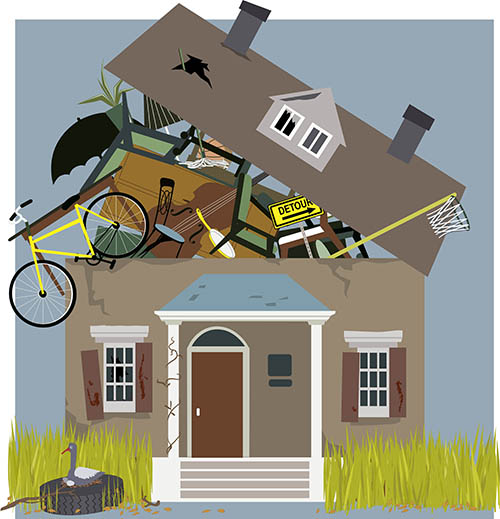
Hoarding
Hoarding Cleanup Service Dry Branch
Hoarding situations present complex environmental and health challenges that extend far beyond simple organization or decluttering. A professional hoarding cleanup service in Dry Branch requires specialized knowledge of biohazard containment, structural assessment, and regulatory compliance. Econ Biohazard Services operates throughout Georgia, including the Macon area and surrounding communities like Dry Branch, providing 24/7 emergency response for properties affected by hoarding conditions. Understanding what professional hoarding cleanup entails helps families and property managers make informed decisions about remediation.
Assessment and Contamination Classification Precedes All Cleanup Work
Before any physical cleanup begins, a thorough environmental assessment determines the scope, classification level, and required remediation methodology. This assessment identifies biohazard categories present in the property: bacterial colonies, mold proliferation, pest infestation evidence, structural damage, and bodily fluid contamination. The technician evaluates air quality, surface contamination patterns, and potential cross-contamination pathways to design a cleanup protocol that prevents spreading contaminants to unaffected areas.
Classification determines the personal protective equipment (PPE) tier required, containment barriers needed, and disposal methods for affected materials. A hoarding cleanup service in Dry Branch cannot proceed responsibly without this data-driven assessment. Properties with extensive mold growth, rodent populations, or biohazardous material require Class III or Class IV containment protocols-essentially sealed work environments with negative air pressure to prevent airborne particle escape.
Industrial-Grade Decontamination Uses EPA-Compliant Disinfectants and Equipment
Hoarding environments develop microbial loads measured in colony-forming units (CFUs) far exceeding safe residential thresholds. Standard household cleaning products cannot address this contamination level. Professional hoarding cleanup service providers use hospital-grade disinfectants approved by the Environmental Protection Agency (EPA) and applied using electrostatic spraying equipment or fogging systems that penetrate porous surfaces and enclosed spaces where standard wiping cannot reach.
The decontamination process follows a multi-stage methodology: initial gross decontamination removes visible debris and biohazardous material, secondary chemical treatment applies EPA-registered disinfectants with documented contact times, and final verification confirms contamination reduction to acceptable levels. Econ Biohazard Services maintains OSHA and EPA compliance throughout Georgia operations, ensuring that hoarding cleanup in communities like Dry Branch meets federal health and safety standards rather than relying on improvised or inadequate methods.
Waste Disposal Requires Licensed Biomedical Waste Management and Documentation
Materials removed from hoarding properties frequently qualify as medical waste, biohazardous waste, or hazardous materials requiring specialized disposal rather than standard landfill placement. Contaminated textiles, personal items exposed to bodily fluids, medical waste, sharps, and materials with visible mold or pest contamination cannot enter municipal solid waste streams. A hoarding cleanup service must coordinate with licensed biomedical waste disposal facilities that provide chain-of-custody documentation proving compliant handling and incineration.
This documentation protects property owners from environmental liability and ensures regulatory compliance with state and federal waste management laws. Dry Branch property managers working with a professional hoarding cleanup service receive detailed disposal records demonstrating that contaminated materials were handled and destroyed according to protocol. This accountability distinguishes professional remediation from amateur cleanup attempts that create disposal and legal risks.
Structural Remediation and Restoration Follows Decontamination Protocols
Extended hoarding conditions damage building materials through moisture accumulation, pest activity, and structural stress from stored materials. After decontamination, assessment of flooring, drywall, subflooring, and structural framing determines what can be cleaned and restored versus what requires removal and replacement. Subfloors may have absorbed biological fluids creating permanent contamination; drywall exposed to mold typically cannot be adequately remediated and requires replacement.
Professional hoarding cleanup service providers coordinate with qualified contractors to address these structural issues, ensuring the property reaches habitable condition rather than simply removing visible contaminants. A hoarding cleanup service in Dry Branch that addresses contamination without remediating structural damage leaves the property unsafe for occupancy. The full remediation timeline varies based on property size and contamination extent, but comprehensive cleanup and structural restoration represents the appropriate standard for responsible property recovery.
Frequently Asked Questions
How long does professional hoarding cleanup typically take?
Timeline varies based on property size and contamination extent, ranging from several days to multiple weeks for severely affected homes. Initial assessment determines the scope; decontamination, waste removal, and structural repairs proceed simultaneously when possible. Econ Biohazard Services provides timeline estimates during the assessment phase so property owners understand the full remediation schedule.
Does hoarding cleanup service in Dry Branch help with insurance claims?
Yes, professional hoarding cleanup services provide detailed documentation of contamination assessment, remediation procedures, waste disposal records, and restoration work that supports insurance claims. This documentation proves that remediation was performed to professional standards and helps justify claim amounts. Many insurance policies cover professionally-managed hoarding cleanup when claims are filed properly with supporting evidence.
What makes professional hoarding cleanup different from junk removal?
Junk removal services haul items away without addressing biohazard contamination, mold, or structural damage, leaving residual contamination and health risks. Professional hoarding cleanup includes contamination assessment, EPA-compliant disinfection, biomedical waste disposal, and structural remediation to restore properties to safe, habitable condition. The difference is the elimination of health hazards versus simple clutter removal.
Are hoarding cleanup crews trained to handle sensitive family situations?
Professional hoarding cleanup teams are trained to manage situations with compassion and discretion, understanding that hoarding often involves trauma, mental health challenges, or grief. Econ Biohazard Services emphasizes professional, respectful handling throughout Georgia and the Macon area. Crews maintain confidentiality and coordinate with family members to ensure the process protects both the property and the individual's dignity.
What safety equipment do hoarding cleanup technicians wear?
Technicians wear tier-appropriate personal protective equipment determined by contamination assessment, typically including respirators with HEPA filtration, protective suits, gloves, and eye protection. Mold, bacterial contamination, and pest-related hazards require respiratory protection to prevent inhalation exposure. The specific PPE tier increases with contamination severity to ensure technician safety during remediation work.
Is hoarding cleanup service available for emergency situations in Dry Branch?
Yes, Econ Biohazard Services operates 24/7 emergency response throughout Georgia with average response times between 30 minutes to one hour. Emergency hoarding cleanup is available when properties require immediate remediation due to health code violations, eviction timelines, or other urgent circumstances. Contact the service immediately for emergency availability.