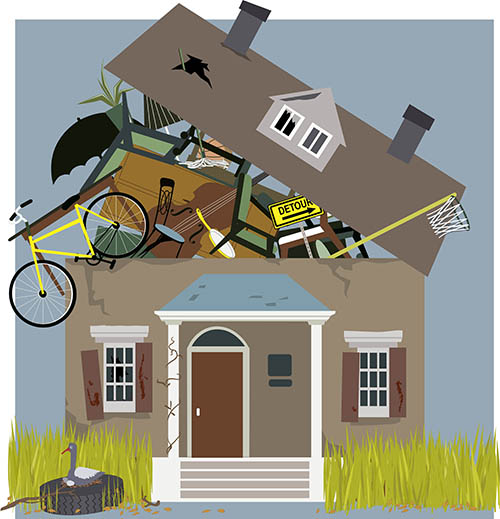
Hoarding
Hoarding Cleanup Service Forest Park
When a hoarding situation develops, the accumulated debris, biological contaminants, and structural hazards create conditions that demand specialized intervention. A professional hoarding cleanup service in Forest Park isn't simply about removing items-it involves identifying and safely eliminating biohazards, restoring structural integrity, and addressing the underlying conditions that allowed contamination to develop. Econ Biohazard Services provides comprehensive hoarding cleanup across Georgia with particular expertise in Forest Park and surrounding Macon-area communities, operating with 24/7 emergency response capabilities and full OSHA and EPA compliance.
What Makes Hoarding Situations Different from Standard Junk Removal?
Hoarding environments contain concentrated biological hazards that standard waste removal cannot address. When items accumulate for extended periods without proper sanitation, bacteria, mold colonies, and pathogenic organisms proliferate throughout the space. The structural components-walls, flooring, HVAC systems-absorb contaminants that pose ongoing health risks even after visible debris removal.
A professional hoarding cleanup service in Forest Park must distinguish between the physical removal phase and the remediation phase. Physical removal involves safely bagging, categorizing, and transporting accumulated materials according to waste classification protocols. The remediation phase requires industrial-grade disinfection, antimicrobial treatment of affected surfaces, air quality assessment, and restoration of safe environmental conditions. Standard junk removal companies lack the licenses, equipment, and technical knowledge for this second phase, leaving residual contamination that creates respiratory illness, skin infections, and continued infestation risks.
Econ Biohazard's hoarding cleanup service addresses both phases systematically. Technicians conduct initial environmental assessment to document contamination levels, identify structural damage, and develop a remediation protocol before work begins. This prevents incomplete cleanup and ensures compliance with Georgia health department guidelines.
What Specific Protocols Does Professional Hoarding Remediation Follow?
The hoarding cleanup service process follows a structured sequence designed to protect both occupants and cleanup personnel. Initial assessment involves documenting conditions, identifying biohazard types (fecal matter, bodily fluids, mold, pest infestation), and determining whether structural components require replacement or treatment.
The removal and containment phase uses controlled negative air pressure in designated work zones to prevent airborne contaminants from spreading to adjacent areas. Technicians wear appropriate personal protective equipment-typically including respirators rated for particulate and chemical exposure, disposable suits, and double-gloved hands. Materials are bagged in heavy-duty, puncture-resistant containers and segregated by waste type: general waste, biohazardous waste, and materials requiring specialized disposal.
Following debris removal, the decontamination phase begins. All exposed surfaces-flooring, walls, ceiling structures, HVAC components-receive application of EPA-registered disinfectants designed for the specific contaminant types identified. For mold contamination, antifungal treatments are applied; for bacterial contamination, hospital-grade bactericides are used. This differs substantially from standard cleaning because concentrations, contact times, and surface preparation follow industrial hygiene protocols rather than housekeeping standards.
Post-remediation air quality testing verifies that particulate levels, mold spore counts, and bacterial colonies meet safe environmental standards. Documentation of all procedures protects property owners in insurance claims and creates a record of completed remediation.
| Phase | Objective | Key Methods |
|---|---|---|
| Assessment | Document conditions and identify hazards | Environmental sampling, photographic documentation, hazard classification |
| Containment Setup | Prevent cross-contamination | Negative air pressure, barrier installation, personnel protection |
| Material Removal | Extract accumulated debris safely | Segregation by waste type, compliant disposal routing |
| Decontamination | Eliminate residual biological hazards | EPA-registered disinfectants, surface treatment, HVAC cleaning |
| Verification | Confirm safe environmental conditions | Air quality testing, final inspection, documentation |
How Does Insurance Coverage Work for Hoarding Cleanup?
Homeowners often wonder whether insurance policies cover hoarding cleanup costs. Standard homeowners insurance typically does not cover cleanup resulting from neglect or accumulation, since hoarding develops over time rather than from sudden, covered events. However, if secondary damage occurs-such as water intrusion causing mold, or pest infestation creating structural damage-the cleanup associated with those covered events may qualify for partial coverage.
Econ Biohazard assists clients in navigating insurance claims by providing detailed scope-of-work documents, photographic evidence, and professional assessments that clarify what damage falls under covered categories. This documentation helps insurance adjusters understand the distinction between the hoarding cleanup itself and any secondary damage requiring remediation. In some cases, property owners discover that specific remediation components-structural repairs, HVAC restoration-are insurable even if the debris removal is not.
For situations where insurance coverage is unavailable, Econ Biohazard works with property owners and families to establish realistic remediation timelines and prioritized service phases. This approach allows for comprehensive cleanup without requiring full payment upfront, making professional intervention accessible even in financially constrained situations.
Georgia residents and families in Forest Park who face hoarding situations should contact Econ Biohazard's 24/7 emergency line to discuss their specific circumstances. The company's statewide service area, including Macon and surrounding communities, means response times typically fall between 30 minutes to one hour, allowing rapid intervention before contamination spreads further.
Frequently Asked Questions
How quickly can a hoarding cleanup service respond in Forest Park?
Econ Biohazard maintains 24/7 emergency response with average arrival times of 30 minutes to one hour throughout Forest Park and the surrounding Macon area. Because hoarding situations can pose immediate health risks, rapid professional assessment and containment prevent additional contamination and structural damage during the critical initial period.
Is hoarding cleanup covered by health insurance or disability assistance programs?
Hoarding cleanup costs are generally not covered by health insurance or standard assistance programs, as they are considered environmental remediation rather than medical services. However, some communities offer hoarding intervention programs through social services, and professional cleanup documentation may support disability or elder care funding applications-Econ Biohazard can assist with providing documentation for these submissions.
What happens to items removed during hoarding cleanup?
Items are segregated by category: recyclables go to appropriate facilities, hazardous materials follow EPA disposal protocols, and general waste goes to permitted landfills. Before removal begins, the hoarding cleanup service should identify items of potential value or sentimental importance so family members can retrieve them; Econ Biohazard coordinates with property owners to preserve important documents, photos, or keepsakes before disposal.
Can hoarding cleanup prevent pest infestation from returning?
Professional hoarding remediation eliminates the environmental conditions that support pest colonies-food debris, moisture accumulation, and shelter-but does not guarantee future prevention without ongoing property maintenance. Econ Biohazard can recommend structural repairs and environmental modifications that reduce reinfestation risk, and coordination with pest control services may be necessary for comprehensive protection.