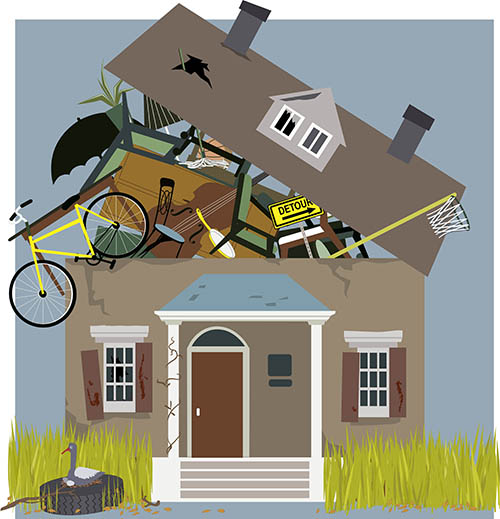
Hoarding
Hoarding Cleanup Service Lilly
Hoarding situations require specialized expertise, compassion, and rigorous adherence to health and safety protocols. This guide walks you through the professional process of addressing hoarding cleanup, whether you're a family member, property manager, or executor managing a property in Georgia. A professional hoarding cleanup service Lilly coordinator will follow these essential steps to restore your property safely and thoroughly.
Step 1: Conduct a Comprehensive Site Assessment
Before any cleanup begins, a trained specialist must perform an on-site evaluation to document the extent of contamination, structural integrity, and potential biohazards. This assessment includes photographing the space, identifying areas of biological growth (mold, bacteria, vermin infestation), and measuring air quality concerns. The evaluator will note any hazardous materials, including sharps, pharmaceuticals, or chemical substances that require specialized disposal protocols. This step typically takes 30 minutes to 2 hours depending on property size.
The assessment also determines whether additional specialists are needed, such as structural engineers for load-bearing assessments or environmental hygienists for air sampling. Documentation is critical because it establishes the baseline for insurance claims and regulatory compliance. Econ Biohazard Services maintains detailed records that support your claim process and demonstrate adherence to OSHA and EPA standards throughout Georgia, including Macon and surrounding areas.
Step 2: Establish Containment and Personal Protective Equipment Protocols
Professional remediation requires creating a controlled environment to prevent cross-contamination and protect workers and occupants. This involves sectioning off the affected areas using physical barriers, establishing negative air pressure systems where applicable, and implementing strict PPE (Personal Protective Equipment) requirements. Workers utilize full-body protective suits rated for biohazard exposure, respiratory protection (typically HEPA-filtered respirators or supplied air systems), double-gloved hands, and protective footwear.
Air filtration is handled through HEPA-equipped portable units that capture particulates down to 0.3 microns. Waste containment uses specialized red-bag systems and rigid containers categorized by material type---organic matter, non-hazardous items, and electronic waste. When you engage a hoarding cleanup service Lilly provider like Econ Biohazard, these protocols are non-negotiable components of every job, ensuring both immediate safety and long-term property integrity.
Step 3: Execute Systematic Removal and Decontamination
Removal proceeds methodically from least contaminated to most contaminated areas, preventing spread. Teams separate salvageable items (personal documents, photographs, valuables) from biohazard waste. All materials contacting biological matter undergo either disposal or specialized cleaning. Surfaces are first cleaned with enzymatic cleaners that break down organic residue at the molecular level, then disinfected with hospital-grade antimicrobials effective against bacterial and viral pathogens.
Hard surfaces receive treatment with quaternary ammonium compounds or phenolic disinfectants; porous materials like drywall, insulation, or flooring contaminated beyond cleaning thresholds are safely removed and replaced. Professional hoarding cleanup service Lilly teams document each phase photographically and maintain chain-of-custody records for disposed materials. Decontamination typically requires multiple passes over 2-5 days depending on severity.
Step 4: Verify Remediation and Restore the Property
Final verification uses objective testing when appropriate---ATP (Adenosine Triphosphate) swabs measure cleanliness levels, and air quality monitoring confirms acceptable microbial counts. A post-remediation walkthrough documents that all visible contamination is eliminated and structural elements are sound. The space is then prepared for occupancy through restoration work: painting, flooring installation, HVAC cleaning, and any necessary repairs.
Insurance assistance is coordinated throughout this final phase. Econ Biohazard maintains partnerships with major carriers and provides detailed invoicing that supports claim reimbursement. Once you receive final sign-off, your property is safe, compliant, and ready for reoccupancy. Across Georgia and particularly in Macon, this comprehensive approach transforms overwhelming situations into manageable remediation projects handled by trained professionals.
Additional Considerations for Your Hoarding Cleanup Service Lilly Project
Family involvement requires sensitivity; while some individuals benefit from participating in decisions about salvageable items, others experience trauma from re-engagement. Professional coordinators can facilitate this balance. Legal clearances from property owners or decision-makers must be documented before work begins. Psychological support resources should be offered post-cleanup, as hoarding situations often reflect underlying conditions requiring ongoing care.
The investment in professional biohazard remediation protects your health, property value, and legal liability. DIY approaches or unlicensed contractors create exposure to pathogenic contamination and regulatory violations. A hoarding cleanup service Lilly handled by licensed, insured professionals ensures your property restoration meets all health and safety standards without compromise.
Frequently Asked Questions
What makes professional hoarding cleanup service Lilly different from standard junk removal?
Professional hoarding cleanup addresses biohazard contamination including mold, bacteria, vermin infestation, and bodily fluid exposure---hazards that standard junk removal cannot safely handle. Licensed biohazard specialists follow OSHA and EPA protocols, use medical-grade disinfection, and properly dispose of contaminated materials, whereas general removal services lack this expertise and training.
How long does a typical hoarding cleanup service Lilly project take?
Timeline depends on property size and contamination severity, typically ranging from 2-10 days for moderate to severe situations. Initial assessment takes 30 minutes to 2 hours, removal and decontamination occur over multiple days, and final verification and restoration complete the process. Econ Biohazard provides time estimates following the site assessment.
Does hoarding cleanup service Lilly work with insurance claims?
Yes, professional biohazard remediation is often covered under homeowner's or commercial property insurance when the hoarding involves contamination or health hazards. Econ Biohazard provides detailed documentation and invoicing to support claim submission and helps navigate the reimbursement process with your carrier.
Is hoarding cleanup service Lilly emotionally sensitive to family situations?
Professional teams understand the emotional complexity of hoarding situations and approach families with compassion while maintaining professional boundaries. Coordinators can facilitate conversations about salvageable items, offer resources for underlying behavioral health, and work at a pace that respects individual circumstances.
What safety hazards are addressed in a hoarding cleanup service Lilly?
Professional remediation addresses biological contamination (mold, bacteria, viruses), pest infestation, chemical exposure, structural damage, sharps, and pharmaceutical waste. Specialized assessment identifies all hazards before cleanup begins, ensuring comprehensive protection for occupants and proper disposal protocols.
Can hoarding cleanup service Lilly help in Macon and surrounding Georgia areas?
Yes, Econ Biohazard Services provides statewide coverage throughout Georgia with 24/7 emergency response, with particular emphasis on Macon and surrounding areas. They maintain response times averaging 30 minutes to one hour for rapid, professional biohazard remediation.