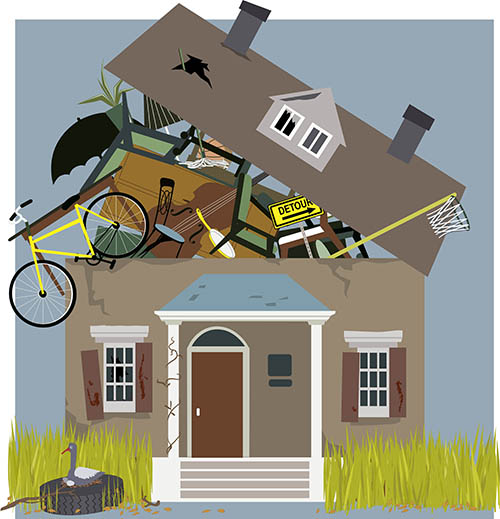
Hoarding
Hoarding Cleanup Service Loganville
Hoarding situations present complex physical, emotional, and health challenges that require specialized professional intervention. A hoarding cleanup service Loganville addresses not just the accumulation of items, but the underlying biohazard contamination, structural damage, and sanitation concerns that develop in severely cluttered environments. Whether caused by hoarding disorder, loss of mobility, cognitive decline, or other life circumstances, these spaces demand technical expertise, compassionate handling, and compliance with state and federal health codes. This guide explains what professional hoarding remediation involves, why it matters for health and safety, and how to access qualified services throughout Georgia, including specialized support in the Loganville and surrounding areas.
Understanding Hoarding Contamination and Health Risks
Hoarding environments create measurable biohazard conditions beyond simple clutter. Accumulated items trap moisture, dust, mold spores, and biological contaminants including fecal matter, urine, decomposing food, and pest droppings. These materials generate mycotoxins and bacterial colonies that become airborne and settle on surfaces, creating respiratory hazards, skin infections, and systemic health risks for occupants and visitors. Indoor air quality in severely hoarded spaces often measures 5-10 times higher in particulate matter and microbial load than standard contaminated environments.
Professional assessment identifies specific contamination types present. Mold colonization typically requires specialized testing to determine species and toxicity levels, as certain strains produce mycotoxins that cause neurological symptoms with prolonged exposure. Bacterial contamination from human or animal waste necessitates EPA-approved disinfectants and contact times to achieve pathogenic reduction. Pest infestations-common in hoarding situations-leave droppings and urine trails that harbor hantavirus, leptospirosis, and salmonella. A qualified hoarding cleanup service Loganville evaluates these conditions systematically before remediation begins, ensuring appropriate protocols are applied to specific contamination types rather than generic cleaning approaches.
Professional Remediation Process and Technical Standards
Comprehensive hoarding cleanup follows multi-phase protocols established by OSHA and EPA guidelines. The initial phase involves hazard assessment and containment planning. Technicians evaluate structural integrity, electrical safety, plumbing function, and the specific biohazard profile. Containment barriers are established using plastic sheeting and negative air pressure systems to prevent cross-contamination of unaffected areas. This step is critical because disturbing accumulated materials releases contaminants into the air; without proper containment, remediation can temporarily worsen indoor air quality in adjacent spaces.
The removal phase requires careful item sorting. Not everything in a hoarded space is waste-occupants often have attachment to specific items or important documents buried within accumulations. Professional teams separate salvageable items, documents requiring preservation, and contaminated materials requiring disposal as biohazard waste. Biomedical waste disposal follows Georgia Department of Public Health regulations; contaminated textiles, upholstery, and materials that cannot be decontaminated undergo incineration at licensed facilities rather than standard landfill disposal. This phase typically requires 40-80 hours depending on accumulation volume, square footage, and contamination severity.
Decontamination follows removal. Surfaces are cleaned mechanically to remove visible contamination, then treated with EPA-approved disinfectants at contact times specified for each chemical and pathogen type. Hard surfaces receive spray application with 10-minute contact time; porous surfaces like drywall or subflooring may require replacement if contamination has penetrated beyond surface layers. HVAC systems are inspected and cleaned; ductwork often accumulates particulate matter and requires professional duct cleaning using HEPA-filtered equipment. Final air quality testing confirms microbial and particulate levels have returned to acceptable ranges before occupancy restoration.
Insurance, Documentation, and Support Resources
Many families assume hoarding cleanup expenses fall entirely on personal funds, but several reimbursement pathways exist. Homeowner's insurance may cover portions of remediation if the hoarding situation resulted from a covered loss-for example, mold contamination following water damage. Medicare and Medicaid occasionally cover cleanup expenses when documented as necessary for safe discharge from medical facilities or to prevent hospitalization. Long-term care insurance policies sometimes include environmental remediation as part of care coordination benefits. Professional cleanup services, including those serving the Loganville area and broader Georgia region, typically assist with insurance documentation and billing coordination, translating technical assessments into language claims adjusters require for approval.
Hoarding situations frequently involve underlying behavioral health concerns. Successful remediation connects individuals with mental health support, case management, and ongoing environmental maintenance planning. Without addressing root causes, reaccumulation occurs within 6-12 months. Professional services coordinate with social workers, geriatric care managers, and occupational therapists to create post-cleanup support structures. Estate executors and family members managing hoarding situations in inherited properties benefit from this comprehensive approach-cleanup becomes part of a broader care and transition process rather than an isolated incident.
A hoarding cleanup service Loganville with statewide Georgia capabilities provides additional advantages: consistent technical standards across counties, access to specialized equipment like negative air machines and HEPA filtration units, and staff trained in both biohazard protocols and trauma-informed communication. Rapid response capability-30 minutes to one hour average arrival times-matters in urgent situations where occupants face eviction or health crises. Professional services document all procedures, provide before-and-after verification, and maintain compliance with local health department requirements, reducing liability for family members or property managers who might otherwise attempt remediation without proper certification.
Practical Recommendations for Seeking Service
When selecting a hoarding cleanup provider, verify OSHA compliance training documentation for all technicians. Staff should demonstrate knowledge of bloodborne pathogen protocols, personal protective equipment requirements, and proper waste segregation even if the specific hoarding situation doesn't involve bloodborne materials-this training indicates comprehensive biohazard competency. Request written assessment reports that specify contamination types identified, remediation methods proposed, and timeline projections. Transparent communication about what will and won't be saved protects expectations and reduces family conflict during the process.
Insurance billing assistance becomes essential for many families. Ask whether the service provider coordinates directly with insurance carriers, submits detailed documentation themselves, or requires families to manage claims independently. Services offering billing support typically recover a higher percentage of eligible expenses, offsetting their fee investment. Ask about post-cleanup maintenance recommendations and whether they provide periodic follow-up inspections to prevent rapid reaccumulation.
Document the hoarding situation before cleanup begins through photographs or video, particularly if property damage disputes, insurance claims, or inheritance questions might arise later. Professional services often provide this documentation as part of their assessment process. Finally, schedule hoarding cleanup at times when occupants can access temporary housing or family support; the cleanup process itself, while necessary, remains emotionally taxing for individuals with strong attachment to accumulated items or those experiencing cognitive decline related to hoarding behaviors.
Frequently Asked Questions
How much does hoarding cleanup cost in Loganville?
Hoarding cleanup costs vary based on accumulation volume, contamination severity, square footage, and whether items require specialized disposal as biohazard waste. Projects typically range from several thousand to tens of thousands of dollars depending on scope. Most professional services provide detailed written estimates after on-site assessment, and many assist with insurance claims that may cover portions of eligible remediation expenses.
Can hoarding cleanup services work with my insurance company?
Yes, professional hoarding cleanup services often coordinate directly with insurance carriers and submit detailed documentation supporting claims for coverage. Homeowner's insurance, Medicare, Medicaid, and long-term care policies may cover portions of remediation depending on the situation. Services experienced in insurance coordination typically recover a higher percentage of eligible expenses than families attempting claims independently.
How long does professional hoarding cleanup take?
Hoarding remediation timelines depend on accumulation volume, contamination types, and square footage; projects range from several days for moderate situations to multiple weeks for severe hoarding with significant structural contamination. Most professional assessments provide realistic timeline projections after evaluating the specific property, and services typically work to complete projects efficiently while maintaining compliance with OSHA and EPA protocols.
What happens to items found during hoarding cleanup?
Professional hoarding cleanup services separate items into categories: salvageable possessions (which may be stored or returned to occupants), important documents requiring preservation, and contaminated materials requiring biohazard disposal. Staff work respectfully with occupants to identify items with personal or financial significance, and contaminated materials undergo proper disposal through licensed facilities rather than standard landfills.