Hoarding
Hoarding Cleanup Service Manchester
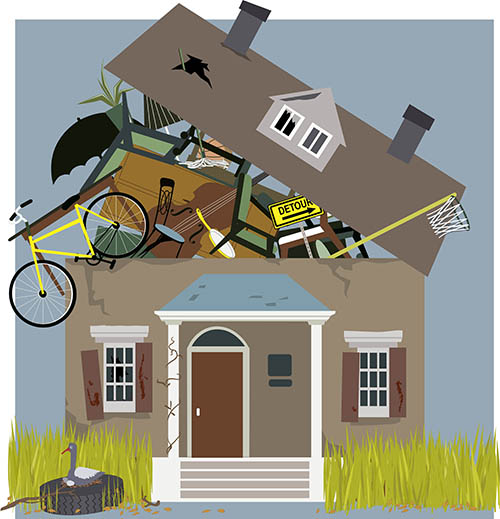
Picture this: You walk into a home in Manchester, and the weight of accumulated items hits you immediately. Boxes stacked to the ceiling, narrow pathways carved through decades of possessions, the air thick with dust and the unmistakable smell of neglect. Whether you're a family member, a property manager, or an estate executor, facing a hoarding situation can feel overwhelming. The good news is that professional help exists. A hoarding cleanup service Manchester specializes in transforming these spaces safely, compassionately, and with full compliance to health and safety standards. This guide walks you through the entire process, from initial assessment to final remediation, so you understand what to expect and how professional teams like those at Econ Biohazard Services approach these sensitive situations across Georgia, United States.
When you work with a specialized hoarding cleanup service Manchester, you're not just hiring people to haul away items. You're engaging professionals trained in biohazard recognition, structural assessment, and psychological sensitivity. The process involves careful sorting, documentation for insurance purposes, proper disposal of hazardous materials, and thorough disinfection. By the end of this guide, you'll know exactly what steps are involved, how to prepare, and what to expect from start to finish.
Step 1: Assess the Situation and Determine the Scope
Before any cleanup begins, a professional team conducts a thorough walkthrough of the property. This assessment identifies the extent of accumulation, potential biohazards (mold, pest infestation, chemical contamination), structural concerns, and any items requiring special handling. During this phase, the crew documents everything visually and creates a detailed plan. This isn't a quick glance-it's a comprehensive evaluation that determines equipment needed, personnel required, timeline, and special precautions.
When you contact a hoarding cleanup service Manchester provider, be prepared to describe access points, the number of rooms involved, and any known hazards. Some homes require specialized protective equipment or ventilation systems before work begins. The assessment also identifies items of sentimental or monetary value that should be preserved, which is crucial for family members who may want to recover important documents, photographs, or heirlooms buried in the clutter.
Step 2: Create a Detailed Plan and Gather Resources
Once assessed, the team develops a written action plan that outlines the sequence of work, resource allocation, and safety protocols. This plan addresses which areas will be cleared first, how biohazards will be managed, what protective equipment team members will use, and how waste will be sorted and disposed of according to EPA and OSHA standards. The plan also includes contingencies-what to do if unexpected hazards emerge, like asbestos or rodent nests.
Resource gathering includes specialized equipment: industrial-grade vacuum systems with HEPA filtration, biohazard containment bags, personal protective equipment (PPE) for all workers, disinfection sprayers, and vehicles for safe waste transport. A professional hoarding cleanup service Manchester coordinates with disposal facilities, recycling centers, and donation organizations to ensure materials are handled appropriately. This step is invisible to you but critical to the success and safety of the entire project.
Step 3: Establish Safety Protocols and Protect Workers
Before any item is touched, safety protocols are activated. All team members receive assignments based on their training and the specific hazards present. Full protective equipment is donned-respirators, gloves, full-body suits, and shoe covers. Work zones are established to contain dust and odor, with negative air pressure systems deployed if necessary. Regular safety briefings ensure everyone understands the hazards and procedures.
Because hoarding situations often involve unknown biohazards, worker protection is non-negotiable. The team surveys for asbestos, lead paint, mold spores, and bacterial contamination. Any identified hazards trigger immediate protocol changes. This investment in safety not only protects workers but also ensures the homeowner and neighbors aren't exposed to contaminants during the cleanup process. Professional teams across Georgia, United States maintain this standard to prevent health risks.
Step 4: Begin Systematic Removal and Sorting
Removal happens methodically, not haphazardly. Items are categorized as you go: trash, recyclable materials, donation-eligible items, and anything requiring special disposal. A hoarding cleanup service Manchester doesn't simply throw everything away-they understand that many accumulated items have value or can be salvaged. This approach respects the homeowner's situation while ensuring efficient clearing.
The team works room by room, sometimes starting with less emotionally charged spaces before moving to bedrooms or living areas. Items are carefully removed to prevent structural damage and to allow thorough inspection of walls, floors, and surfaces. Sorting stations are established outside or in designated areas to maintain organization and efficiency. This systematic approach typically takes days or weeks depending on the home's size, but ensures nothing important is lost and nothing hazardous is mishandled.
Step 5: Address Biohazards and Perform Deep Disinfection
Once items are removed, the real remediation work begins. Any identified biohazards-mold, bacterial colonies, pest droppings, or chemical residues-are professionally treated. Affected materials may be removed and replaced. Surfaces are then cleaned using hospital-grade disinfectants applied with industrial equipment. Every surface, from walls and floors to ceilings and corners, receives attention. The goal is to restore the space to safe, habitable condition.
This phase is where expertise matters most. The team understands which disinfectants work against specific pathogens, how long contact time is needed, and which materials can tolerate aggressive cleaning. A professional hoarding cleanup service Manchester uses EPA-approved products and follows manufacturer protocols exactly. After treatment, air quality testing may be conducted to verify that biohazards have been eliminated. This step transforms a contaminated space into one that's safe for occupancy.
Step 6: Restore and Finalize the Space
The final phase involves any necessary repairs or restoration. Minor wall damage from item removal may be patched and painted. Flooring issues are addressed. Odor removal techniques-including enzymatic treatments and ozone generation-ensure the home no longer smells of accumulation and neglect. HVAC systems are inspected and cleaned if necessary. Some homes benefit from fresh paint or minor cosmetic updates, though these are typically separate from the cleanup service itself.
Before you take possession of the restored space, the team walks through with you to confirm all work meets expectations. Documentation is provided for insurance purposes if needed. Many professional teams assist with insurance claims, understanding that families often need financial help covering these specialized services. Once this final walkthrough is complete, you have a clean, safe, restored home ready for occupancy or transition to the next phase-whether that's sale, rental, or continued residence.
Step 7: Provide Post-Cleanup Support and Documentation
The relationship doesn't end when the team leaves. Professional services provide detailed documentation including before-and-after photographs, itemized waste manifests, disinfection reports, and any other records needed for insurance claims or family records. This documentation is invaluable if you need to file claims or understand exactly what was done and why.
Some families also benefit from resources about hoarding prevention or mental health support, as addressing the underlying causes helps prevent recurrence. Econ Biohazard Services, operating statewide across Georgia with particular emphasis on Macon and surrounding areas, provides this comprehensive support because they understand that cleanup is just one piece of a larger healing process. You're not just getting a clean house-you're getting a fresh start and professional guidance through every step.
Working with a licensed, experienced hoarding cleanup service Manchester means you're choosing compassion backed by expertise. The process is systematic, safe, and respectful. You can focus on emotional recovery while professionals handle the complexity and risk.
Frequently Asked Questions
How long does a typical hoarding cleanup service Manchester take?
The timeline depends entirely on the property's size and the extent of accumulation. Small to moderate hoarding situations may take 3-7 days, while severe cases can require 2-4 weeks or longer. The team assesses during the initial walkthrough and provides a realistic timeline based on square footage, number of rooms, and hazard complexity.
Will my insurance cover hoarding cleanup costs?
Many homeowner's insurance policies do cover biohazard remediation and specialized cleanup, particularly if the situation involves health hazards or property damage. Professional hoarding cleanup service Manchester providers typically assist with insurance claims by providing detailed documentation, photos, and reports that support your claim submission. Contact your insurance company with the assessment report to determine coverage.
What happens to items found during hoarding cleanup?
Items are systematically sorted into categories: trash (proper disposal), recyclables (sent to recycling facilities), donation-eligible items (offered to charities), and valuables or sentimental items (preserved for you). A professional team respects that many accumulated items have meaning and works to recover important documents, photographs, and heirlooms before disposing of other materials.
Is hoarding cleanup dangerous, and why should I hire professionals?
Yes-hoarding situations frequently contain biohazards including mold, pest infestations, bacterial contamination, and structural concerns. Professional crews have training, protective equipment, and compliance knowledge to handle these safely while protecting their health and yours. Attempting cleanup without proper equipment and expertise exposes you to serious health risks and potential legal violations.