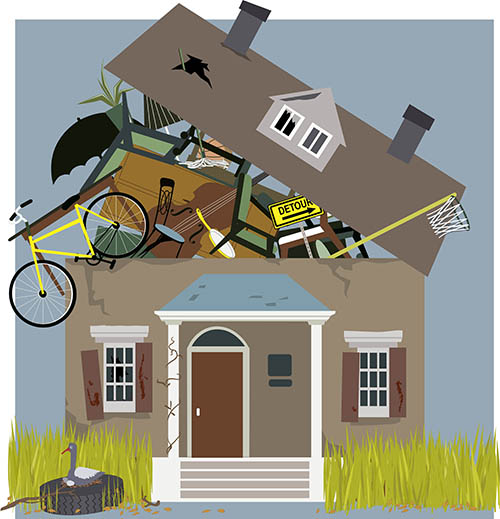
Hoarding
Hoarding Cleanup Service Mystic
Facing a hoarding situation can feel overwhelming, isolating, and emotionally exhausting. Whether you're dealing with a family member's cluttered home, managing a rental property, or handling an estate cleanup, you might be searching for guidance on how to approach this delicate task responsibly. A hoarding cleanup service in Mystic isn't just about removing items-it's about doing so safely, compassionately, and in compliance with health and safety regulations. This guide will walk you through the entire process, from initial assessment to final remediation, so you understand what professional help looks like and why it matters.
By following these steps, you'll learn how to approach hoarding cleanup systematically, understand when professional intervention is necessary, and gain clarity on what to expect when working with specialists. Econ Biohazard Services, serving Georgia statewide with particular emphasis on Macon and surrounding areas, brings decades of expertise to these sensitive situations. Let's break this down into manageable steps.
Step 1: Assess the Scope and Safety Hazards
Before you do anything else, you need to understand what you're working with. Take a walk through the space-if it's safe to do so-and note the general condition. Are there visible mold growths? Do you smell strong odors suggesting biohazard contamination? Are pathways blocked or is there visible pest activity? These observations tell you whether this is a straightforward decluttering project or whether you need professional remediation. The difference is critical because hoarding situations often involve health hazards that untrained individuals shouldn't handle alone.
Document what you see with photos if possible, but prioritize your own safety. If you feel uncomfortable entering the space, experience respiratory symptoms, or notice signs of severe contamination, stop immediately. This is your signal that a professional hoarding cleanup service in Mystic is the right choice. Companies like Econ Biohazard Services assess these hazards as part of their initial evaluation, using industrial hygiene protocols to identify risks that aren't always visible to the untrained eye.
Step 2: Understand the Legal and Medical Implications
Hoarding situations sometimes involve legal considerations you may not anticipate. If you're a property manager or landlord, local health departments may have issued notices or citations. If you're managing an estate, the executor has responsibility for the property's condition. If the person living in the hoarded space is still present, they have rights that must be respected. Understanding these dynamics prevents you from overstepping and creates a foundation for ethical, compliant cleanup.
Additionally, hoarded spaces frequently contain medical waste, sharps, expired medications, or other biohazards. A professional hoarding cleanup service in Mystic, Georgia knows how to identify and dispose of these materials according to EPA and OSHA standards. This expertise protects you, the property, and anyone who will use the space afterward. Before you begin, clarify who has legal authority to authorize the cleanup and ensure all necessary consents are documented.
Step 3: Create a Detailed Cleanup Plan and Timeline
Successful hoarding cleanup requires a structured plan. Work backwards from your target completion date and break the project into phases. A typical plan might look like this:
- Phase 1: Remove bulk items and structural debris (7-10 days)
- Phase 2: Sort remaining items and dispose of hazardous materials (5-7 days)
- Phase 3: Deep clean, disinfect, and remediate (3-5 days)
- Phase 4: Final inspection and validation (1 day)
Your timeline depends on the space's size, contamination level, and complexity. A hoarding cleanup service in Mystic will provide a detailed estimate and schedule before work begins. This transparency helps you plan for logistics, arrange temporary living situations if needed, and manage costs. Professional teams often work faster than expected because they have equipment, trained personnel, and systems you don't-many jobs that seem weeks-long can be completed in days with proper resources.
Step 4: Select a Qualified Professional and Manage the Project
This is where expertise becomes non-negotiable. Choose a cleanup company that holds proper licensing, carries comprehensive insurance, and can demonstrate OSHA and EPA compliance. When you contact Econ Biohazard Services or similar professionals in Georgia, ask about their credentials, their approach to sensitive situations, and their response time. Many people underestimate how important compassion is during this process-the right team treats the situation with respect and dignity, understanding that hoarding often stems from trauma, loss, or mental health challenges.
Once you've selected your team, establish clear communication channels. Confirm the scope of work, discuss any items you want to preserve, and ask how they'll handle unexpected discoveries. Professional teams document their work, provide before-and-after photos, and can assist with insurance billing if applicable. During the cleanup, stay accessible for decisions but trust the professionals to do what they do best. Your role shifts from management to oversight and support.
Step 5: Plan for Post-Cleanup Maintenance and Prevention
The cleanup itself is the intensive phase, but preventing future hoarding requires ongoing attention. If you're helping a family member or managing a property, discuss or implement systems that maintain the cleaned space. This might include regular inspection schedules, professional organizing assistance, mental health support resources, or property management protocols.
For property managers, document the cleaned condition thoroughly and establish lease terms that prevent future violations. For family situations, connecting the person with counseling or social services may address root causes. The goal isn't just to clean-it's to create lasting change. This is why companies like Econ Biohazard Services, which serve Macon and surrounding Georgia areas, often provide guidance beyond cleanup itself, understanding that sustainable recovery requires a comprehensive approach.
What You'll Achieve
By following these steps, you'll move from confusion and overwhelm to a concrete action plan. You'll understand the difference between standard cleanup and professional biohazard remediation, recognize when to call in specialists, and know what to expect when working with a qualified hoarding cleanup service in Mystic. Most importantly, you'll restore the space to a safe, functional condition while treating the situation with the compassion and expertise it deserves. Whether you're handling this alone or partnering with professionals, you now have a roadmap forward.
Frequently Asked Questions
How do I know if I need a professional hoarding cleanup service in Mystic?
You need professional help if you observe visible mold, strong chemical or biological odors, pest infestations, biohazard materials like sharps or medical waste, structural damage, or if the volume of items makes safe removal impossible without specialized equipment. Additionally, if you experience any respiratory discomfort while assessing the space, professional intervention is warranted. Professional teams have the training, equipment, and compliance knowledge to handle these situations safely.
How long does a typical hoarding cleanup take?
The timeline depends on the space's size, contamination level, and complexity, but most hoarding cleanups range from 5 to 21 days. Small apartments might be completed in a week, while larger homes or severely contaminated spaces may require 2-3 weeks. Professional teams often work faster than expected because they have multiple personnel and specialized equipment, so projects that seem months-long can often be completed in days with proper resources.
Will my insurance cover hoarding cleanup costs?
Insurance coverage depends on your specific policy and the reason for cleanup. Hoarding cleanups resulting from damage (fire, flood) may be partially covered, while general hoarding remediation is often not. However, many professional cleanup companies, including those serving Georgia, can assist with insurance billing and documentation to maximize what your policy covers. Contact your insurance provider and your cleanup service to explore available options.
What happens to items during the cleanup-can I save anything?
Professional cleanup teams sort items based on your preferences and local regulations. Salvageable items in good condition may be donated, sold, or stored if you wish to keep them. Hazardous materials, contaminated items, and anything posing health risks are properly disposed of according to EPA and OSHA standards. Before cleanup begins, discuss with your service provider which items you want to preserve so they can prioritize those accordingly.
How much does a hoarding cleanup service in Mystic cost?
Pricing varies widely based on the space's size, contamination severity, accessibility, and regional labor costs. Small residential cleanups might range from several hundred to a few thousand dollars, while larger or severely contaminated properties can cost significantly more. Professional companies provide detailed estimates after assessing the situation, and many offer payment plans or can help navigate insurance options to make costs manageable.
Is a hoarding cleanup service in Mystic the same as regular junk removal?
No-hoarding cleanup is specialized work that goes far beyond junk removal. Professional hoarding services address biohazard remediation, decontamination, proper disposal of regulated waste, mold treatment, pest control coordination, and compliance with health and safety regulations. Regular junk removal companies don't have this expertise or equipment, making professional biohazard cleanup companies like those serving Georgia the appropriate choice for contaminated hoarding situations.
Do I need to be present during the hoarding cleanup?
You don't need to be present throughout, but it's helpful to be available for key decisions, such as identifying items to preserve or addressing unexpected discoveries. Many people prefer to stay away during the intensive cleaning phases to reduce emotional stress. Establish clear communication with your cleanup team about how they'll reach you if decisions arise, and schedule a final walkthrough to confirm the work meets your expectations.