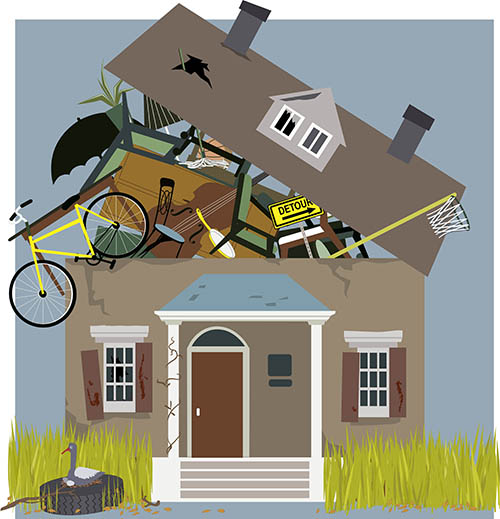
Hoarding
Hoarding Cleanup Service Palmetto
When a hoarding situation develops, the scale of contamination, safety hazards, and emotional complexity often overwhelm families and property owners. A hoarding cleanup service in Palmetto requires more than general janitorial work-it demands specialized training in biohazard remediation, understanding of local Georgia regulations, and genuine compassion for people in crisis. Econ Biohazard Services provides 24/7 emergency response across Georgia, with particular expertise serving the Macon area and surrounding communities, including Palmetto. Our team handles hoarding cleanup with industrial hygiene protocols that prioritize both safety and dignity.
What Makes Hoarding Cleanup Different From Standard Janitorial Services?
Hoarding situations involve multiple layers of complexity that distinguish them fundamentally from routine cleaning. When comparing hoarding cleanup to standard commercial or residential cleaning, the key differences emerge in scope, contamination types, and regulatory requirements.
Accumulated materials in hoarding environments frequently harbor:
- Mold and fungal growth from moisture accumulation
- Pest infestations and biohazardous animal waste
- Bacterial and viral contamination from unsanitary conditions
- Structural damage requiring assessment before remediation
- Hazardous materials that demand specialized disposal protocols
Standard janitorial crews lack training in bloodborne pathogen protocols, OSHA compliance, or proper containment procedures. A professional hoarding cleanup service in Palmetto operates under EPA and OSHA guidelines, uses personal protective equipment (PPE) rated for biohazard exposure, and applies industrial-grade disinfection that eliminates pathogens rather than masking odors. The data suggests that improper cleanup attempts in hoarding situations can actually spread contamination and create additional health risks, making professional intervention not merely convenient but medically necessary.
How Does the Cleanup Process Work From Start to Finish?
Understanding the systematic approach helps families recognize why professional biohazard cleanup takes time and expertise. When Econ Biohazard Services responds to a hoarding cleanup request in Palmetto or across Georgia, the process follows a structured methodology designed to ensure safety, regulatory compliance, and thorough remediation.
The typical workflow includes:
- Initial Assessment: Our team evaluates the scope, identifies hazardous materials, documents conditions, and determines equipment and staffing needs. This phase informs timeline estimates and cost projections.
- Containment and Preparation: Negative pressure systems, air scrubbers, and plastic barriers create isolated work zones, preventing cross-contamination and protecting neighboring properties.
- Removal and Sorting: Items are systematically removed, with careful categorization of materials requiring specialized disposal versus those that can be salvaged or donated.
- Deep Decontamination: All surfaces undergo industrial-grade disinfection using EPA-approved antimicrobials, with special attention to hidden areas where biological contamination concentrates.
- Final Inspection and Documentation: Post-remediation verification confirms that conditions meet health and safety standards. Documentation supports insurance claims and provides verification of proper biohazard cleanup.
Each step demands trained technicians familiar with hazard identification and decontamination science. Because contamination often extends beyond visible areas-into walls, flooring substrates, and HVAC systems-thorough cleanup requires equipment and expertise that residential cleaning services simply do not possess.
Why Does Response Time Matter in Hoarding Situations?
Delayed response in hoarding cleanup scenarios creates cascading problems beyond the immediate contamination. When assessing urgency, several factors converge: continued health exposure for residents, potential spread of pest infestations, structural deterioration accelerating, and psychological barriers to initiating recovery.
Econ Biohazard Services maintains 24/7 availability with response times averaging 30 minutes to one hour across Georgia, including Palmetto and the Macon area. This rapid deployment matters because:
- Early intervention prevents secondary infestations from establishing and spreading
- Quick action reduces mold proliferation in contaminated environments
- Immediate professional response often motivates families to engage in recovery processes
- Faster remediation shortens the timeline to property usability and occupant return
- Swift completion reduces overall project costs by preventing compound damage
When families face hoarding cleanup, the emotional dimension intersects directly with logistical timing. Knowing that professional help can arrive within an hour-rather than waiting days or weeks-shifts the psychological calculus from "this is impossible" to "we can address this now."
How Do Insurance and Payment Work For Hoarding Cleanup Services?
Financial concerns frequently prevent families from pursuing necessary hoarding cleanup, yet many insurance policies and assistance programs provide coverage paths that residents do not recognize. When comparing payment options, understanding available resources becomes essential to accessing services.
Econ Biohazard Services provides insurance billing assistance, meaning our team navigates claim documentation and communication with insurers on behalf of clients. This support addresses a critical pain point: most families lack expertise in demonstrating that biohazard cleanup constitutes a covered claim rather than cosmetic property improvement.
Coverage pathways often include:
- Homeowner's or rental insurance policies (when contamination results from insurable events)
- Medical insurance or health plans (when cleanup relates to documented health conditions)
- Estate settlement funds (when hoarding cleanup is part of property management following death)
- Local or state assistance programs (for low-income families in health crisis situations)
- Direct payment with payment plan options for uninsured situations
Professional documentation from a licensed biohazard cleanup service strengthens insurance claims substantially. Because we maintain detailed records of contamination assessment, remediation protocols, and completion verification, our reports provide the evidence insurers require to approve claims. The practical outcome: many families discover that professional cleanup costs considerably less than anticipated after insurance coverage is applied.
What Happens After Cleanup Completes-Can the Property Be Safely Occupied Again?
The endpoint of hoarding cleanup raises legitimate questions about whether a property can truly return to safe habitation. When evaluating post-remediation conditions, analytical assessment requires distinguishing between surface cleanliness and genuine decontamination.
Professional biohazard remediation-as distinguished from surface cleaning-targets pathogens and contaminants at the microbial level using validated disinfection science. Once Econ Biohazard Services completes a hoarding cleanup in Palmetto or elsewhere across Georgia, the property undergoes post-remediation verification to confirm that conditions meet established health and safety benchmarks.
However, complete recovery sometimes requires additional steps beyond initial cleanup. Certain hoarding situations involve:
- Structural damage requiring contractor repairs
- HVAC system decontamination or replacement
- Flooring or subflooring replacement when contamination has penetrated
- Mental health or counseling support to prevent recurrence
- Ongoing case management or social services coordination
Our team can identify when specialized contractors or additional services become necessary and provide referrals to trusted partners. Because hoarding often reflects underlying mental health or medical conditions, sustainable recovery incorporates professional cleanup alongside therapeutic and support services. Safe occupancy depends not only on environmental decontamination but on addressing root causes preventing reaccumulation.
Frequently Asked Questions
How long does a typical hoarding cleanup in Palmetto take?
Timeline depends on property size and contamination severity, typically ranging from one to five days for complete remediation. Minor situations might conclude within 24 hours, while extensive hoarding affecting entire homes may require one to two weeks. Econ Biohazard Services provides detailed time estimates following the initial assessment.
Is hoarding cleanup covered by insurance in Georgia?
Coverage varies by policy and circumstances, but many homeowner's insurance policies provide partial or full coverage when hoarding results in documented biohazard contamination or health threats. Econ Biohazard Services assists with insurance documentation and claim navigation to maximize coverage eligibility for our Palmetto and Georgia clients.
What safety precautions protect workers during hoarding cleanup?
Professional hoarding cleanup requires OSHA-compliant personal protective equipment, negative pressure containment systems, air filtration, and bloodborne pathogen training. Econ Biohazard Services technicians use respiratory protection, full-body suits, and follow decontamination protocols that prevent exposure to mold, bacteria, viruses, and hazardous materials.
Can a hoarded property be fully restored to safe living conditions?
Yes, professional biohazard remediation can restore properties to safe occupancy when contamination is addressed through proper decontamination and disinfection. However, sustainable results require addressing underlying causes-such as mental health support-to prevent reaccumulation after cleanup completion.
Does Econ Biohazard Services offer emergency hoarding cleanup in Palmetto?
Yes, we provide 24/7 emergency response across Georgia with average response times of 30 minutes to one hour. Families in hoarding situations can contact us immediately for assessment and rapid remediation services in Palmetto and surrounding areas.