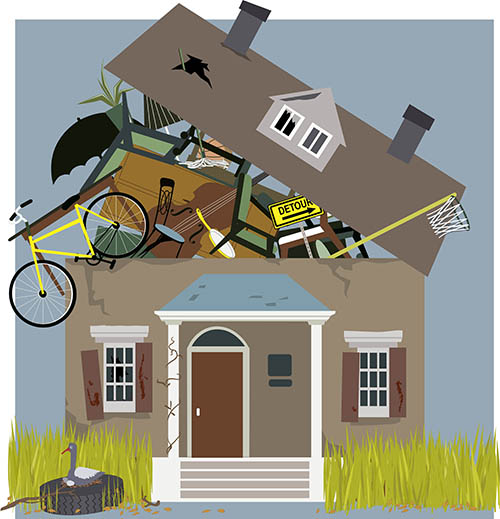
Hoarding
Hoarding Cleanup Service Pine Mountain Valley
When a family in Pine Mountain Valley contacted Econ Biohazard Services, they were facing one of the most difficult situations families confront: a relative's home filled with decades of accumulated items, biohazardous materials, and unknown health risks. The need for a professional hoarding cleanup service in Pine Mountain Valley wasn't just about removing items-it required clinical-grade assessment, regulatory compliance, and emotional intelligence. This case illustrates how specialized expertise, proper methodology, and Georgia-based rapid response can transform an overwhelming crisis into a managed, compliant remediation process.
The Problem: Complexity Beyond Clutter
The property presented multiple layers of complexity typical in hoarding situations but often underestimated by generalist cleanup contractors. The single-story residence contained approximately 40+ cubic yards of accumulated materials distributed across three bedrooms, two bathrooms, kitchen, and living areas. Visible pest infestation-including evidence of rodent nesting and insect colonies-was present throughout. The family noted foul odors, water damage from roof leaks that had created microbial growth on walls and subflooring, and unknown substances stored in containers throughout the home.
More critically, the homeowner had mobility limitations and documented hoarding disorder, meaning the situation had developed over several years without professional intervention. The family felt overwhelmed, embarrassed, and uncertain about where to begin. They were also concerned about liability, proper disposal of potentially hazardous materials, and whether standard trash removal services could adequately address health risks. A hoarding cleanup service in Pine Mountain Valley needed to be capable of handling not just the physical removal, but also the biological contamination and regulatory requirements that standard junk removal cannot address.
The Approach: Multi-Phase Remediation Protocol
Econ Biohazard's response began with a comprehensive site assessment conducted by trained industrial hygiene specialists. This assessment identified three distinct remediation phases: preliminary inspection and safety protocol establishment, biohazard-specific decontamination, and structural remediation with verification testing.
Phase One: Assessment and Planning
The team conducted a detailed walkthrough documenting conditions, potential biohazards, structural damage, and disposal requirements. Personal protective equipment (PPE) requirements were determined based on observed contaminants. The assessment identified rodent droppings-which can harbor hantavirus and other pathogens-requiring specialized handling under OSHA guidelines. Water-damaged materials showing mold colonization required containment protocols to prevent spore dispersal during removal. The team identified approximately 15 cubic yards of materials requiring regulated biomedical waste disposal versus standard demolition debris.
Phase Two: Containment and Removal
The crew established negative air pressure containment within affected rooms using industrial HEPA-filtration equipment. This prevents cross-contamination of unaffected areas and ensures airborne particles are captured and filtered. All personnel utilized proper PPE including respirators rated for mold and particulate exposure. Materials were segregated into categories: recyclable items (after decontamination), standard demolition waste, regulated biohazardous waste, and items designated for donation after proper treatment. The hoarding cleanup service in Pine Mountain Valley required coordination with specialized waste disposal vendors licensed for biomedical waste handling, including incineration protocols for contaminated materials.
Removed materials were placed in heavy-duty, sealed containers and transported by licensed vendors. The team documented chain of custody for all regulated waste, a requirement that protects both the property owner and remediation professionals.
Phase Three: Decontamination and Verification
Once materials were removed, surfaces underwent chemical decontamination using EPA-registered disinfectants appropriate for mold, bacterial, and viral pathogens. All structural components showing microbial colonization-including affected drywall sections and subflooring-were either treated with antifungal compounds or removed and replaced. HVAC systems were professionally cleaned and filter media replaced to eliminate spore reservoirs.
Post-remediation verification included air quality testing and surface sampling in previously contaminated areas. These tests confirm that microbial counts have returned to normal environmental baselines, providing documentation for insurance claims and peace of mind for the family.
Regulatory and Insurance Considerations
| Aspect | Standard Junk Removal | Professional Biohazard Remediation |
|---|---|---|
| OSHA Compliance | Not required | Required for bloodborne pathogen, mold, and rodent protocols |
| Waste Segregation | All items mixed | Medical waste separated and tracked |
| Air Quality Testing | None | Pre- and post-remediation verification |
| Insurance Documentation | Limited | Complete chain of custody and testing reports |
| Licensed Staff | Variable | Industrial hygiene certified personnel |
This case involved an active homeowner's insurance claim for water damage remediation. The hoarding cleanup service in Pine Mountain Valley required detailed documentation: assessment reports, photographic evidence, waste disposal receipts with tracking numbers, and post-remediation testing results. This comprehensive documentation enabled the insurance company to process the claim efficiently. Econ Biohazard's Georgia-statewide licensing and insurance billing assistance meant the family didn't need to navigate complex claim processes alone.
Results: Restored Safety and Compliance
The complete remediation required 12 working days across the three-phase protocol. The property was transformed from a biohazard environment to a clean, decontaminated space suitable for occupancy or sale. Microbial testing confirmed air quality returned to normal environmental baselines. All rodent harborage areas were eliminated, and structural integrity was verified by a licensed home inspector.
Beyond the physical results, the family experienced significant emotional relief. The transparent process-with regular updates and documentation-reduced anxiety about regulatory compliance and liability. Post-remediation, the homeowner was connected with mental health resources and hoarding disorder support services, addressing the underlying condition that contributed to the initial situation.
The hoarding cleanup service in Pine Mountain Valley demonstrated that professional remediation differs fundamentally from standard cleaning. The investment in proper methodology, regulated waste disposal, air quality verification, and licensed expertise prevented potential health risks, ensured insurance compliance, and provided the family with documentation protecting them from future liability claims.
Why Professional Response Matters
Hoarding situations involving biohazard components require more than determination and effort-they demand specialized knowledge of EPA and OSHA protocols, industrial hygiene principles, proper containment methodology, and waste classification standards. Attempting remediation without these capabilities can expose families to health risks, create regulatory violations, and complicate insurance claims.
Econ Biohazard Services operates statewide across Georgia with particular emphasis on Macon and surrounding areas, providing 24/7 emergency response because contamination crises don't follow business hours. The expertise developed through hundreds of specialized remediation projects-crime scenes, unattended deaths, biohazard decontamination, and hoarding situations-translates into protocols that protect both property and people. When you contact econbiohazard.com, you're accessing industrial-grade remediation capability staffed by professionals trained in the specific technical and emotional demands of these situations. Hoarding cleanup costs vary significantly based on the volume of accumulated materials, degree of biohazard contamination, structural damage, and extent of decontamination required. A professional assessment determines the exact scope, but budgets typically range from several thousand dollars for moderate situations to substantially more for complex cases involving microbial growth, rodent infestation, or water damage remediation. Insurance coverage depends on your specific policy and whether the hoarding situation is associated with a covered loss, such as water damage or fire. Econ Biohazard provides comprehensive documentation and insurance billing assistance to help maximize your claim recovery. Contact your insurance provider with detailed photos and assessment reports to determine coverage eligibility. Yes, professional biohazard and hoarding remediation in Georgia is subject to OSHA occupational health standards, EPA environmental regulations, and state waste disposal laws. Licensed remediation companies like Econ Biohazard maintain compliance with these regulations, including proper staff training, containment protocols, waste segregation, and post-remediation verification testing.Frequently Asked Questions
How much does a hoarding cleanup service in Pine Mountain Valley typically cost?
Will my insurance cover hoarding cleanup services in Pine Mountain Valley?
Is hoarding cleanup service in Pine Mountain Valley regulated by the state?