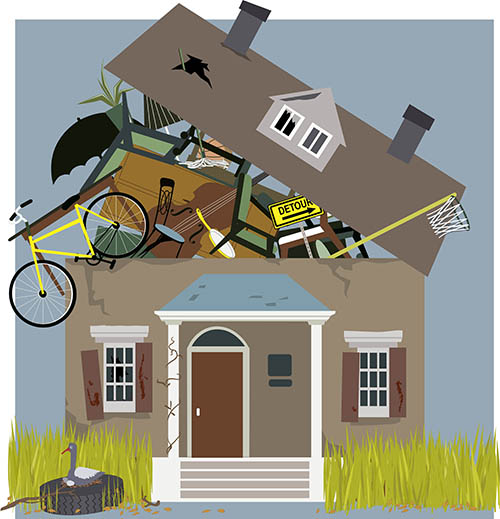
Hoarding
Hoarding Cleanup Service Stockbridge
With years of experience in specialized cleanup services across Georgia, the professionals at Econ Biohazard understand that hoarding situations require more than basic cleaning. A hoarding cleanup service Stockbridge residents can trust combines technical expertise, emotional intelligence, and adherence to strict health and safety protocols. When a property has accumulated to the point where it poses health risks, creates fire hazards, or violates code compliance, attempting DIY cleanup is not only ineffective but potentially dangerous. This guide addresses the most pressing questions families and property managers face when seeking professional help.
What Makes Professional Hoarding Cleanup Different from Regular Cleaning?
Hoarding situations involve biohazard exposure that standard cleaning services are not equipped to handle. The accumulation of years' worth of debris, biological matter, pest infestations, and structural damage creates an environment where mold, bacteria, rodent waste, and airborne pathogens pose serious health risks. Professional hoarding cleanup services use industrial-grade disinfection, proper containment protocols, and personal protective equipment designed to eliminate these hazards safely. The process involves assessment, categorization, removal, deep decontamination, and final restoration-each step following EPA and OSHA guidelines. At Econ Biohazard, our team in Stockbridge and surrounding areas approaches every hoarding cleanup project with the understanding that clients often face emotional challenges alongside the physical restoration.
How Does a Hoarding Cleanup Service Stockbridge Handle Contamination and Waste?
Contamination in hoarding environments can include fecal matter, urine, decomposed organic material, hazardous chemicals, and biological pathogens. Our team uses specialized equipment to identify contamination zones and removes affected materials according to biomedical waste disposal regulations. Items are sorted, segregated, and disposed of appropriately-some recycled, some disposed as hazardous waste, and some salvaged based on client priorities and condition. The contaminated materials are placed in clearly marked, sealed containers and transported by licensed waste handlers. Once materials are removed, the space undergoes deep cleaning with hospital-grade disinfectants, air purification, and odor remediation. This level of decontamination cannot be achieved with consumer-grade products or standard cleaning crews.
What Should You Expect During the Hoarding Cleanup Process?
A professional hoarding cleanup service in Stockbridge begins with a comprehensive assessment. Our team evaluates the scope of contamination, structural integrity of the property, utility systems, and any safety hazards like mold, pest infestation, or electrical damage. We work with families to identify items worth preserving and establish a timeline that allows time for emotional processing. The actual cleanup proceeds in phases: containment of the work area, systematic removal and sorting, isolation and removal of contaminated materials, structural cleaning of floors and surfaces, chemical disinfection, deodorization, and air quality restoration. Many families find that breaking this process into stages reduces the emotional overwhelm. Throughout the project, our team maintains clear communication, respects the client's dignity, and completes work with the compassion these situations demand. Response time in the Stockbridge and Macon areas averages 30 minutes to one hour once you contact us.
Why Choose Licensed and Insured Hoarding Cleanup Professionals?
When you hire a hoarding cleanup service Stockbridge that operates with proper licensing and insurance, you gain protection and accountability. Licensed professionals have training in bloodborne pathogen handling, hazardous material identification, and regulatory compliance. Insurance coverage protects your property and provides liability protection if injuries occur during cleanup. Additionally, our team helps navigate insurance claims-many homeowners' and property insurance policies cover biohazard remediation when properly documented. We provide detailed reports and photographic evidence for your insurance provider, which streamlines the claims process and often reduces out-of-pocket costs significantly. Unlicensed or uninsured cleanup crews put you at legal and financial risk, and their work often fails to meet health department or code compliance standards.
How Long Does Hoarding Cleanup Take?
The timeline for a hoarding cleanup service varies dramatically based on the size of the property, severity of contamination, and structural damage present. A single-room hoard might require several days, while a multi-room or multi-story property could take weeks. During the initial assessment, our team provides a realistic timeline and can often work in phases to accommodate schedules and budgets. Some clients prefer intensive work over a few days; others choose scheduled cleanups spread over time. The advantage of working with Econ Biohazard across Georgia is that we have the capacity and resources to scale our crew size to meet your timeline needs, whether you need rapid emergency response or managed, phased restoration.
Are There Health Risks to the Property Owner If Cleanup Is Delayed?
Yes. Prolonged hoarding situations create cumulative health risks including respiratory issues from mold and dust exposure, infections from contaminated surfaces, pest-borne illness, and structural damage that worsens over time. The longer materials remain accumulated, the more extensive the biological and chemical contamination becomes. Additionally, local health departments may issue citations or code violations if the property creates a public health hazard. Addressing hoarding cleanup promptly prevents escalating costs and protects the health of residents, neighbors, and anyone who must enter the property. If you are managing a property in Stockbridge or the surrounding Macon area that requires professional attention, contacting a licensed hoarding cleanup service early is the most cost-effective and health-conscious approach.
Can Insurance Help Cover Hoarding Cleanup Costs?
Coverage depends on your specific policy, but many homeowners' insurance policies include provisions for biohazard remediation, particularly if the hoarding situation resulted from a covered event like death, fire, or water damage. Some policies cover cleanup as part of property restoration. The key is detailed documentation-our team photographs the property condition, catalogs contamination types, and provides professional assessment reports that substantiate claims. Property managers and landlords should consult their commercial property policies, as coverage options may differ. Our team provides the documentation insurance companies require and can answer questions about what coverage typically applies. This assistance often makes the financial burden of professional cleanup far more manageable than property owners anticipate.
What Happens After the Hoarding Cleanup Is Complete?
After physical cleanup and decontamination, the property enters restoration phase. This may include repairs to damaged flooring, walls, or utilities; painting; replacement of damaged fixtures; and addressing any structural issues discovered during cleanup. Our team helps coordinate these restoration services and ensures the property meets health and safety codes. For families, post-cleanup support often includes resources for ongoing mental health services, support groups, and preventative strategies to reduce future accumulation risk. Properties are then ready for occupancy, sale, or return to normal use. The goal is not just removal of hazardous materials but genuine restoration of a safe, healthy living environment.
Frequently Asked Questions
How quickly can a hoarding cleanup service respond in Stockbridge?
Econ Biohazard maintains 24/7 emergency response capabilities with typical arrival time of 30 minutes to one hour in the Stockbridge and surrounding Macon areas. We understand these situations require urgent attention and prioritize rapid response while ensuring thorough, safe cleanup.
What makes hoarding cleanup different from regular junk removal?
Hoarding cleanup involves biohazard decontamination, pest remediation, mold remediation, and disposal of hazardous materials-all requiring EPA and OSHA compliance. Regular junk removal services lack the training, equipment, and licensing to safely handle contaminated environments and biological hazards.
Will my insurance cover hoarding cleanup costs?
Many homeowners' and commercial property insurance policies include coverage for biohazard remediation and property restoration. Econ Biohazard provides detailed documentation and photographic evidence to support insurance claims, and our team can help you navigate the claims process.
Is hoarding cleanup emotionally traumatic for families?
Yes, which is why our team approaches every project with compassion and sensitivity. We work at a pace that allows family members time to process, help identify salvageable items, and maintain dignity throughout the process. We also provide resources for ongoing support.
What certifications or licenses should a hoarding cleanup service have?
Professional hoarding cleanup services should be licensed in biohazard remediation, have bloodborne pathogen training, maintain liability insurance, and follow EPA and OSHA protocols. Verify credentials before hiring to ensure compliance with health and safety regulations.
Can hoarding situations create legal problems for property owners?
Yes, hoarding that violates local health codes or creates fire hazards can result in citations, fines, or code enforcement action from local authorities. Addressing the situation promptly with professional cleanup helps avoid escalating legal and financial consequences.
How does Econ Biohazard handle contaminated materials during cleanup?
Contaminated materials are isolated, sealed in marked containers, and transported by licensed waste handlers for appropriate disposal according to biomedical waste regulations. Non-contaminated items are sorted for recycling, donation, or disposal based on condition and client preferences.