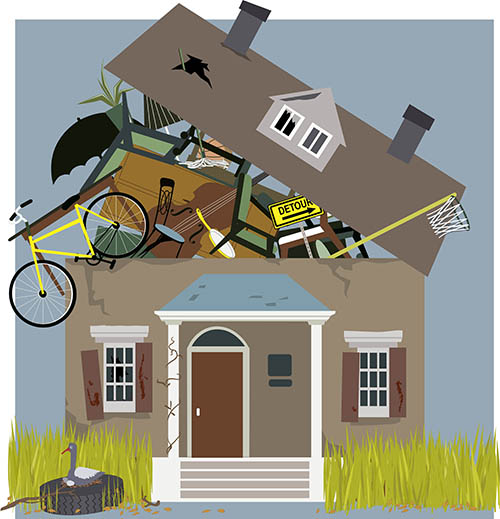
Hoarding
Hoarding Cleanup Service Upatoi
Understanding hoarding cleanup starts with recognizing that hoarding disorder is a complex psychological condition affecting thousands of families across Georgia and nationwide. When a loved one or property becomes overwhelmed by accumulated items, the cleanup process requires far more than standard janitorial services. A hoarding cleanup service Upatoi specializes in safely, respectfully, and thoroughly addressing these challenging situations while adhering to health and safety regulations. This guide explains what hoarding cleanup entails, why professional intervention matters, and how to navigate this sensitive process with compassion and expertise.
What Is Hoarding Cleanup and Why It Requires Professional Service
Hoarding cleanup differs fundamentally from typical cleaning or junk removal. When someone struggles with hoarding disorder, their living space accumulates items-sometimes thousands-creating unsanitary, unsafe conditions. The property may contain biohazardous materials, pest infestations, mold, structural damage, and fire code violations. A hoarding cleanup service Upatoi addresses all these layers simultaneously.
The professional approach combines several critical elements. First, teams assess the entire property to identify hazards-including sharps, bodily fluids, animal waste, expired medications, or structural concerns. Second, they remove items systematically while documenting what's being cleared. Third, they deep-clean, disinfect, and decontaminate every surface using industrial-grade equipment and EPA-compliant protocols. Finally, they dispose of biohazardous waste through proper biomedical waste disposal channels, ensuring environmental and public health protection.
Why can't families or standard cleaning companies handle this alone? Because hoarding situations frequently contain bloodborne pathogens, bacterial colonies, mold spores, and other biohazards that pose serious health risks if disturbed improperly. Workers need specialized training in biohazard remediation, OSHA compliance, and personal protective equipment protocols. Insurance liability and legal considerations also require licensed professionals. Econ Biohazard Services, serving Georgia statewide with specialized focus on Macon and surrounding areas including Upatoi, maintains the expertise and certifications necessary for safe, compliant remediation.
Beyond the technical aspects, professional hoarding cleanup service Upatoi providers understand the emotional weight these situations carry. Families often feel shame, guilt, or overwhelm when confronting a hoarded property. Compassionate professionals separate judgment from service, treating clients and their loved ones with dignity while managing the complex cleanup process so families can focus on healing and recovery.
The Biohazard Remediation Process in Hoarding Situations
Hoarding properties frequently contain biohazards requiring specialized remediation beyond standard cleaning. These hazards emerge because accumulated items create conditions where bacteria, viruses, mold, and pests thrive. Moisture trapped under layers of belongings, poor ventilation, and lack of regular sanitation create perfect environments for pathogenic growth.
Professional hoarding cleanup service Upatoi teams follow a structured remediation process. Initial assessment involves documenting hazard types, contamination levels, and property conditions. Teams wear appropriate personal protective equipment-including respirators, protective suits, gloves, and eye protection-throughout the process. They systematically remove items, segregating biohazardous waste for proper disposal. As contaminated materials are removed, surfaces beneath are exposed and carefully treated with hospital-grade disinfectants and decontamination protocols.
Mold represents a particularly common concern in hoarded properties. Because items are stacked densely and air cannot circulate, moisture accumulates and mold colonies develop-sometimes visible as black or green growth, sometimes hidden within layers. These spores pose respiratory risks if released into the air. Professional remediation includes identifying mold sources, removing contaminated materials, treating affected surfaces, and addressing underlying moisture problems to prevent recurrence.
Animal waste contamination presents another frequent challenge. When hoarding involves animals or pest infestations, feces and urine soak into flooring, subflooring, drywall, and insulation. Standard cleaning cannot address this level of contamination. Professional teams identify affected areas using specialized detection methods, remove contaminated materials, treat substructures, and apply enzymatic treatments to eliminate odors and pathogens at the molecular level. This thorough approach prevents disease transmission and ensures the property becomes genuinely safe rather than simply appearing clean.
Georgia state regulations and EPA guidelines govern how biohazardous waste must be handled and disposed. Econ Biohazard Services maintains compliance with these standards, meaning biological waste is segregated, contained, and delivered to licensed disposal facilities rather than entering normal trash streams. This protects sanitation workers, the environment, and public health.
Navigating Insurance Claims and Cost Considerations
Many families worry about affording hoarding cleanup when confronting significant property damage and contamination. Understanding insurance coverage options provides important relief. Some homeowners' or renters' insurance policies cover hoarding cleanup if the situation resulted from a specific event-like a death, medical emergency, or documented mental health crisis. Additionally, some cases qualify for Medicaid or other assistance programs when the individual is receiving treatment for hoarding disorder.
Professional hoarding cleanup service Upatoi providers often assist with insurance billing, helping families navigate claims processes. This support means families don't face the additional burden of complex paperwork during an already stressful time. Insurance companies recognize that professional biohazard remediation is necessary and appropriate in these situations, though coverage specifics vary by policy and circumstance.
The actual cost of hoarding cleanup depends on property size, contamination severity, hazard types present, and structural issues requiring remediation. A small apartment with moderate accumulation costs considerably less than a multi-bedroom home with severe biohazard contamination. Many professional services provide detailed estimates after initial assessment, allowing families to understand costs before work begins. Some may offer payment plans or financing options to make necessary cleanup accessible.
Practical Steps for Families and Property Managers
If you're facing a hoarding situation, taking structured steps protects both health and relationships. Begin by acknowledging the situation without shame-hoarding disorder is a legitimate medical and psychological condition, not a character flaw. Involve the affected person in planning when possible and ethical to do so, as forcing cleanup without consent can damage trust and trigger psychological distress.
Consult with professionals early. A hoarding cleanup service Upatoi provider can assess the property, identify biohazards, and explain what remediation requires. This expertise informs decisions about whether family members should be involved, whether the property needs to be vacated during cleanup, and what timeline is realistic. Professional assessment also clarifies whether additional services are needed-such as pest control, mold remediation, or structural repairs-that may be outside cleanup scope.
Document the property condition with photographs before cleanup begins. This documentation supports insurance claims, provides baseline data for assessment, and creates a record of conditions before professional intervention. It also protects service providers by establishing baseline property conditions.
Plan for post-cleanup support. Simply removing accumulated items doesn't address underlying hoarding behaviors or psychological factors. Successful outcomes combine professional cleanup with mental health treatment, support groups, case management, or ongoing therapy. This comprehensive approach prevents reaccumulation and supports lasting recovery. Many communities across Georgia, including Macon and surrounding areas, offer mental health resources specifically for hoarding disorder.
Finally, recognize that hoarding cleanup is a 24/7 emergency response capability when needed. Situations sometimes become urgent-due to health crises, evictions, or property emergencies. Professional services like Econ Biohazard maintain rapid response times, typically reaching properties within 30 minutes to one hour of contact, ensuring that critical cleanups don't experience dangerous delays.
Frequently Asked Questions
How is hoarding cleanup different from regular junk removal?
Hoarding cleanup involves identifying and safely handling biohazards, including bloodborne pathogens, mold, pest waste, and contaminated materials. Professional teams use OSHA-compliant protocols, industrial disinfection, and proper biomedical waste disposal-services that standard junk removal companies are not equipped to provide. Regular junk removal ignores health risks that require specialized biohazard remediation expertise.
Will hoarding cleanup service Upatoi work with someone who doesn't want cleanup?
Ethical hoarding cleanup providers balance compassion with professional responsibility. While forcing cleanup on unwilling individuals can worsen psychological trauma, professionals can assess situations and discuss options respectfully. In cases involving imminent health dangers, legal interventions (like conservatorships or court orders) may be necessary. Professional services work with families and medical providers to determine appropriate approaches that respect individual rights while protecting health and safety.
How long does professional hoarding cleanup typically take?
Timeline depends on property size, contamination severity, and structural complexity. A small apartment with moderate accumulation might require one to three days, while a multi-bedroom home with severe biohazard contamination could take one to two weeks or longer. Professional assessment provides accurate estimates. The hoarding cleanup service Upatoi provider will explain timeline expectations before beginning work, allowing families to plan accordingly.
What happens to items removed during hoarding cleanup?
Professional teams segregate items systematically-salvaging valuables or family items when appropriate, donating usable goods, recycling materials, and disposing of biohazardous waste through licensed facilities. Some items may hold emotional significance and families request preservation. Documentation helps track what's been cleared. Biohazardous materials are never placed in regular trash but handled through proper biomedical waste disposal channels.
Does insurance cover hoarding cleanup costs?
Some homeowners' and renters' insurance policies cover hoarding cleanup if the situation resulted from a specific qualifying event like death, medical emergency, or documented mental health treatment. Coverage varies significantly by policy. Professional hoarding cleanup service Upatoi providers often assist with insurance claims and billing, helping families navigate documentation and maximizing available coverage. Consult your specific policy and speak with service providers about insurance assistance options.
Are hoarding cleanup services available 24/7 in Georgia?
Professional biohazard and hoarding cleanup services across Georgia, including in and around Macon, typically maintain 24/7 emergency response capabilities for urgent situations. This ensures that critical cleanups don't experience delays when health crises or time-sensitive circumstances arise. Contact a local provider immediately if you're facing an emergency situation requiring rapid professional response.
What qualifications should hoarding cleanup professionals have?
Licensed professionals should hold certifications in biohazard remediation, maintain OSHA and EPA compliance training, and carry appropriate insurance. Trustworthy providers like Econ Biohazard Services demonstrate expertise through licensing, documented protocols, and references. Ask about team certifications, safety standards, insurance coverage, and whether they assist with regulatory compliance. Professional qualifications directly impact cleanup safety and effectiveness.