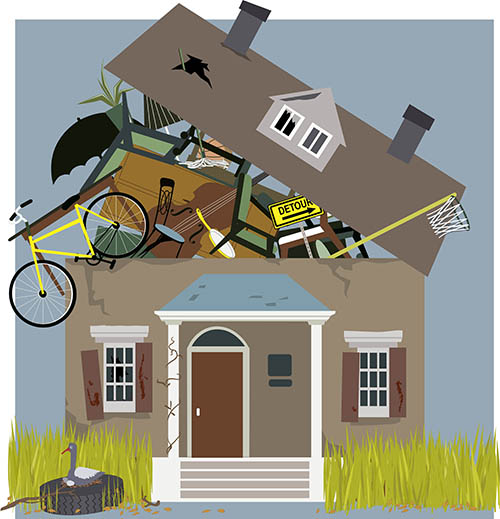
Hoarding
Biohazard Cleanup Service Lagrange
When a biohazard situation emerges-whether from a crime scene, unattended death, infectious disease outbreak, or hoarding condition-the need for professional intervention becomes both urgent and complex. A biohazard cleanup service Lagrange provides specialized remediation that goes far beyond standard janitorial work. This guide walks you through the process of identifying when professional help is necessary, understanding what to expect during remediation, and accessing services that comply with OSHA and EPA standards. By following these steps, you'll be able to navigate a difficult situation with clarity, ensuring your property is restored safely while you focus on recovery.
Step 1: Assess the Situation and Determine Service Needs
The first analytical step is objectively evaluating what you're facing. Biohazard situations fall into distinct categories, each requiring different expertise levels. Crime scenes, unattended deaths, and infectious disease contamination demand immediate professional intervention-these involve bloodborne pathogens, bodily fluids, and microbial growth that pose genuine health risks. Hoarding cleanup may seem less urgent but often involves biohazard elements like mold, pest infestation, and decomposing materials that require specialized handling. Ask yourself: Is there visible biological material present? Are there odors suggesting decomposition or microbial growth? Has there been exposure to bodily fluids or infectious agents? If you answer yes to any question, a biohazard cleanup service Lagrange becomes essential rather than optional.
Document the scope mentally or in writing-this information helps service providers understand urgency and deploy appropriate resources. The data suggests that rapid assessment and quick professional response prevent secondary contamination and cross-contamination to unaffected areas of your property. When comparing DIY cleanup attempts to professional remediation, the difference in safety outcomes is significant; improper handling can expose you and family members to pathogens and create liability issues.
Step 2: Contact a Licensed Biohazard Remediation Provider
Once you've determined that professional intervention is necessary, the next step is contacting a licensed biohazard cleanup company. Econ Biohazard Services operates statewide across Georgia, including Lagrange and surrounding areas, with 24/7 emergency response capabilities. When you call, have key information ready: the nature of the biohazard situation, the approximate square footage affected, whether law enforcement is involved, and any urgent timeline considerations. Licensed providers like those serving Lagrange areas typically respond within 30 minutes to one hour, which is critical because biological material degrades and spreads quickly, increasing contamination risk.
Professional biohazard remediation isn't about speed alone-it's about deploying EPA and OSHA-compliant protocols that eliminate health risks while preserving property value and dignity during crisis situations.
Ask the provider about their credentials during initial contact. Legitimate biohazard cleanup service Lagrange operators maintain proper licensing, carry appropriate insurance, and can explain their decontamination methodology. They should ask you clarifying questions about the situation rather than making assumptions. This back-and-forth dialogue indicates professionalism and helps them prepare the correct equipment and personnel for your specific scenario.
Step 3: Prepare Access and Coordinate with Other Parties
Before the remediation team arrives, prepare your property for their work. This means securing pets in a separate area, removing family members from the contaminated space, and ensuring the team has clear access to the affected area. If law enforcement is involved in a crime scene situation, coordinate timing with them-cleanup cannot begin until the scene is officially released. If insurance will cover the remediation costs, notify your insurance company before the team arrives; providers familiar with insurance billing assistance can help document the work for claim purposes, which streamlines reimbursement.
When comparing situations where property owners coordinate in advance versus those without preparation, response efficiency improves dramatically. Clear access means the team can deploy specialized equipment-HEPA filtration systems, hospital-grade disinfectants, and decontamination chambers-without delay. The biohazard cleanup service Lagrange provider will explain what to expect during the process: how long remediation typically takes, what containment measures they'll use, and what your role is during their work. Most professionals recommend remaining off-site during the actual cleanup process, both for safety and to allow the team to work without interruption.
Step 4: Monitor Remediation and Verify Compliance
As the remediation unfolds, maintain communication with the service provider. Licensed professionals document their work photographically and provide detailed reports showing what was addressed, which disinfectants were used, and which surfaces received treatment. Ask to see their remediation documentation before they leave; this creates a record for insurance purposes and provides assurance that work meets regulatory standards. A thorough biohazard cleanup service Lagrange operation will include not just visible contamination removal but also disinfection of surfaces that may have been exposed to aerosol contamination.
After the team completes work, perform a walkthrough if the provider recommends it. You're evaluating whether odors have been eliminated, whether the space feels restored, and whether you have confidence in the remediation. Analytical assessment here is important-if you notice remaining odors or visible contamination, communicate this immediately. Legitimate providers stand behind their work and will conduct additional remediation if standards weren't met on the first attempt. Request copies of all documentation for your records; this becomes valuable if you're filing insurance claims or if questions arise about remediation quality later.
Step 5: Address Follow-Up Needs and Property Restoration
Professional biohazard remediation removes contamination and restores sanitation, but your property may require additional restoration. This could include carpet replacement, drywall repair, odor elimination beyond what standard disinfection achieves, or structural assessment if biohazard exposure was extensive. Many properties benefit from follow-up ventilation and air filtration work to ensure no residual pathogens remain airborne. Providers serving Georgia, including those in Lagrange areas, often can coordinate or recommend restoration specialists who understand the unique needs of post-remediation properties.
The analytical framework here involves understanding that remediation and restoration are sequential but distinct processes. Remediation eliminates biohazard material and contamination; restoration addresses the property damage that resulted from the incident. By coordinating these services through a trusted provider like Econ Biohazard Services, you simplify communication and ensure that all work meets consistent quality standards. Document everything-photographs, receipts, service reports-for insurance purposes and as evidence that the property has been properly restored to safe, habitable condition.
FAQ
- What makes biohazard cleanup different from regular cleaning? Biohazard cleanup involves removal and disinfection of potentially infectious materials, including bloodborne pathogens and microbial contamination that standard cleaners cannot safely handle. Professional teams use HEPA filtration, hospital-grade disinfectants, and containment protocols designed to eliminate health risks, whereas regular cleaning addresses only surface dirt and visible debris.
- How quickly can a biohazard cleanup service Lagrange respond? Licensed providers typically respond within 30 minutes to one hour of contact, since biological contamination spreads and degrades rapidly. This rapid response prevents secondary contamination, reduces health exposure risk, and helps preserve property value by addressing the situation before degradation becomes extensive.
- Will insurance cover biohazard cleanup service Lagrange costs? Many insurance policies cover biohazard remediation when it results from covered events like crime scenes or unattended deaths; however, coverage varies by policy and insurer. Professional cleanup providers can assist with insurance documentation and billing, helping you understand your coverage and navigate the claims process effectively.
- What types of biohazard situations require professional remediation? Crime scenes, suicides, homicides, unattended deaths, hoarding situations, infectious disease contamination, and severe mold or pest infestations all require professional biohazard cleanup. Any situation involving exposure to bodily fluids, decomposition, or microbial growth that poses health risks demands licensed professional intervention rather than standard cleaning approaches.
- Is biohazard cleanup service Lagrange available 24/7? Yes, professional biohazard remediation companies operate 24/7 emergency response services because biohazard situations don't follow business hours. This ensures that whether an incident occurs during daytime, evening, or weekend hours, qualified teams are available to respond immediately and begin containment and remediation work.
- What happens after biohazard cleanup is completed? After remediation, you receive detailed documentation of all work performed, including disinfectants used and areas treated. You may then pursue property restoration work like carpet replacement or structural repair, and you'll have records for insurance claims. Professional providers ensure the space is safe and sanitary before they leave the property.