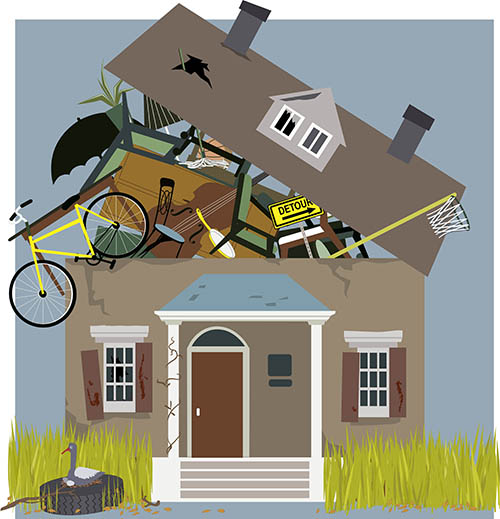
Hoarding
Biohazard Cleanup Service Rupert
When a biohazard cleanup situation arises in Rupert or the surrounding Macon area of Georgia, property owners and families face not only the immediate emotional trauma but also a complex technical challenge: safely removing and decontaminating hazardous biological materials while meeting strict regulatory requirements. This case study examines how professional biohazard cleanup service expertise transformed a challenging residential remediation in Rupert into a complete, compliant restoration.
The Problem: Regulatory Complexity Meets Emotional Crisis
A property manager in Rupert contacted Econ Biohazard Services following an unattended death discovery in a residential unit. The situation presented multiple layers of difficulty. First, the property had been occupied for an extended period before discovery, creating environmental contamination across multiple surfaces, flooring, and building materials. Second, the property manager had no prior experience with biohazard remediation protocols and was uncertain about regulatory compliance requirements under OSHA and EPA guidelines. Third, insurance documentation requirements demanded professional certification and detailed reporting to validate the claim.
The property manager's initial instinct was to contact standard janitorial services, but those providers explicitly lack training and legal authority to handle biohazard situations. A biohazard cleanup service in Rupert requires specialized knowledge because biological contamination includes blood, bodily fluids, and airborne pathogens that pose genuine health risks to untrained personnel. Standard cleaning products cannot adequately disinfect these materials. Additionally, improper disposal violates medical waste regulations and can result in significant fines.
Beyond regulatory concerns, the property manager faced timeline pressure. The residential unit needed to return to marketable condition quickly to minimize financial losses. Delays would extend vacancy periods and affect revenue projections. Yet rushing the process would mean cutting corners on safety or documentation-a path that could create future liability.
The Approach: Technical Assessment and Systematic Remediation
The Econ Biohazard Services team arrived on-site within 45 minutes of the call-well within the typical 30-minute to one-hour response window standard for 24/7 emergency operations across Georgia. The first step involved a comprehensive site assessment conducted by licensed industrial hygiene professionals trained in biohazard evaluation.
During the assessment phase, the team identified contamination zones classified as follows: primary impact areas showing visible biological material, secondary contact surfaces where cross-contamination had occurred through air currents or contact, and tertiary zones requiring baseline disinfection as a precautionary measure. This classification system, grounded in OSHA bloodborne pathogen standards, determined which decontamination protocols would apply to each zone.
The technical remediation process followed a defined protocol. First, personal protective equipment (PPE) standards exceeded minimum requirements-the team utilized Class III biological safety protocols with HEPA filtration, full-body protection, and respiratory equipment rated for airborne biological hazards. This exceeded standard OSHA requirements because the contamination severity and environmental conditions warranted enhanced precautions.
Second, the team employed enzymatic disinfection agents specifically formulated to break down proteinaceous biological material. Standard bleach or quaternary ammonium disinfectants prove insufficient for extensive biohazard contamination because they do not penetrate dried material or penetrate porous surfaces adequately. The enzymatic approach works at the molecular level, neutralizing pathogens within and beneath surface layers. Dwell times were documented-typically 10 to 15 minutes contact time depending on material type and contamination depth.
Third, affected structural materials underwent evaluation for remediation versus replacement. Porous materials like drywall, carpet padding, and insulation that had absorbed biological material required removal and proper medical waste disposal. Non-porous hard surfaces underwent multiple-pass decontamination cycles with validation testing between passes.
The disposal process invoked medical waste protocols. All contaminated materials were double-bagged in red biohazard-designated containers and transported to licensed medical waste disposal facilities. Documentation included chain-of-custody records, material descriptions, weights, and disposal facility certifications-details required for insurance claim substantiation and regulatory compliance verification.
Throughout the process, the team maintained detailed photographic documentation showing contamination scope, treatment areas, material removal, and final validation conditions. This documentation proved critical for both insurance claims processing and demonstrating regulatory compliance to authorities if questioned.
The Result: Compliant Restoration and Claim Resolution
The remediation was completed within two business days. The property underwent final validation testing using ATP bioluminescence technology-a quantitative measure of residual organic material that confirms effectiveness of disinfection protocols. Results showed contamination levels within acceptable post-remediation standards for unrestricted reoccupancy.
The insurance claim process proceeded smoothly. Because the work was performed by certified professionals with documented OSHA compliance and EPA-compliant disposal protocols, the insurance carrier processed the claim without requests for additional information or verification. The complete chain of documentation eliminated delays that might have occurred with amateur remediation efforts.
The property manager reported that having professional expertise reduced personal liability exposure significantly. By engaging licensed specialists rather than attempting in-house cleanup, the property management company demonstrated due diligence in handling biohazard situations-a position that protects against future legal exposure or regulatory scrutiny.
For the family members involved, the professional approach meant they could focus entirely on grief and recovery rather than managing technical details or regulatory compliance. The biohazard cleanup service in Rupert handled the complex, emotionally difficult work while maintaining the dignity and respect appropriate to the situation.
This case demonstrates why professional biohazard cleanup services across Georgia, particularly in Macon and surrounding areas like Rupert, matter fundamentally. The technical expertise, regulatory knowledge, and specialized equipment required for proper remediation exceed what property managers, families, or standard service providers can reasonably manage. Engaging professionals like Econ Biohazard Services at econbiohazard.com ensures compliance, safety, and resolution during times when emotional resources are already depleted.
Frequently Asked Questions
What exactly does a biohazard cleanup service in Rupert do?
A professional biohazard cleanup service handles removal and decontamination of biological hazards including blood, bodily fluids, and infectious materials following deaths, accidents, or biohazard incidents. The process includes site assessment, PPE protocols, enzymatic disinfection, proper medical waste disposal, and documentation for insurance and regulatory compliance.
Why can't I just hire a regular cleaning company for biohazard cleanup?
Standard cleaning companies lack training, certification, and equipment required for biological hazard remediation. Biohazard materials require specific disinfection protocols, medical waste disposal procedures, and OSHA compliance that untrained personnel cannot safely provide. Improper handling violates regulations and creates health risks.
How quickly does biohazard cleanup service respond in Rupert?
Professional biohazard cleanup services like Econ Biohazard Services operate 24/7 with typical response times between 30 minutes and one hour across Georgia. This rapid response capability minimizes contamination spread and reduces property damage from extended biological material exposure.
Will my insurance cover professional biohazard cleanup?
Most homeowner's and commercial property insurance policies cover biohazard remediation following covered events like unattended death or crime. Professional cleanup services provide documentation and compliance verification that insurers require for claim processing, facilitating faster reimbursement.
What certifications should a biohazard cleanup service have?
Qualified biohazard cleanup providers should maintain OSHA bloodborne pathogen certification, EPA medical waste compliance training, and industrial hygiene credentials. They should also carry appropriate licenses and insurance coverage specific to biohazard remediation work in Georgia.
Are there health risks if biohazard cleanup isn't done properly?
Yes, inadequate biohazard remediation leaves pathogenic organisms that can cause serious infections including bloodborne illnesses, bacterial infections, and viral transmission. Proper enzymatic disinfection with documented dwell times eliminates these risks by neutralizing pathogens at the molecular level.
How long does professional biohazard cleanup take?
Timeline varies based on contamination scope, affected area size, and material types involved. Most residential situations complete within one to three days, including site assessment, multi-pass decontamination, material removal, documentation, and final validation testing.