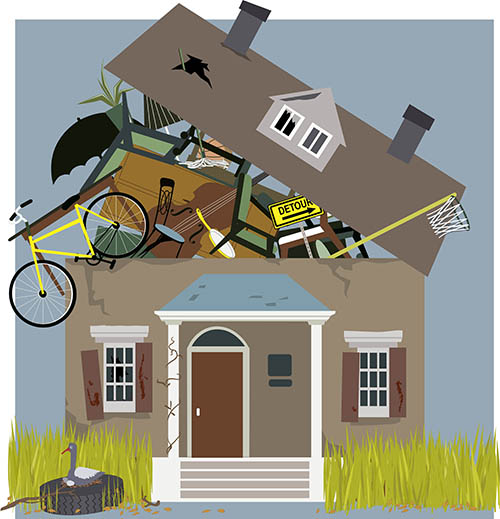
Hoarding
Biomedical Waste Disposal Conley
With years of experience in biohazard remediation across Georgia, the professionals at econbiohazard.com understand that biomedical waste disposal in Conley requires precision, compliance, and respect for both public health and environmental safety. Biomedical waste-including sharps, pathological materials, pharmaceutical waste, and contaminated medical equipment-poses serious health risks if mishandled. This guide walks you through the essential steps for proper biomedical waste disposal, whether you're managing a medical facility, supporting a healthcare worker, or handling materials after a medical event. By following these protocols, you'll protect yourself, your community, and the environment while meeting OSHA and EPA standards that govern this critical process.
Step 1: Identify and Classify Your Biomedical Waste
The first and most important step in biomedical waste disposal in Conley is correctly identifying what type of waste you're handling. Biomedical waste falls into several categories: sharps (needles, scalpels, broken glass), pathological waste (human tissues, organs), pharmaceutical waste (expired medications, chemotherapy drugs), and infectious waste (blood-soaked materials, cultures). Proper classification determines how each material must be segregated, stored, and ultimately disposed. Misclassification can create legal liability and genuine safety hazards for anyone who handles the materials downstream.
Document what you have and its quantity. Keep records in case regulators or insurance representatives need verification. If you're uncertain about classification, contact a professional biohazard service-this is exactly the scenario where professional expertise prevents costly errors and ensures compliance.
Step 2: Use Approved Containers and Segregation
Once you've classified your waste, use EPA and OSHA-approved containers appropriate for each category. Sharps require rigid, leak-proof, puncture-resistant containers clearly labeled with the biohazard symbol. Pathological and infectious waste goes into leak-proof bags or containers marked with biohazard labels. Never mix categories-segregation is a foundational requirement in biomedical waste disposal practices. Proper segregation reduces disposal costs because facilities charge different rates for different waste types, and contaminated containers may require special handling that increases expenses significantly.
Store containers in a designated area away from public access and foot traffic. Temperature-controlled storage is ideal; most biomedical waste should be stored at temperatures below 50 degrees Fahrenheit if storage extends beyond 48 hours. Label everything clearly with the date, contents, and generator name. This documentation chain is essential for compliance verification.
Step 3: Arrange Professional Transportation and Disposal
Biomedical waste disposal in Conley and surrounding areas of Georgia requires licensed transportation to an authorized medical waste disposal facility. You cannot use standard trash pickup or municipal waste systems-federal and state regulations require specialized handling. Contact a licensed biomedical waste disposal service that maintains appropriate certifications and insurance coverage. The professionals at econbiohazard.com, serving statewide from Macon through Georgia's broader regions, can arrange or coordinate immediate pickup and ensure your waste reaches EPA-permitted treatment and disposal facilities.
Request documentation of proper disposal from your service provider. You'll receive manifests and certificates showing that your biomedical waste was incinerated, autoclaved, or chemically treated according to regulatory standards. Keep these records for at least three years; they protect you from future liability and demonstrate regulatory compliance if inspected.
Step 4: Decontaminate Affected Areas and Maintain Records
After biomedical waste removal, the area where materials were handled or stored must be thoroughly disinfected. Use EPA-approved hospital-grade disinfectants and follow manufacturer contact time requirements-typically 10 to 15 minutes of wet contact. Clean all surfaces, equipment, and containers that contacted biomedical waste. Personal protective equipment (gloves, gowns, masks, eye protection) must be worn during decontamination and disposed of as biomedical waste itself.
Maintain detailed records of your entire disposal process: initial waste identification, storage dates and locations, container types used, pickup dates, disposal facility name, treatment method, and final disposition. These records demonstrate due diligence and regulatory compliance. If your situation involved trauma, unattended death, or crime scene contamination, professional cleanup services like those provided by econbiohazard.com ensure that both visible and microscopic biological hazards are eliminated completely, and all documentation is handled with the precision and compassion your situation deserves.
What's the difference between biomedical waste and regular medical waste?
Biomedical waste is infectious or potentially infectious material-blood, body fluids, pathological tissues, and sharps-requiring specialized disposal. Regular medical waste includes packaging, non-contaminated materials, and administrative waste that can enter standard disposal streams. Confusing the two creates regulatory violations and safety risks for sanitation workers and the public.
How long can I store biomedical waste before disposal in Conley?
Georgia regulations and OSHA standards generally allow storage for up to 30 days in a temperature-controlled area below 50 degrees Fahrenheit, or 48 hours at room temperature. Shorter storage periods-ideally 7 to 14 days-reduce odor, pest attraction, and decomposition issues. If you're managing waste from a death or biohazard event, immediate professional removal is recommended to prevent environmental and safety complications.
Can I dispose of biomedical waste in a regular dumpster or landfill?
No. Federal EPA and state Georgia regulations prohibit biomedical waste from entering municipal solid waste systems or landfills. Violation carries substantial fines and potential criminal charges. All infectious or potentially infectious biomedical waste must go to licensed medical waste treatment facilities for incineration, autoclaving, or chemical treatment. Using a licensed professional service eliminates this liability entirely.
Frequently Asked Questions
What's the difference between biomedical waste and regular medical waste?
Biomedical waste is infectious or potentially infectious material-blood, body fluids, pathological tissues, and sharps-requiring specialized disposal. Regular medical waste includes packaging, non-contaminated materials, and administrative waste that can enter standard disposal streams. Confusing the two creates regulatory violations and safety risks for sanitation workers and the public.
How long can I store biomedical waste before disposal in Conley?
Georgia regulations and OSHA standards generally allow storage for up to 30 days in a temperature-controlled area below 50 degrees Fahrenheit, or 48 hours at room temperature. Shorter storage periods-ideally 7 to 14 days-reduce odor, pest attraction, and decomposition issues. If you're managing waste from a death or biohazard event, immediate professional removal is recommended to prevent environmental and safety complications.
Can I dispose of biomedical waste in a regular dumpster or landfill?
No. Federal EPA and state Georgia regulations prohibit biomedical waste from entering municipal solid waste systems or landfills. Violation carries substantial fines and potential criminal charges. All infectious or potentially infectious biomedical waste must go to licensed medical waste treatment facilities for incineration, autoclaving, or chemical treatment. Using a licensed professional service eliminates this liability entirely.