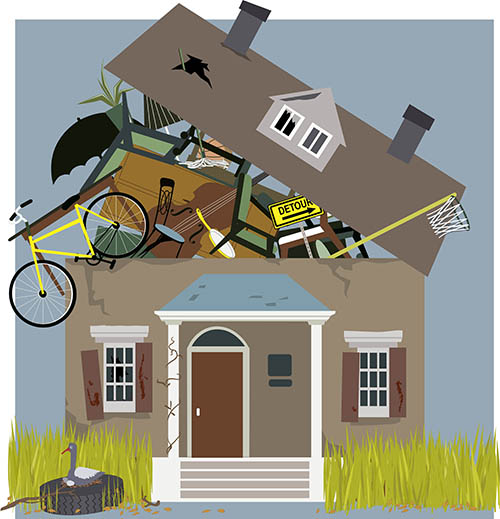
Hoarding
Biomedical Waste Disposal Florida
Biomedical waste disposal Florida requires adherence to strict regulatory standards established by the Florida Department of Environmental Protection (FDEP) and OSHA guidelines. Whether you're managing a medical facility, dental practice, laboratory, or handling biohazardous materials from a residential situation, understanding the proper disposal methodology is essential for environmental safety, public health protection, and legal compliance. This guide walks you through each critical step of the biomedical waste disposal process, ensuring you handle potentially infectious or hazardous materials correctly. By following these procedures, you'll protect yourself, your staff, and your community while maintaining full regulatory compliance.
Step 1: Identify and Classify Your Biomedical Waste
The foundation of proper biomedical waste disposal Florida begins with accurate waste classification. Biomedical waste encompasses several distinct categories: pathological waste (human tissues, organs, body parts), infectious waste (contaminated materials from patients with infectious diseases), sharps (needles, scalpels, broken glass), pharmaceutical waste (expired or unused medications), and chemical waste (disinfectants, laboratory reagents). Each category requires different handling protocols and containment methods. Take time to examine your waste stream and categorize materials according to their biohazard level. This classification determines which containers you'll use, what labeling is required, and ultimately how the waste must be processed.
Documentation is critical at this stage. Create an inventory system that tracks waste type, volume, and generation date. This record-keeping serves dual purposes: it demonstrates your compliance efforts to regulatory bodies and helps you plan for appropriate disposal scheduling. If you're uncertain about how to classify specific materials in your waste stream, consulting with a professional biohazard remediation service ensures accuracy and prevents costly compliance violations.
Step 2: Segregate Waste at the Point of Generation
Segregation means separating different waste types immediately when they're generated, rather than mixing everything together. This practice is mandated under Florida biomedical waste regulations and significantly impacts the final disposal cost and environmental impact. Use color-coded or labeled containers positioned at each work station where waste is produced. Red bags are typically reserved for infectious waste, yellow for pathological and pharmaceutical waste, and rigid puncture-resistant sharps containers for needles and lancets. Black bags contain non-hazardous medical waste. By segregating at the point of generation, you prevent cross-contamination, reduce the volume of waste requiring special handling, and streamline the disposal process.
Proper segregation also protects your staff. Workers handling waste are at lowest risk when hazardous materials are clearly separated and appropriately contained. Train all personnel on your segregation protocol and enforce it consistently. Improper segregation creates liability and can result in regulatory penalties. Document your segregation procedures in writing and review them regularly to ensure ongoing compliance throughout your facility or operation.
Step 3: Use Approved Containers and Packaging
Biomedical waste disposal Florida requires the use of containers meeting specific standards. Sharps must go into rigid, puncture-resistant containers labeled with the biohazard symbol and the word "SHARPS." These containers prevent needlestick injuries and are engineered to prevent contents from spilling during transport. Infectious and pathological waste goes into leak-proof bags (typically red or yellow) that can withstand the weight of the contents and normal handling without tearing. Bags should be placed in secondary containment if they show any signs of damage or leakage.
Container capacity matters-never fill bags or sharps containers beyond their recommended limit, typically 75 percent full. Overfilled containers compromise containment integrity and create spills during transport. All containers must be labeled with the biohazard symbol, the word "BIOHAZARD," and include the date the waste was generated. If your facility generates biomedical waste regularly, establish a container management schedule that ensures full containers are removed promptly and never stored longer than necessary in your facility.
Step 4: Store Waste Temporarily in Designated Areas
Biomedical waste cannot be stored indefinitely before disposal. Florida regulations typically allow temporary storage for limited periods-generally not exceeding 30 days in ambient conditions, or 45 days if refrigerated storage is used. Your storage area must be secure, restricted to authorized personnel, and clearly marked with biohazard signage. The space should protect containers from environmental damage, weather exposure, and animal access. Temperature control may be necessary if waste is being held for extended periods; refrigerated storage prevents decomposition and odor development while maintaining waste integrity.
Documentation of your storage practices demonstrates regulatory compliance. Record when waste enters storage and when it's removed for disposal. Keep your storage area clean and orderly, conduct regular inspections for container integrity, and have a protocol for addressing any spills or contamination immediately. This proactive approach prevents cross-contamination within your storage facility and ensures waste remains properly contained until pickup.
Step 5: Arrange Professional Pickup and Transportation
Professional biomedical waste disposal Florida services handle the critical transportation phase. Licensed waste management companies use specialized vehicles with proper containment systems to transport your waste from your facility to an approved treatment facility. You cannot simply place biomedical waste in regular trash collection or transport it yourself without proper licensing and equipment. Contact an authorized medical waste disposal provider and establish a pickup schedule that aligns with your waste generation rate and storage capacity.
When arranging pickup, provide the disposal company with accurate information about your waste types and volumes. Request documentation of your waste pickup-a manifest or receipt confirming removal. This paper trail proves you've transferred responsibility for proper disposal to a licensed entity, protecting you from liability if the waste is mishandled after leaving your facility. Services like those provided by professional biohazard cleanup companies across Georgia understand these requirements thoroughly and can guide you through the selection of appropriate disposal partners.
Step 6: Ensure Treatment and Final Disposal Compliance
The final step occurs at the licensed treatment facility. Your waste undergoes processing appropriate to its classification-autoclaving (steam sterilization) for most infectious waste, chemical treatment for pharmaceutical waste, or other approved methods depending on the waste type. Treatment renders the waste non-infectious and suitable for final disposal. Licensed facilities maintain documentation of all waste received, treated, and disposed of, creating a complete chain of custody.
Request confirmation from your disposal provider that your waste has been properly treated and disposed of. Obtain copies of treatment certificates or disposal manifests for your records. This documentation proves your facility complied with biomedical waste disposal Florida regulations throughout the entire process. Keep these records for the period specified by Florida regulations, typically several years, as they demonstrate your good-faith compliance efforts and protect you in the event of regulatory inquiries.
Proper biomedical waste disposal Florida isn't just a regulatory requirement-it's a critical public health responsibility that protects your community, staff, and environment from infectious disease transmission and environmental contamination.
When biomedical waste disposal extends beyond your facility's capabilities-particularly following traumatic events, unattended deaths, or significant contamination situations-specialized services become necessary. Companies operating across Georgia and surrounding states, including those providing service in Macon and throughout Georgia, understand the intersection of proper waste management and trauma cleanup. They combine technical expertise in biohazard handling with compassionate service delivery, managing the complex decontamination and remediation process while you focus on recovery and healing.
Whether you're managing routine medical waste from an ongoing operation or addressing a one-time biohazard situation, these six steps establish the framework for compliant, safe, and responsible biomedical waste disposal. Consistency in following these procedures protects everyone involved and demonstrates your commitment to regulatory compliance and environmental stewardship.
Frequently Asked Questions
What types of waste qualify as biomedical waste in Florida?
Biomedical waste includes pathological waste (human tissues and organs), infectious waste (contaminated materials from patients with contagious diseases), sharps (needles and broken glass), pharmaceutical waste (expired medications), and certain chemical waste. Each type requires different handling and containment based on its specific hazard level.
How long can I store biomedical waste before disposal?
Florida regulations generally allow temporary storage of biomedical waste for up to 30 days in ambient conditions or 45 days if the waste is refrigerated to prevent decomposition. Storage must occur in a secure, designated area marked with biohazard signage and restricted to authorized personnel only.
Can I dispose of biomedical waste in regular trash?
No, biomedical waste cannot be placed in regular trash collection under any circumstances. All biomedical waste must be transported by licensed medical waste disposal companies and processed at approved treatment facilities. Improper disposal violates Florida law and creates serious public health and environmental risks.
What should I do if a biomedical waste container is damaged or leaking?
Place the damaged container in a secondary containment vessel immediately to prevent further spread of contamination. Document the incident, notify your waste disposal provider, and ensure the area is cleaned and disinfected. Report the incident to your supervisor or facility manager as part of your compliance and safety protocols.
What records do I need to keep for biomedical waste disposal?
Maintain documentation including waste generation dates, container types and volumes, pickup dates, and disposal manifests or certificates confirming treatment. These records typically must be retained for several years and demonstrate your facility's compliance with Florida biomedical waste regulations throughout the entire disposal chain.