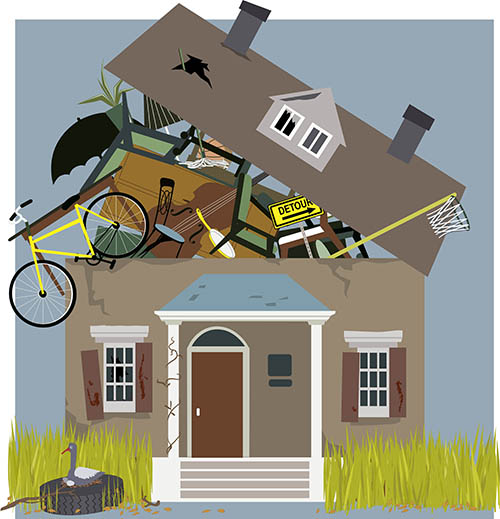
Hoarding
Hoarding Cleanup Service Cataula
When a property becomes overwhelmed by accumulated items, clutter, and biohazard conditions, specialized intervention becomes necessary. A hoarding cleanup service Cataula residents can trust requires more than basic junk removal-it demands technical expertise in biohazard remediation, compassionate handling of sensitive situations, and adherence to strict regulatory standards. Econ Biohazard Services provides comprehensive hoarding cleanup throughout Georgia, including Macon and surrounding areas, with the industrial-grade protocols and 24/7 response capabilities that families and property managers need when facing these complex challenges.
What Makes Hoarding Situations Different from Standard Cleanup?
Hoarding environments present distinct hazards that standard cleaning services are not equipped to handle. Unlike routine janitorial work, hoarding cleanup involves potential exposure to biohazardous materials including mold colonies, rodent droppings, decomposing organic matter, bloodborne pathogens, and bacterial contamination spread across cluttered surfaces. The structural integrity of properties is often compromised-flooring may be weakened, ventilation systems clogged, and pest infestations established throughout walls and substructures.
A professional hoarding cleanup service Cataula operation must conduct a thorough assessment before work begins. This assessment identifies:
- Presence and extent of mold growth (typically requiring air quality testing)
- Animal waste and pest infestation severity
- Biohazardous materials requiring specialized disposal
- Structural damage and necessary remediation beyond cleanup
- Compliance requirements under OSHA and EPA guidelines
Standard cleaning crews lack the protective equipment, training, and legal authority to handle these conditions. This is why insurance carriers, property managers, and families turn to licensed biohazard specialists rather than general contractors.
What Is the Step-by-Step Process for Hoarding Cleanup?
Professional hoarding remediation follows a systematic methodology designed to restore safety, functionality, and habitability. The process typically unfolds across five major phases, each with specific technical requirements.
Phase One: Assessment and Documentation involves detailed inspection and photographic documentation of all affected areas. Technicians identify biohazard levels, estimate material volumes, and determine necessary protective equipment specifications. This phase informs the entire project scope and regulatory compliance strategy.
Phase Two: Personal Protective Equipment Setup and Containment requires technicians to don appropriate PPE based on identified hazards. This may include respiratory protection (HEPA-filtered respirators for mold-heavy environments), full-body suits, chemical-resistant gloves, and footwear. Containment barriers are established to prevent cross-contamination to unaffected areas.
Phase Three: Removal and Segregation categorizes materials into salvageable items, general waste, and biohazardous waste requiring specialized disposal. Biohazardous materials-including items contaminated with bodily fluids, feces, or pathogenic mold-are placed in clearly marked, sealed containers for incineration or approved medical waste disposal. General waste is disposed through standard municipal channels. Items suitable for donation or recycling are temporarily staged for appropriate handling.
Phase Four: Deep Cleaning and Decontamination applies EPA and OSHA-compliant disinfectants to all surfaces, using equipment calibrated for proper contact time and concentration. High-touch surfaces, flooring, and structural elements receive specialized treatment. For mold-contaminated areas, abatement may require removal of porous materials like drywall or carpet that cannot be adequately decontaminated.
Phase Five: Final Verification and Documentation confirms that biohazard conditions have been eliminated and regulatory standards met. Verification may include air quality testing for mold spores, surface swabs for bacterial confirmation, or visual inspection protocols depending on contamination type.
How Does Insurance Coverage Work for Hoarding Cleanup?
Property owners frequently ask whether insurance carriers will cover hoarding cleanup expenses. The answer depends on the underlying cause of the hoarding situation and the specific insurance policy language.
Insurance may cover hoarding cleanup when the underlying event is an insured peril-for example, if biohazardous conditions resulted from a death on the property, medical emergency, or pest infestation triggered by a covered loss. Many homeowner and commercial policies include biohazard remediation as part of property damage coverage. However, hoarding cleanup driven purely by behavioral accumulation without an insured triggering event typically falls outside standard coverage.
This is where professional guidance becomes valuable. Econ Biohazard Services, serving Georgia statewide with particular emphasis on Macon and surrounding areas, assists clients in navigating insurance claims by providing detailed documentation that insurers require. Technicians generate comprehensive reports detailing biohazard conditions, remediation protocols, and material disposal-documentation that claims adjusters use to make coverage determinations. By handling the insurance interface directly, professional services accelerate reimbursement and reduce administrative burden on already-stressed property owners.
What Health and Safety Risks Are Present in Hoarding Environments?
The health implications of accumulated hoarding extend beyond immediate visible hazards. Extended exposure to hoarding environments creates documented risks including respiratory infections, fungal colonization of the lungs, gastrointestinal illness from bacterial exposure, and psychological distress from the overwhelming nature of contamination.
Mold exposure in hoarding situations is particularly significant. Accumulation patterns in hoarded properties-poor ventilation, moisture retention, organic material breakdown-create ideal conditions for toxic mold species including Stachybotrys (black mold) and Aspergillus strains. Prolonged inhalation can trigger chronic respiratory symptoms, immunosuppression, and in vulnerable populations, serious infection.
Rodent and insect infestation in hoarding environments amplifies disease transmission vectors. Rodent droppings shed hantavirus; tick colonies transmit Lyme disease and babesiosis; cockroach infestations spread salmonella and e. coli. These pathogens persist on surfaces and in dust long after visible pests are removed, requiring rigorous biohazard decontamination rather than pest control alone.
Additionally, hoarding environments frequently involve immobility hazards-blocked exits, collapsed furniture, unstable stacks-that prevent emergency response. First responders entering such properties face risks from sharp objects, infectious materials, and structural collapse. Professional cleanup eliminates these dangers systematically.
Why Is Professional Remediation Essential Rather Than DIY Cleanup?
Property owners sometimes underestimate the complexity of hoarding cleanup, believing standard cleaning supplies and personal effort will suffice. This approach creates serious health consequences and legal liability.
Without proper respiratory protection, individuals working in mold-heavy hoarding environments inhale spores at concentrations that exceed OSHA permissible exposure limits. Without understanding cross-contamination principles, DIY cleanup spreads pathogens throughout uncontaminated areas via clothing, skin, and equipment. Without hazardous waste licensing, improperly disposed biohazardous materials create environmental violations and health department liability.
A hoarding cleanup service Cataula operates within established regulatory frameworks specifically because amateur cleanup creates both personal health risk and legal exposure. Licensed professionals carry appropriate insurance, follow EPA and OSHA protocols, document their work for regulatory verification, and assume liability for proper disposal. They possess the technical training to distinguish between items requiring specialized disposal and standard waste, preventing costly compliance violations.
For property managers dealing with tenant-vacated hoarded units, professional remediation becomes essential before new occupancy. For families addressing a loved one's property, professional cleanup preserves health while respecting the sensitive circumstances. For insurance claims, professional documentation supports claim approval and potential reimbursement.
What Should You Expect from the Initial Consultation?
When contacting a professional hoarding cleanup provider, the initial consultation establishes scope, timeline, and cost framework. Reputable services conduct thorough phone or in-person assessments rather than providing quotes based on property size alone, because biohazard severity varies dramatically between properties.
During consultation, technicians ask about the contamination source (animal infestation, death, medical emergency, chronic accumulation), duration of the situation, presence of hazardous materials, and access constraints. They explain the assessment process, remediation methodology, regulatory compliance measures, and timeline expectations. They discuss insurance possibilities and documentation they will provide for claims.
The consultation also establishes communication protocols and ensures property owners understand that biohazard cleanup differs fundamentally from standard junk removal. Professional services clarify that comprehensive remediation takes longer than aesthetic cleanup-sometimes several days depending on contamination extent-because thorough decontamination cannot be rushed without sacrificing health and safety standards.
| Service Component | Typical Scope |
|---|---|
| Assessment and Documentation | Detailed inspection, photographic records, biohazard categorization |
| Material Removal | Segregation of waste streams, biohazardous materials isolation |
| Decontamination | EPA-compliant disinfection, mold abatement where necessary |
| Disposal Coordination | Licensed medical waste disposal, municipal waste processing |
| Verification and Documentation | Completion reports, insurance documentation, compliance verification |
Econ Biohazard Services responds to cleanup requests across Georgia within approximately 30 minutes to one hour, providing the rapid intervention that hoarding situations often require. Their 24/7 availability ensures that property owners, first responders, and family members can access professional help regardless of timing, and their comprehensive approach to biohazard remediation-from initial assessment through final verification-provides the technical expertise and regulatory compliance that these complex situations demand.
Frequently Asked Questions
How quickly can a hoarding cleanup service respond in Cataula?
Professional biohazard cleanup services in the Cataula area typically respond within 30 minutes to one hour for emergency situations. Because hoarding environments present documented health hazards including mold, rodent contamination, and biohazardous materials, rapid response prevents ongoing exposure and enables faster property remediation. 24/7 availability ensures response capability regardless of timing.
What makes professional hoarding cleanup different from regular junk removal?
Professional hoarding cleanup addresses biohazard contamination including mold colonies, rodent droppings, decomposing organic matter, and bacterial pathogens-hazards that standard junk removal services are neither trained nor licensed to handle. This specialized work requires OSHA-compliant respiratory protection, EPA-approved disinfectants, and proper biohazardous waste disposal through licensed medical waste channels, not standard landfills.
Will my insurance cover the cost of hoarding cleanup?
Insurance coverage depends on the underlying cause of the hoarding situation and your specific policy language. If biohazardous conditions resulted from a covered peril such as a death, medical emergency, or pest infestation, claims may be approved under property damage or biohazard remediation coverage. Professional cleanup providers generate detailed documentation that insurers require for claim evaluation, improving approval likelihood.
Is it safe to attempt hoarding cleanup myself?
DIY hoarding cleanup creates serious health risks including mold inhalation at concentrations exceeding OSHA exposure limits, cross-contamination of unaffected areas, and improper disposal of biohazardous materials that violates environmental regulations. Without proper protective equipment, training, and regulatory compliance, personal cleanup endangers your health and creates legal liability. Professional remediation protects both health and legal standing.
How long does professional hoarding cleanup typically take?
Timeline depends on contamination extent, property size, and specific biohazard types present. Comprehensive remediation cannot be rushed-thorough decontamination of mold-contaminated surfaces, removal of biohazardous materials, and final verification may require several days. Professional services prioritize complete remediation over speed to ensure health and safety standards are met.
What happens to biohazardous materials during hoarding cleanup?
Biohazardous materials-including items contaminated with bodily fluids, feces, mold, or pathogens-are placed in sealed containers and transported to licensed medical waste facilities for incineration or approved disposal. Standard waste and recyclable materials are processed through appropriate municipal or recycling channels. This segregation ensures regulatory compliance and prevents pathogenic material from entering standard landfills.