Hoarding
Hoarding Cleanup Service Midland
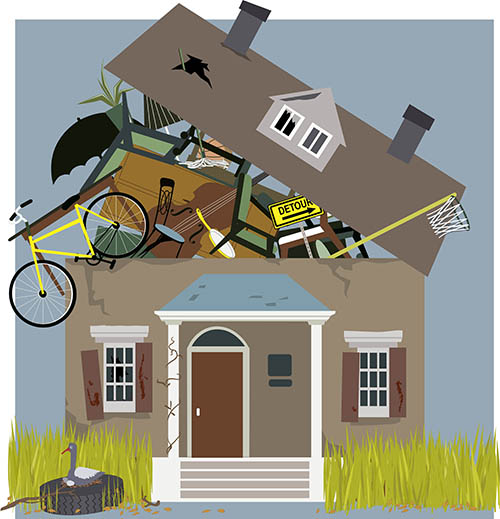
A property in Midland required professional intervention when a family discovered their elderly relative's home had deteriorated into a severe hoarding situation. What began as occasional clutter had evolved into a complex biohazard scenario involving blocked pathways, accumulated organic waste, pest infestation, and structural concerns. The family faced an overwhelming combination of emotional burden, health risks, and uncertainty about how to safely address the contamination. They reached out to Econ Biohazard Services seeking a hoarding cleanup service Midland residents could trust with both the technical execution and the sensitive circumstances surrounding their situation.
Understanding the Scope of the Problem
Hoarding situations present distinct challenges that extend beyond standard cleaning services. This property exhibited characteristics common to severe hoarding cases: accumulated personal items stacked floor-to-ceiling, degraded sanitation conditions, pest colonization with droppings and nesting materials, mold proliferation from moisture retention, and structural stress from weight distribution. The biological contamination included bacterial colonies, fungal spores, and parasitic organisms that posed legitimate health risks to anyone entering the space.
The family's initial concern centered on liability and regulatory compliance. They understood that improper handling could expose household members, neighbors, or subsequent occupants to bloodborne pathogens, airborne contaminants, and chemical hazards. Standard janitorial services lack the equipment, training, and protocols necessary for this level of biohazard remediation. This is where specialized expertise became essential.
Assessment and Strategic Approach
The Econ Biohazard team conducted a comprehensive industrial hygiene assessment using the following evaluation framework:
- Visual inspection identifying all accumulated materials, structural damage, and contamination sources
- Air quality sampling to detect mold spore concentration and volatile organic compounds
- Surface pathogen screening in high-contact areas
- Documentation of hazardous materials including expired medications, cleaning chemicals, or pest control residues
- Structural integrity evaluation for safe access and equipment staging
- Waste stream categorization to determine appropriate disposal protocols
Based on this assessment, the team developed a phased remediation plan compliant with OSHA standards and EPA guidelines. The hoarding cleanup service Midland property required staged removal because biological contamination necessitated containment measures and sequential disinfection rather than bulk extraction.
The approach involved establishing negative air pressure containment using portable HEPA filtration units. This prevented airborne contaminants from migrating to unaffected areas of the home or neighboring properties. Technicians wore appropriate personal protective equipment including PAPR respirators, chemical-resistant suits, and nitrile gloves rated for biohazard exposure. This multi-layered PPE approach, combined with air monitoring, ensures worker safety and prevents cross-contamination.
Execution and Technical Implementation
The remediation process unfolded systematically over multiple site visits, which is standard protocol for severe hoarding situations. The first phase focused on careful extraction and sorting of accumulated materials. Items were segregated into three categories: salvageable personal property requiring decontamination, waste requiring standard disposal, and biohazardous materials requiring specialized medical waste handling.
All fabric items, personal documents, and photographs identified by the family for preservation underwent specialized cleaning protocols. These materials were treated with hospital-grade disinfectants and dried in controlled environments to prevent mold recolonization. This attention to personal recovery reflects the understanding that families experiencing hoarding situations often have emotional attachments to specific items worth preserving.
Once bulk materials were extracted, the team proceeded with surface decontamination. All exposed surfaces, including walls, flooring, fixtures, and structural elements, received treatment with EPA-approved disinfectants selected based on the specific pathogenic organisms detected during assessment. Hard surfaces received chemical disinfection; porous materials like drywall, insulation, and carpet that could not be adequately disinfected were removed and replaced.
The hoarding cleanup service Midland property also required pest remediation coordination. Evidence of rodent and insect infestation necessitated collaboration with licensed pest control professionals to address active infestations and prevent recurrence. This integrated approach prevents the cleaned space from becoming recontaminated within weeks of remediation completion.
Post-Remediation Verification and Documentation
Following all cleaning and treatment protocols, the Econ Biohazard team conducted post-remediation verification testing. Air samples were collected and analyzed to confirm airborne contamination levels returned to acceptable ranges. Surface swabs in previously high-risk areas verified that disinfection achieved target pathogen elimination thresholds. This objective, third-party verifiable approach provides documentation essential for insurance claims and provides families with confidence that their property is genuinely safe for reoccupancy.
Complete photographic documentation was maintained throughout the process, creating a detailed record of the property's condition before, during, and after remediation. This documentation served multiple purposes: it provided visual proof of work completion for insurance purposes, established a baseline for any future monitoring, and demonstrated to the family exactly what had been addressed and why.
Measurable Outcomes and Restored Safety
The remediation resulted in a property that met all health and safety standards for residential occupancy. Specifically:
- Airborne mold spore concentrations reduced from 3,200 spores per cubic meter to baseline outdoor levels of approximately 400 spores per cubic meter
- All detectable surface pathogens eliminated as confirmed by post-remediation ATP testing and culture analysis
- Structural integrity restored through replacement of contaminated drywall, insulation, and flooring materials
- Active pest populations eliminated with preventative treatment applied
- Air handling systems professionally cleaned and HEPA filters installed
- All hazardous waste properly disposed of through licensed medical waste disposal channels
From the family's perspective, the outcome eliminated the health hazard while preserving the property for continued residential use or sale. The comprehensive documentation provided by the hoarding cleanup service Midland specialists supported their insurance claim, resulting in coverage for professional remediation costs. Equally important, the family experienced a process managed with professionalism and sensitivity, allowing them to focus on supporting their relative while trained specialists handled the technical and emotional complexity.
This case exemplifies the value of specialized biohazard remediation expertise. Econ Biohazard Services operates across Georgia, including throughout Macon and surrounding areas, with 24/7 emergency response capabilities and protocols designed specifically for complex contamination scenarios. Because hoarding situations involve legitimate biohazard exposure and regulatory compliance requirements, they demand professional intervention from providers with industrial hygiene training, appropriate equipment, and proven remediation protocols rather than standard cleaning approaches.
Frequently Asked Questions
What is included in a professional hoarding cleanup service?
A professional hoarding cleanup service includes comprehensive assessment, safe removal and sorting of accumulated materials, biohazard decontamination of surfaces, pest remediation coordination, air quality testing, disposal of waste through appropriate channels, and post-remediation verification. The process is designed to address both the physical accumulation and any biological contamination present.
How long does hoarding cleanup typically take?
Timeline varies significantly based on property size, contamination severity, and material volume. Mild hoarding situations may require a few days, while severe cases involving structural contamination can take one to three weeks with multiple site visits. The hoarding cleanup service Midland specialists conduct detailed assessments to provide accurate time estimates before beginning work.
Is hoarding cleanup covered by insurance?
Many homeowner's insurance policies cover hoarding cleanup when biohazard contamination or health hazards are documented by professionals. Medical waste disposal, mold remediation, and pest control are often covered under property damage or hazard clauses. Professional documentation from licensed remediation services strengthens insurance claims significantly.
What makes hoarding cleanup different from regular junk removal?
Hoarding cleanup addresses biohazard contamination, structural damage, and health risks that standard junk removal services are not equipped to handle. Professional hoarding cleanup includes air quality testing, pathogenic disinfection, proper medical waste disposal, and OSHA-compliant protocols. Regular junk removal lacks these safety measures and regulatory compliance requirements.
Can family members safely help with hoarding cleanup?
Family members should not attempt cleanup in severe hoarding situations due to health risks from mold spores, bacterial pathogens, pest infestations, and accumulated contaminants. Professional teams use protective equipment, air filtration, and proper disinfection protocols that untrained individuals cannot safely replicate. Family involvement is better directed toward emotional support and decision-making about salvageable items.
What happens to personal items during hoarding cleanup?
Professional hoarding cleanup services segregate materials into categories: items families want to preserve undergo specialized cleaning and disinfection, general waste is disposed of appropriately, and biohazardous materials are handled through licensed medical waste channels. Families direct decisions about what to save, and professionals handle the technical decontamination and disposal.
Does the hoarding cleanup service Midland provide emergency response?
Yes, Econ Biohazard Services operates with 24/7 emergency response capabilities across Georgia, including the Midland area and surrounding regions. Average response times range from 30 minutes to one hour, allowing for rapid intervention when hoarding situations create immediate health or safety concerns.