
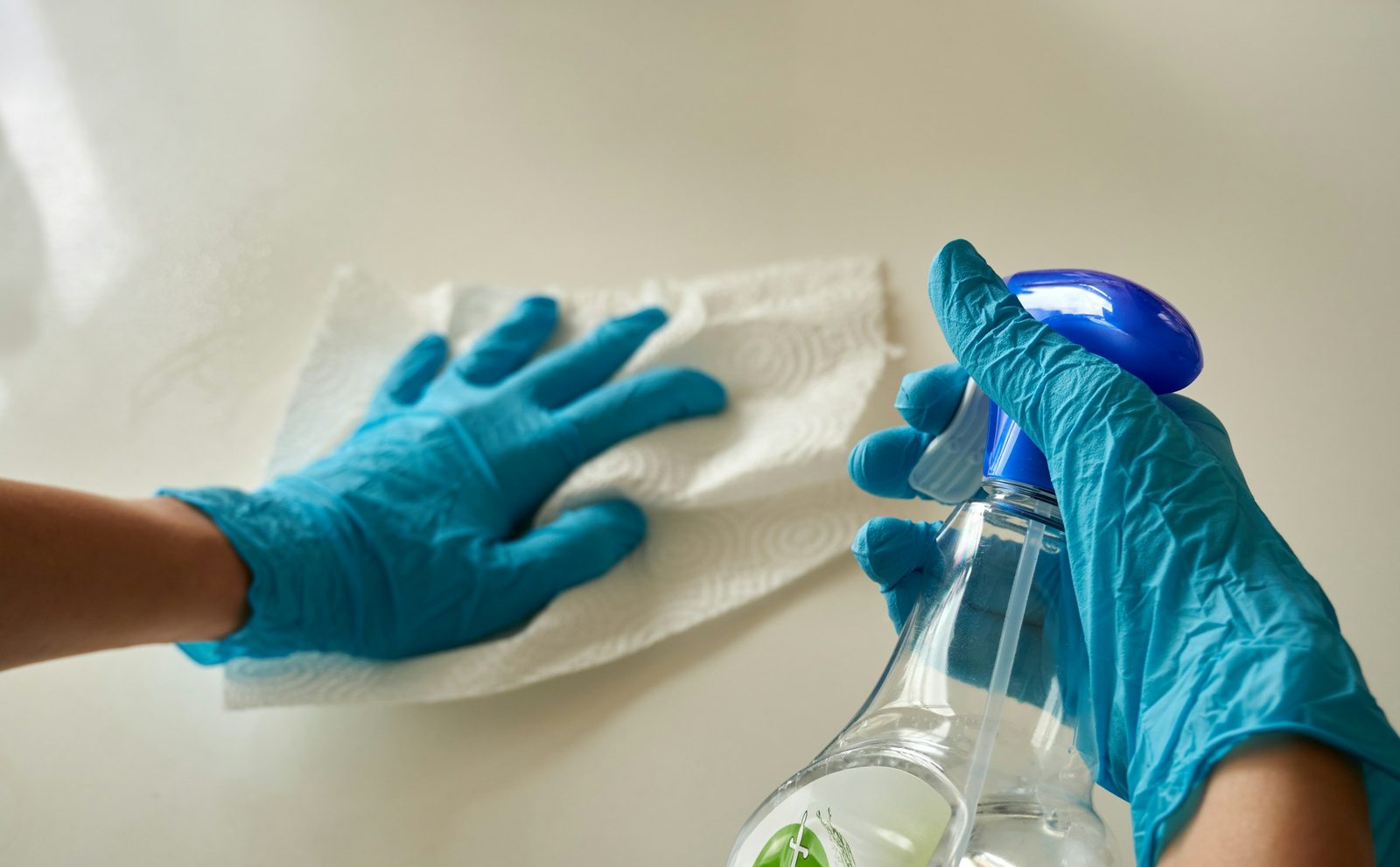
Nobody plans for it. A sewage line backs up into a finished basement. A landlord opens a rental after a tenant leaves and finds a bathroom nobody should have to see. A family member has been struggling at home, and the house shows it. Human waste cleanup is one of the calls people find hardest to make, partly because it feels embarrassing and partly because it seems like something you should be able to handle with a mop and bleach. In most of these situations, you shouldn’t. Here’s why, and what a proper cleanup involves.
Why human waste is treated as a biohazard
Human feces, urine and other bodily fluids can carry bacteria and viruses that make people seriously ill. Exposure to these fluids can spread germs through contact with skin, through small splashes, and through contaminated surfaces like door handles and light switches. When waste has soaked into flooring, drywall or furniture, the contamination goes well beyond what you can see.
That’s why professional biohazard teams treat human waste the same way they treat blood: with protective equipment, controlled cleaning steps, and proper disposal of anything that can’t be safely cleaned.
Situations where human waste cleanup is needed
We get called for human waste cleanup in a wide range of situations, including:
- Sewage backups in homes and businesses, especially in basements and lower-level bathrooms.
- Rental and foreclosure properties left in unsanitary condition, and filth removal at distressed properties.
- Hoarding situations, where waste may have built up over time.
- Unattended deaths, where bodily fluids are part of the scene.
- Illness or incontinence in a home where someone was unable to care for themselves.
- Vandalism in public restrooms, vehicles or commercial spaces.
Each one is different, but the risk to the people who live or work there is the same until the area is properly cleaned and disinfected.
Why bleach and a mop aren’t enough
Household cleaning can make a surface look clean while leaving contamination behind. A few reasons a DIY approach often falls short:
- Porous materials absorb waste. Carpet, padding, subfloor, drywall and upholstery can hold contamination deep inside. Surface cleaning doesn’t reach it, and the odor comes back.
- Cross-contamination is easy. Without a controlled setup, waste gets tracked through the house on shoes, tools and cleaning cloths.
- Exposure is real. Without the right gloves, eye protection and respiratory protection, the person cleaning is at risk.
- Disposal has rules. Contaminated materials need to be handled, packaged and disposed of properly, not just put out with the trash.
What a professional cleanup looks like
Our process is the same science-based approach we use on every biohazard job. You can read it in full on our steps page, but in short:
- Assessment. A complete walk-through and an OSHA-mandated safety hazard assessment of the area.
- Control and setup. The affected area is secured and separated from the rest of the property, following OSHA’s cross-contamination protocol.
- Removal. Contaminated material is removed, including flooring, drywall or furniture that can’t be saved, and packaged for proper disposal.
- Path of extraction. We clean the route in and out, including door knobs, railings and light switches.
- Clean, disinfect, deodorize. Surfaces are cleaned and disinfected with an EPA-rated disinfectant, and odors are treated, not covered up.
- Verify. We use ATP testing, a laboratory swab test, to confirm the area meets hospital-level disinfection standards.
Our technicians wear personal protective equipment throughout, and we follow OSHA and EPA biohazard cleaning regulations from start to finish.
Discretion matters
Human waste cleanup is often tied to something painful: a death, an illness, a family member in crisis, or a tenant situation that went badly. We understand that. Our crews arrive in discreet, unmarked vehicles, treat your home and belongings with respect, and keep your information confidential. Every technician is an Econ employee; we don’t send subcontractors.
What about cost and insurance?
The cost of a cleanup depends on the situation: how large the area is, what materials are affected and how much has to be removed. That’s why we come out, assess the scene and provide a no-obligation treatment plan rather than quoting blind.
Many of our services are covered by homeowners, renters or business insurance, and we can work directly with your insurance company and adjuster. Coverage depends on your policy and the cause, and no contractor can tell you in advance what your insurer will pay. If you don’t have insurance, ask us about payment plans, financing and hardship programs. The details are on our FAQ page.
Call us any time
If you’re facing a human waste cleanup at home, in a rental or at your business, you don’t have to deal with it alone. We have a live operator 24/7/365, and in most cities our average response time is 30 minutes to an hour. Learn more about our biohazard removal services, request a free estimate, or call (470) 380-3130.